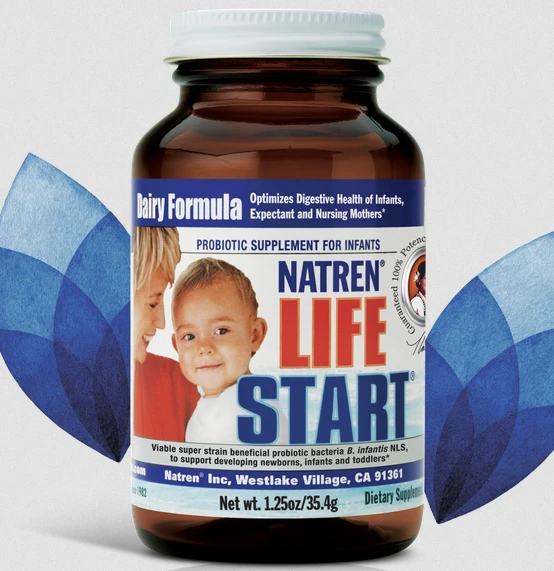

In recent years, the topic of probiotics for babies has gained significant traction among parents, pediatricians, and nutritionists alike. This growing interest can be attributed to an expanding body of research suggesting that introducing probiotics at an early age may confer a range of health benefits that support the developing immune system and digestive health of infants. As more parents seek natural ways to enhance their children's well-being, the exploration of probiotics has become an important conversation in child health and nutrition.
Understanding Probiotics and Their Benefits
To fully appreciate the impact of probiotics on babies, it's essential to understand what probiotics are. Probiotics are live microorganisms, primarily bacteria and yeasts, that provide health benefits when consumed in adequate amounts. They are often referred to as "good" or "friendly" bacteria due to their role in maintaining a healthy balance of gut flora. For infants, who are born with a sterile gut, the introduction of beneficial bacteria is crucial for developing a robust digestive and immune system.
Research has shown that probiotics can aid in digestion, help to prevent and treat diarrhea, and even alleviate symptoms of colic in infants. For instance, studies have indicated that specific strains of Lactobacillus and Bifidobacterium can significantly reduce the duration and severity of diarrhea, which is particularly important for babies who are more susceptible to dehydration. Additionally, the administration of probiotics has been linked to a decreased risk of eczema and allergies, providing an extra layer of protection during the formative years.
The Role of Gut Health in Infant Development
The gut microbiome plays a pivotal role in overall health, and this is especially true for babies. A balanced gut microbiome is essential not only for nutrient absorption but also for the maturation of the immune system. In the early stages of life, the gut is populated by bacteria from various sources, including the mother during birth and breastfeeding. This initial colonization is vital, as it sets the stage for a healthy gut flora that can influence a child's health for years to come.
Probiotics for babies can be an effective way to promote a healthy gut microbiome. By introducing beneficial bacteria, parents can help ensure that their baby’s intestines are populated with the right microorganisms that aid in digestion and bolster the immune response. The importance of this balance cannot be overstated; studies have shown that an imbalance in gut bacteria can lead to various health issues, including obesity, allergies, and gastrointestinal disorders later in life.
Probiotic Sources for Infants
When it comes to providing probiotics to babies, parents have several options. Breastfeeding is one of the most natural ways to introduce beneficial bacteria, as breast milk contains oligosaccharides that promote the growth of probiotics in the gut. For parents who cannot breastfeed, there are infant formula options that are fortified with probiotics, ensuring that babies still receive these beneficial microorganisms.
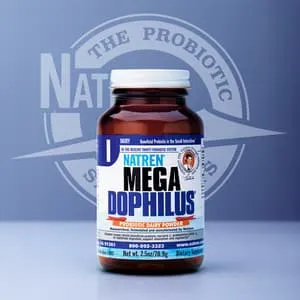
In addition to breast milk and specially formulated formulas, probiotic supplements specifically designed for infants are also available on the market. These supplements often come in powdered or liquid form and contain strains that have been studied for their safety and efficacy in babies. However, it is essential for parents to consult with a pediatrician before introducing any supplements to ensure they choose a product that is safe and suitable for their child's specific needs.
Considerations and Safety
As the interest in probiotics for babies continues to grow, it is crucial for parents to approach this topic with informed caution. While many studies support the benefits of probiotics, not all strains are created equal, and some may not be suitable for infants. Parents must pay attention to the specific strains included in probiotics, as some may be more effective than others for certain health conditions.
Moreover, the safety of probiotics in infants has been a topic of discussion among healthcare professionals. While most children can safely consume probiotics, those with underlying health conditions, such as immunodeficiency, should be monitored closely. Parents are encouraged to consult with healthcare providers to determine the best course of action for their babies, ensuring that any probiotics introduced are appropriate and beneficial.
The Future of Probiotics in Pediatric Health
As research into the health benefits of probiotics continues to evolve, the future of probiotics for babies appears promising. Ongoing studies are exploring the long-term effects of early probiotic exposure on health outcomes, including metabolic health, allergy prevention, and cognitive development. With the increasing recognition of the gut-brain connection, the implications of probiotics for mental and emotional well-being are also gaining attention.
Furthermore, as parents become more educated about the importance of gut health, the demand for natural and holistic approaches to infant care is likely to increase. This shift in parental attitudes may lead to more innovative products and strategies aimed at promoting healthy gut microbiomes in infants. The trend towards personalized nutrition could also play a significant role, as researchers work to understand how individual microbiomes respond to different probiotic strains.
In summary, the growing interest in probiotics for babies reflects a broader understanding of the crucial role gut health plays in overall well-being. As more families seek natural solutions to support their children’s health, probiotics stand out as a promising avenue worth exploring. By investing in their babies’ gut health from an early age, parents may be laying the foundation for a healthier future, one that embraces the power of beneficial bacteria. The journey into the world of probiotics is not just about addressing immediate health concerns but nurturing a lifelong commitment to health and wellness.



























Sign in to leave a comment.