
Maintaining overall wellness in adulthood requires a holistic approach—balanced nutrition, physical activity, mental health care, and a well-functioning digestive system. While diet and exercise are often emphasized, gut health plays a pivotal yet sometimes overlooked role. A thriving gut microbiome is linked to immune health, digestion, metabolism, and even mood regulation.
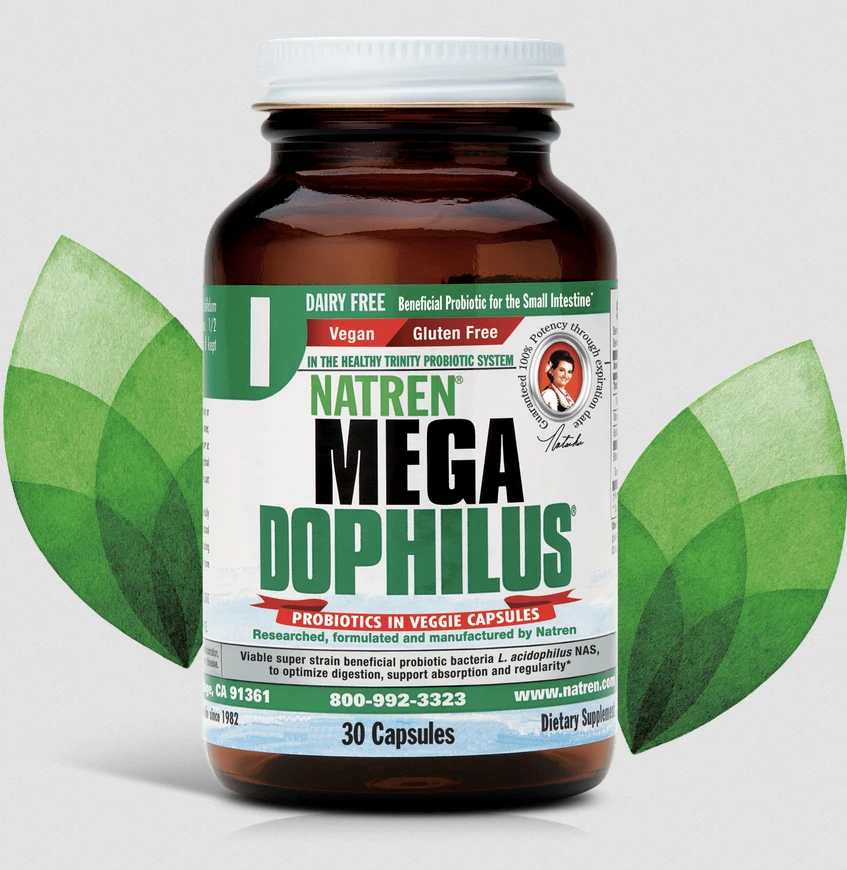
One way to support this internal ecosystem is through the use of probiotics—live microorganisms that, when consumed in adequate amounts, offer health benefits. As awareness grows, many adults are exploring how probiotics can enhance their well-being. However, with so many options available, choosing the right probiotic can feel overwhelming.
Understanding How Probiotics Work
Probiotics consist of beneficial bacteria and yeasts that help restore the natural balance of the gut microbiome. These organisms contribute to a range of bodily functions:
- Digestive support: They aid in breaking down food, absorbing nutrients, and reducing symptoms of bloating or irregularity.
- Immune regulation: A large portion of the immune system resides in the gut, and probiotics help in training immune cells to respond appropriately.
- Mood and cognition: The gut-brain axis is a communication network linking the gastrointestinal tract and the brain. A healthy microbiome may influence mood, anxiety, and cognitive function.
Probiotics are found in fermented foods like yogurt, kefir, sauerkraut, and miso. However, many adults choose supplements for convenience and targeted support.
Key Factors to Consider When Choosing a Probiotic
With a variety of strains, potencies, and formulations, it's essential to understand what makes a probiotic suitable for your specific needs. Here are some factors to consider:
1. Strain-Specific Benefits
Not all probiotics are created equal. The benefits of a probiotic depend on the specific strains it contains. For example:
- Lactobacillus acidophilus: May support digestion and nutrient absorption.
- Bifidobacterium longum: Commonly associated with improved immune function.
- Saccharomyces boulardii: A beneficial yeast often used to address diarrhea and gut inflammation.
Look for products that list both the species and strain (e.g., Lactobacillus rhamnosus GG) and match the strains to your wellness goals.
2. CFU Count (Colony Forming Units)
The CFU count refers to the number of viable microorganisms in a dose. For general adult wellness, probiotics ranging from 5 to 30 billion CFUs per day are common. Higher CFU counts may be beneficial for specific concerns like antibiotic recovery or gastrointestinal distress, but more isn’t always better.
3. Formulation and Delivery Method
Probiotics come in capsules, powders, tablets, gummies, and liquids. Choose a delivery method that suits your lifestyle and preferences. Some capsules are enteric-coated to protect probiotics from stomach acid, ensuring they reach the intestines intact.
4. Shelf Stability and Storage
Some probiotics require refrigeration, while others are shelf-stable. Stability is influenced by the strain, packaging, and storage conditions. Always check the expiration date and storage instructions to ensure potency.
5. Additives and Allergens
Read the label carefully for potential allergens such as dairy, gluten, or soy. Avoid unnecessary additives, artificial colors, or preservatives, especially if you have sensitivities.
Common Health Goals and Matching Probiotic Strains
Adults turn to probiotics for a variety of health concerns. Matching the right strain to your health goal increases the likelihood of positive outcomes.
Digestive Balance
If you're seeking support for digestion or occasional bloating, strains like Lactobacillus plantarum, Lactobacillus acidophilus, and Bifidobacterium lactis are commonly associated with gut comfort and regularity.
Immune Support
Adults with frequent colds or seasonal allergies may benefit from strains such as Bifidobacterium bifidum and Lactobacillus casei, which play a role in modulating immune responses.
Mental Well-being
The gut-brain axis suggests that gut health influences mood. Lactobacillus helveticus and Bifidobacterium longum are being researched for their potential to support emotional balance and reduce stress-related symptoms.
Post-Antibiotic Recovery
If you've recently taken antibiotics, probiotics with Saccharomyces boulardii and a mix of Lactobacillus and Bifidobacterium species may help replenish gut flora and prevent antibiotic-associated diarrhea.
Women’s Health
For vaginal and urinary tract health, strains like Lactobacillus reuteri and Lactobacillus rhamnosus may help maintain a balanced vaginal microbiome.
The Role of Prebiotics in Enhancing Probiotic Function
Prebiotics are non-digestible fibers that feed beneficial bacteria in the gut. While probiotics introduce new microorganisms, prebiotics help nourish the existing ones. Including prebiotics such as inulin, chicory root fiber, and fructooligosaccharides in your diet can improve probiotic effectiveness.
Many supplements now combine prebiotics and probiotics in a single formula, known as synbiotics. These can be especially helpful for adults looking to simplify their wellness routine.
Signs a Probiotic Is Working for You
After starting a new probiotic regimen, improvements may take anywhere from a few days to several weeks, depending on the individual and the health goal. Some positive signs include:
- More regular bowel movements
- Less bloating or abdominal discomfort
- Enhanced energy levels
- Fewer colds or infections
- Better mood or reduced anxiety
However, minor side effects like gas or mild digestive upset may occur initially. These typically resolve as your body adjusts.
Tips for Incorporating Probiotics into Daily Life
Adopting a probiotic routine doesn’t have to be complicated. Here are some ways to stay consistent:
- Take your probiotic like moringa capsules at the same time each day—preferably with food for better absorption.
- Pair supplements with a diet rich in fiber, fermented foods, and hydration.
- Track your symptoms in a journal to monitor changes and identify what works for you.
Myths About Probiotics: What You Should Know
Despite growing popularity, several misconceptions about probiotics persist:
- Myth: All probiotics are the same. Truth: Benefits vary greatly between strains.
- Myth: You should feel better instantly. Truth: Some people notice changes quickly, but for others, it takes time.
- Myth: Probiotics permanently change your gut flora. Truth: Most probiotics pass through the system and need regular intake to maintain benefits.
Being informed helps in setting realistic expectations and choosing the right product.
Final Thoughts on Adult Wellness and Probiotics
Navigating adult wellness involves making informed choices tailored to your lifestyle and needs. Probiotics can play a supportive role in digestive health, immunity, and emotional well-being. By understanding strain specificity, reading labels carefully, and integrating probiotics consistently, you can find an option that aligns with your wellness goals.
When searching for the best probiotics for adults, look beyond the label and focus on matching the strains and CFU count with your individual health priorities. With patience and consistency, probiotics can be a valuable addition to a comprehensive approach to adult wellness.





























Sign in to leave a comment.