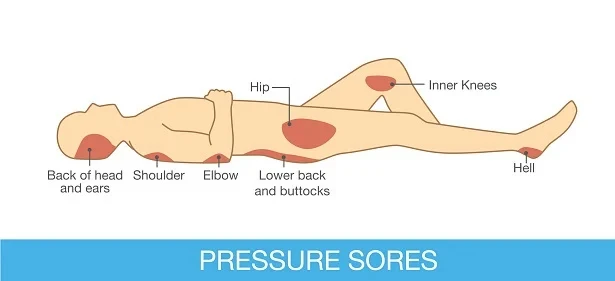

Pressure ulcers, also known as bedsores, are injuries to the skin and underlying tissue caused by prolonged pressure on the skin. They often develop in people who are bedridden, immobile, or have chronic health conditions. Understanding the risk factors for developing pressure ulcers is crucial to preventing them and ensuring timely care.
In this blog, we’ll walk you through the key factors that contribute to pressure ulcer development and how to reduce the risks through awareness and proactive care.
What Are Pressure Ulcers?
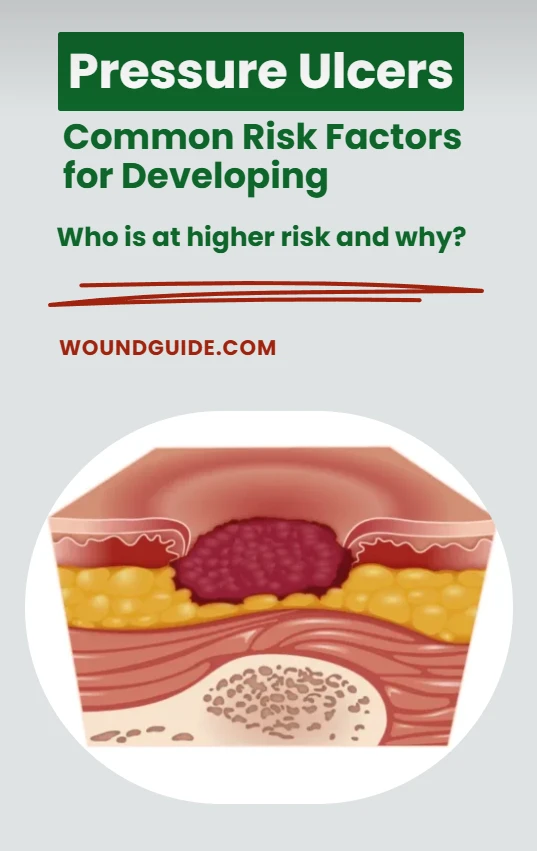
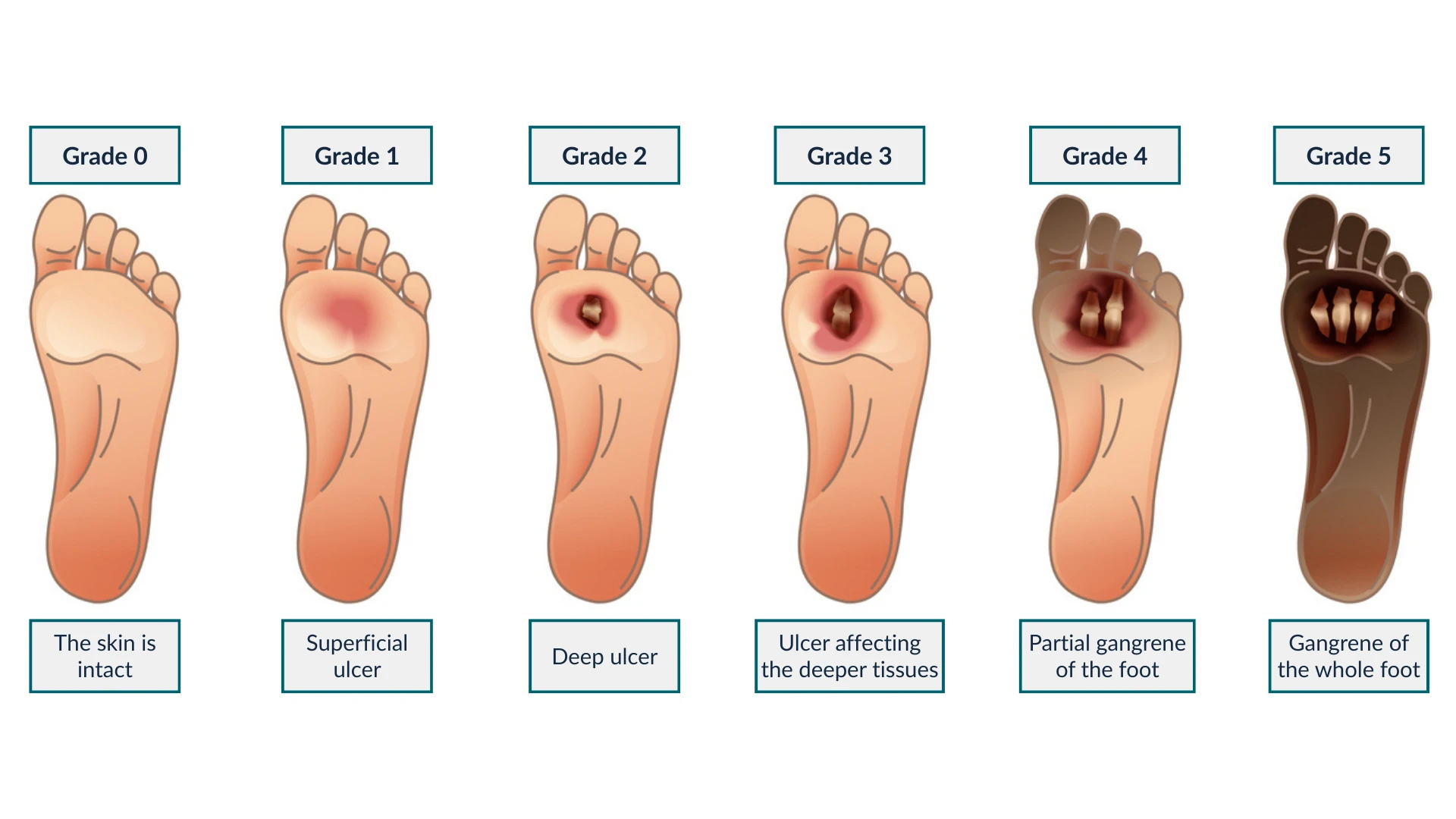
Pressure ulcers typically form on bony areas of the body such as the heels, hips, elbows, and tailbone. They begin as mild skin irritation but can progress to deep wounds that expose muscle or bone. These wounds not only cause severe discomfort but can also lead to infections, prolonged hospital stays, or worse, if left untreated.
Learn more about the causes of pressure ulcers
Key Risk Factors for Developing Pressure Ulcers
Many individuals are at risk of developing pressure ulcers, especially those with limited mobility or underlying health issues. Here’s a breakdown of the most common risk factors:
- Immobility: Individuals confined to beds or wheelchairs experience constant pressure on certain areas, limiting blood flow and causing skin breakdown.
- Age: Older adults have thinner, more fragile skin and reduced circulation, making them more vulnerable.
- Chronic Illnesses: Conditions such as diabetes, vascular disease, and neurological disorders impair wound healing and circulation.
- Malnutrition & Dehydration: Poor nutrition weakens skin integrity and slows the body’s healing process.
- Incontinence: Moisture from urine or feces can damage the skin and increase friction.
- Reduced Sensation: People with spinal cord injuries or nerve damage may not feel pressure or pain, leading to unnoticed sores.
- Obesity or Being Underweight: Both extremes increase pressure points or reduce cushioning over bony areas.
- Smoking: Reduces blood flow and oxygen delivery to the skin, impairing healing.
- Medical Devices: Oxygen masks, catheters, or casts that apply continuous pressure can also trigger ulcer formation.
👉 Want to visualize these risks better?
Check out our interactive Web Story:
Common Risk Factors For Developing Pressure - Wound Guide
Why It’s Important to Recognize the Risk Factors Early
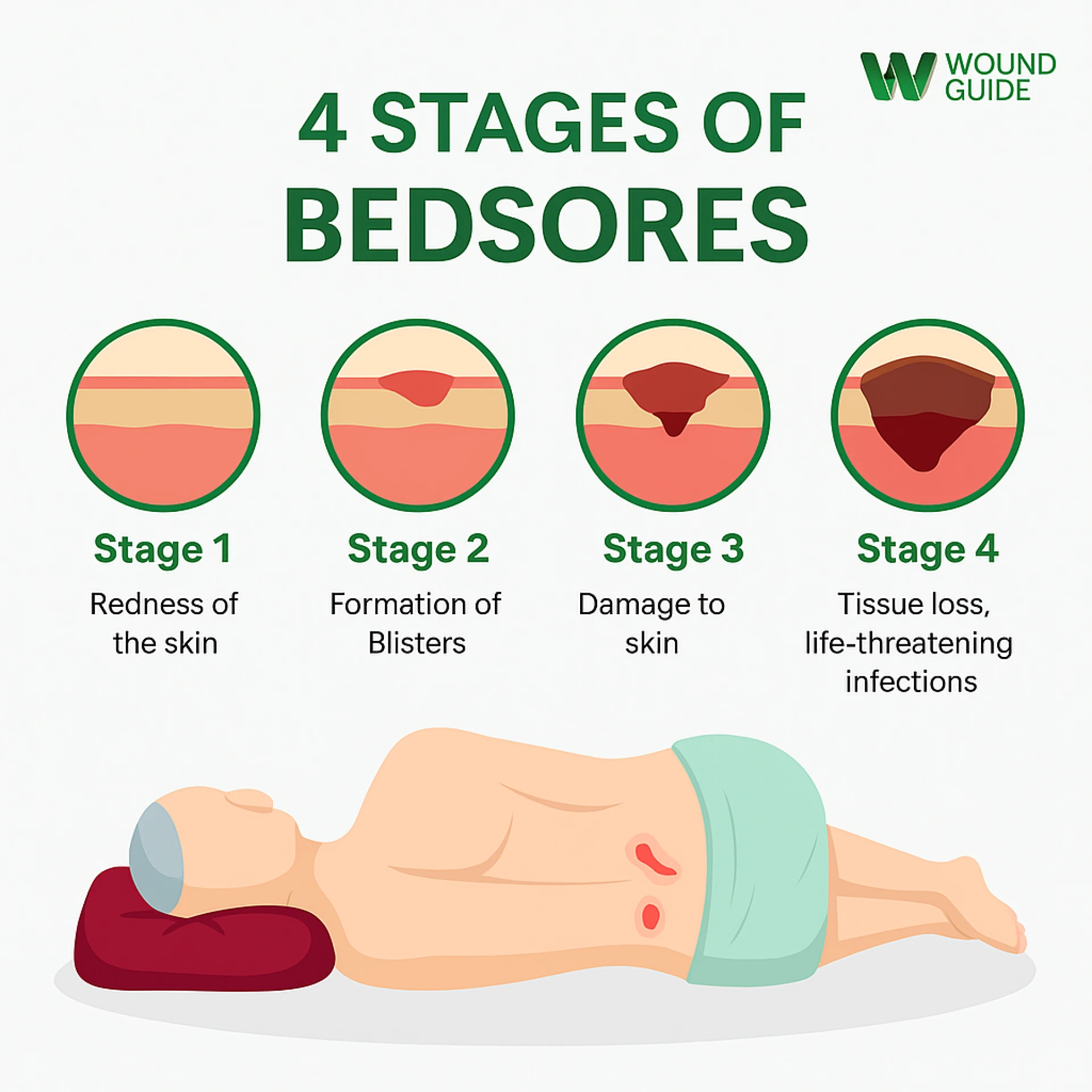
Pressure ulcers develop quickly — sometimes within hours. Recognizing early warning signs such as red, discolored, or warm skin is essential. Those at high risk require regular skin assessments, proper nutrition, frequent repositioning, and use of support surfaces like air mattresses or cushions.
Explore the stages of pressure ulcers and how to identify them early
Preventing Pressure Ulcers: A Team Effort
Preventing pressure ulcers involves patients, caregivers, and healthcare professionals working together. Simple steps like repositioning every two hours, maintaining hygiene, monitoring nutrition, and inspecting the skin daily can drastically reduce risk.
📝 Care Tip: Develop a personalized care plan for high-risk individuals — especially those with limited mobility or chronic health conditions.
Take Action Now
- 🚨 Curious about what causes pressure ulcers?
- 🩹 Want to identify pressure ulcers at different stages?
- 🔎 Interested in knowing if someone is at risk?
- 👉 Read our guide: Understanding Pressure Ulcers: Causes, Stages, and Risk Factors
By understanding and addressing the risk factors for developing pressure ulcers, we can prevent serious health complications and improve the quality of life for those most vulnerable. Embed this knowledge in everyday care — because prevention is always better than cure.


























Sign in to leave a comment.