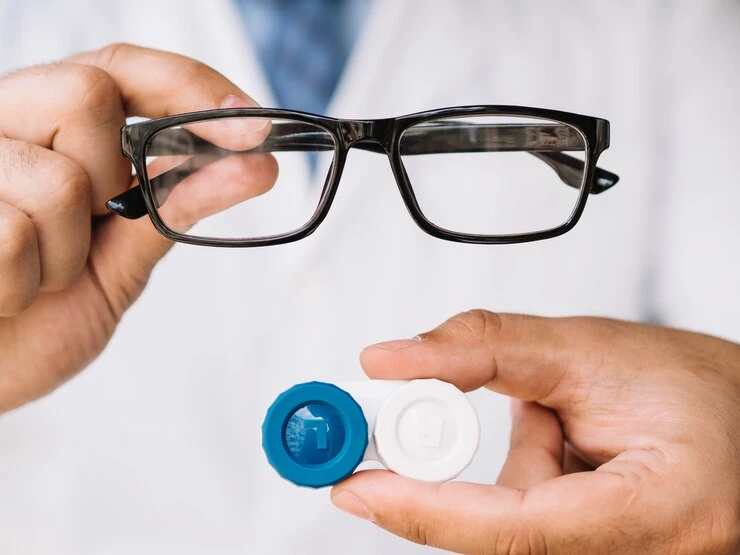
Clear and sharp vision is something many of us take for granted until we face challenges in seeing the world around us. Whether you're struggling with nearsightedness, farsightedness, or astigmatism, advanced lenses play a critical role in improving vision clarity. From contact lens exams to selecting the right eyeglasses and frames, understanding the choices available can empower you to make informed decisions.
This blog breaks down how advanced lenses help refine eyesight and what steps to take for better visual health.
How Advanced Lenses Improve Vision
The way we correct vision has come a long way. Traditional lenses addressed basic refractive errors, but advancements in lens technology now offer highly specialized solutions. These lenses are tailored to address individual needs, ensuring not only clarity but also comfort.
Key Features of Advanced Lenses:
- Precision Design: Modern lenses are crafted to align perfectly with your prescription, ensuring minimal distortion.
- UV Protection: Many lenses now include coatings that protect your eyes from harmful UV rays.
- Blue Light Filters: Designed to reduce eye strain caused by digital screens.
- Lightweight Materials: Advanced lenses are made of lightweight materials, making them ideal for comfortable everyday use.
Why Contact Lens Exams Are Essential
Before switching to contact lenses, you’ll need a specific contact lens exam. This exam is different from a standard eye check-up because it assesses more than just your vision needs. A contact lens exam ensures your lenses fit your unique eye shape and size, preventing discomfort and potential damage.
What Happens During a Contact Lens Exam:
- Measurement of Corneal Curve: This helps determine the correct lens size and shape.
- Tear Film Evaluation: Ensures that your eyes produce enough moisture to maintain lens comfort.
- Fitting and Trial: The optometrist will provide trial lenses to assess fit and clarity.
Pro Tip: Schedule contact lens exams annually to ensure your prescription and fit are up to date. This reduces the risks of discomfort or eye infections.
Types of Lenses for Vision Correction
Not all lenses are the same! Your choice depends on your lifestyle, vision needs, and preferences. Below, we compare different types of lenses to help you decide.
Exploring these options with your optometrist ensures you get lenses tailored to your specific needs.
Why a Perfect Contact Lens Fitting Matters
A proper contact lens fitting can make a huge difference in how your eyes feel throughout the day. Poorly fitted lenses can cause irritation, blurry vision, or even serious complications.
Benefits of a Professional Fitting:
- Prevents corneal damage
- Enhances overall comfort
- Reduces the chances of dry eyes
If you've struggled with discomfort in the past, ask your eye care provider to reassess your lenses' fit.
Quick Fact: Contact lenses now come in diverse options, including daily disposables and extended wear. Go for a fitting to determine what works best for your eyes and schedule.
Choosing the Right Eyeglasses and Frames
For those who prefer glasses over contact lenses, selecting the right eyeglasses and frames goes beyond aesthetics. Comfort, durability, and lens compatibility should all factor into your choice.
Tips for Selecting Eyeglasses:
- Frame Shape Matters: Oval frames work well for square-shaped faces, while round faces may benefit from rectangular frames.
- Material Options: Lightweight materials like titanium are both durable and comfortable.
- Lens Coatings: Anti-reflection and scratch-resistant coatings improve clarity and durability.
- Lifestyle Considerations: Active individuals may prefer flexible or sports-specific frames.
Remember, even the most advanced lenses won't deliver optimal benefits if the frames don't fit well.
Advanced Lens Technology for Specialized Needs
For individuals with unique vision needs, advanced technology continues to evolve. Consider the following specialized lens options:
- Progressive Lenses: A seamless solution for those with presbyopia, offering clear vision at multiple distances without visible lines on the lens.
- Custom Contact Lenses: Crafted for specific corneal shapes, these lenses provide superior fitting and comfort. They're particularly beneficial for patients with keratoconus or other corneal irregularities.
- Smart Lenses: These revolutionary lenses can adapt and change depending on light conditions, offering unmatched comfort and clarity.
Note: If you've recently been diagnosed with a specific vision condition, consult your optometrist about advanced lens options.
Common Misconceptions About Vision Correction
There are several myths surrounding eyewear and lenses. Here's the truth behind some common misconceptions:
- "Contact lenses are uncomfortable." Modern contact lenses are ultra-thin and designed for maximum comfort when fitted properly.
- "I don’t need contact lens exams if I already wear glasses." Not true. Contact lens exams evaluate the unique anatomy of your eye, something glasses can't replicate.
- "All eyeglasses lenses are the same." Lenses differ significantly in terms of coatings, materials, and technology.
Dispel myths with credible advice to protect your visual health.
Final Thoughts
Advanced lenses have revolutionized how we address common and complex vision challenges. From scheduling contact lens exams to choosing the right eyeglasses and frames, the choices available today cater to various needs and lifestyles. Understanding the options and seeking professional advice can improve your visual clarity and quality of life.
Learn more about the importance of regular eye exams and their role in maintaining overall health from New England College of Optometry.
Key Takeaways:
- Advanced lenses come in many forms, offering tailored solutions for vision problems.
- Annual contact lens exams ensure your prescription and fit are accurate and safe.
- A proper contact lens fitting minimizes discomfort and eye health issues.
- When selecting eyeglasses and frames, prioritize comfort, material, and coating options.
- Don’t shy away from exploring specialized lens technologies like progressives or smart lenses.
Pro Tip: Always consult with qualified professionals and prioritize annual eye exams to maintain optimal visual health. Healthy eyes lead to a better quality of life!
FAQs
Q1. Are contact lenses safer than eyeglasses?
Both are safe when used as directed. Contact lenses require strict hygiene practices, while glasses avoid direct eye contact.
Q2. Can progressive lenses cause dizziness?
Adjusting to progressive lenses might take a few days. If dizziness persists, ask your optometrist to recheck the fit and prescription.
Q3. How often should I replace my eyeglasses or lenses?
Regular check-ups every year ensure your prescription is accurate. Replace frames or lenses as needed for comfort and vision clarity.




























Sign in to leave a comment.