
As awareness of environmental sustainability and pollinator protection continues to grow, arborists and tree care professionals are adopting safer and more targeted pest management solutions. Traditional spraying methods used to control tree pests and diseases can unintentionally harm beneficial insects such as bees, butterflies, and other pollinators.
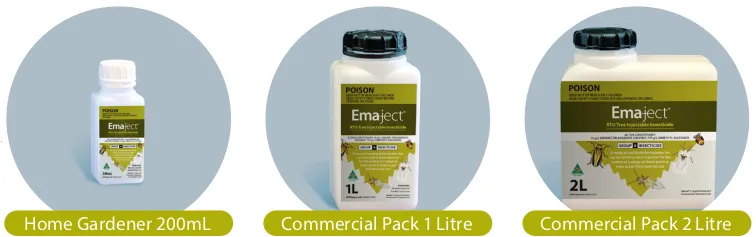
This has led to increasing demand for bee-safe tree injection methods — an advanced approach that protects trees from destructive pests while minimising environmental impact. One of the most talked-about innovations in this area is Ema-ject® RTU, a tree injectable insecticide designed to provide effective pest control with reduced risk to pollinators.
Why Pollinator Protection Matters
Pollinators play a vital role in maintaining healthy ecosystems. Bees, in particular, are responsible for pollinating many flowering plants, crops, and trees that support biodiversity and food production.
Unfortunately, pollinator populations worldwide are under pressure from:
- Habitat loss
- Climate change
- Chemical exposure
- Pests and diseases
- Environmental pollution
Traditional pesticide spraying methods can expose pollinators to harmful chemicals through:
- Airborne spray drift
- Contaminated nectar
- Pollen exposure
- Residues on nearby vegetation
As a result, arborists and environmental specialists are increasingly prioritising pest control solutions that reduce chemical exposure to non-target species.
What Is Tree Injection?
Tree injection is a specialised treatment method that delivers products directly into a tree’s vascular system. Instead of spraying pesticides externally, arborists inject measured doses of treatment into the trunk of the tree.
Once injected, the tree naturally transports the treatment internally through its vascular tissues.
Tree injections are commonly used for:
- Pest management
- Disease treatment
- Nutrient supplementation
- Fungicide applications
- Long-term tree health protection
Because the treatment remains largely inside the tree, environmental contamination is significantly reduced compared to traditional spraying methods.
The Science Behind Tree Vascular Systems
Understanding tree biology helps explain why injection methods are considered safer for bees and other pollinators.
The Role of Xylem and Phloem
Trees contain two major vascular transport systems:
- Xylem
- Phloem
The xylem moves water and dissolved nutrients upward from the roots to the canopy, while the phloem distributes sugars and nutrients throughout the tree.
Most injectable treatments are introduced into the xylem system. As the tree continues its natural water movement process, the treatment spreads internally to leaves, branches, and other tissues.
This targeted delivery system reduces the need for widespread chemical application across the surrounding environment.
Systemic Distribution Within the Tree
Injected products become systemic, meaning they move through the internal vascular pathways of the tree.
This allows the treatment to:
- Reach feeding insects hidden within foliage
- Protect the entire canopy
- Treat vascular diseases
- Deliver nutrients efficiently
Because the active ingredients are contained within the tree itself, exposure to surrounding plants and pollinators is greatly minimised.
How Bee-Safe Tree Injection Methods Reduce Environmental Risk
Bee-safe injection methods are specifically designed to reduce the pathways through which pollinators encounter harmful chemicals.
Reduced Spray Drift
Traditional pesticide spraying can allow chemicals to drift through the air onto flowers, gardens, and nearby vegetation.
Tree injection eliminates airborne spray drift entirely because the treatment is delivered directly into the trunk.
Lower Nectar and Pollen Contamination
One of the biggest concerns with conventional pesticides is contamination of nectar and pollen collected by bees.
Certain modern injectable formulations are designed to avoid movement into floral tissues, significantly reducing pollinator exposure.
Targeted Application
Tree injection focuses treatment only on the affected tree rather than treating entire landscapes.
This precision reduces:
- Chemical overuse
- Environmental contamination
- Soil exposure
- Waterway runoff
Reduced Impact on Beneficial Insects
Bee-safe tree injections help protect beneficial insects such as:
- Honey bees
- Native bees
- Butterflies
- Ladybirds
- Predatory insects
This supports healthier urban ecosystems and biodiversity.
Understanding Ema-ject® RTU Tree Injection Technology
One of the leading examples of bee-safe tree injection technology in Australia is Ema-ject® RTU Tree Injectable Insecticide.
According to Elmsavers, Ema-ject® is Australia’s only registered injectable form of emamectin benzoate and was developed specifically for direct tree injection applications.
What Makes Ema-ject® Different?
Unlike traditional neonicotinoid-based products, Ema-ject® RTU uses a water-soluble emamectin benzoate formulation designed for internal tree delivery.
Research and residue studies referenced by Elmsavers found no detectable residues in buds, nectar, pollen, seeds, or fruit samples in multiple tree species when used according to label directions. This is a major advancement in pollinator-safe pest management.
Safer for Bees and Pollinators
Ema-ject® RTU has been promoted as a safer alternative to certain neonicotinoid insecticides because:
- No detectable floral residues were identified in tested species
- It reduces exposure to nectar-feeding insects
- It avoids spray drift
- It minimises environmental contamination
The Australian Pesticides and Veterinary Medicines Authority (APVMA) states that Ema-ject®, when used according to label instructions, presents minimal environmental risk.
Long-Term Tree Protection
One of the key scientific advantages of systemic tree injection is long-lasting internal protection.
According to Elmsavers, a single Ema-ject® treatment has demonstrated multi-year control of certain pests such as elm leaf beetles in trials.
Longer-lasting protection means fewer repeat applications, which further reduces environmental exposure.
Common Applications of Bee-Safe Tree Injection
Bee-safe injection methods are now widely used in urban forestry and arboriculture.
Elm Leaf Beetle Control
Elm trees are highly susceptible to elm leaf beetle infestations, which can weaken trees through repeated defoliation.
Ema-ject® has been used extensively for managing elm leaf beetles while reducing risks to pollinators.
Lerp Psyllid Management
River Red Gums and Yellow Box trees are commonly affected by lerp psyllids.
The City of Melbourne has trialled Ema-ject® RTU in River Red Gums to combat Red Gum Lerp Psyllid while prioritising pollinator safety.
Sycamore Lace Bug Control
Plane trees affected by sycamore lace bugs may also benefit from systemic injectable treatments that target pests internally.
Additional Benefits of Tree Injection Methods
Beyond pollinator safety, tree injection technology offers several operational and environmental advantages.
Improved Treatment Accuracy
Injected treatments move directly through the tree’s vascular system, improving treatment efficiency and reducing chemical waste.
Minimal Public Disruption
Tree injections are ideal for urban environments because they avoid overspray near:
- Parks
- Schools
- Footpaths
- Residential areas
- Outdoor dining spaces
Reduced Chemical Usage
Because treatments are highly targeted, smaller amounts of active ingredient are often needed compared to traditional spraying.
Long-Term Cost Savings
Long-lasting systemic protection may reduce the frequency of retreatment, helping lower long-term maintenance costs.
Why Professional Application Matters
Bee-safe tree injection requires specialised expertise and equipment.
Professional arborists understand:
- Tree physiology
- Injection timing
- Correct dosage calculations
- Pest identification
- Environmental risk management
Improper injection methods can damage trees or reduce treatment effectiveness.
Experienced tree care professionals ensure treatments are applied safely and responsibly.
The Future of Sustainable Tree Care
As environmental awareness continues to grow, sustainable arboriculture practices are becoming increasingly important. Bee-safe tree injection methods align with modern urban forestry goals by protecting valuable trees while supporting biodiversity and pollinator health.
Innovations such as Ema-ject® RTU demonstrate how science-based solutions can provide effective pest management without compromising environmental responsibility.
With councils, arborists, and property owners seeking safer alternatives to broad chemical spraying, tree injection technology is likely to play an even greater role in the future of sustainable tree care.
Final Thoughts
Bee-safe tree injection methods represent a major advancement in environmentally responsible arboriculture. By delivering treatments directly into a tree’s vascular system, these methods reduce spray drift, minimise pollinator exposure, and provide highly targeted pest control.
Products such as Ema-ject® RTU are helping reshape modern tree care by offering effective systemic protection with minimal environmental impact. As pollinator protection becomes increasingly important, bee-safe injection technologies provide a practical solution for maintaining healthy trees while supporting ecological sustainability.
For councils, property owners, and arborists looking to balance effective pest management with environmental responsibility, bee-safe tree injection methods offer a smarter and more sustainable approach to tree health care.

























Sign in to leave a comment.