

Beekeeping plays a vital role in agriculture, biodiversity, and food production. Healthy bee colonies support pollination for crops and native plants, making hive management more important than ever. One of the most serious threats facing honeybee colonies worldwide is the Varroa mite. These destructive parasites weaken bees, spread viruses, and can rapidly destroy entire colonies if left untreated.
Understanding effective Varroa mite treatment methods is essential for maintaining strong and productive hives. Beekeepers across Australia are increasingly focused on prevention, monitoring, and integrated pest management strategies to minimise the Varroa mite effect on bees and protect colony health.
What Are Varroa Mites?
Varroa mites are external parasitic mites that attack honeybees by feeding on their fat bodies and bodily fluids. They reproduce inside brood cells and spread quickly throughout a colony.
These mites weaken both adult bees and developing larvae, reducing immunity and increasing disease susceptibility. Without proper management, infestations can lead to colony collapse.
Identifying Varroa Mites
Common signs of infestation include:
- Weak or shrinking colonies
- Deformed wings on emerging bees
- Reduced honey production
- Spotty brood patterns
- Increased bee mortality
- Crawling or disoriented bees near the hive entrance
Early detection is critical for successful Varroa mite treatment.
Understanding the Varroa Mite Effect on Bees
The Varroa mite's effect on bees extends beyond simple parasite damage. These mites also act as vectors for harmful viruses, including Deformed Wing Virus (DWV), which severely impacts colony survival.
Key Effects on Honeybee Colonies
1. Reduced Bee Immunity
Mites weaken bees by feeding on essential nutrients, making them more vulnerable to disease and environmental stress.
2. Virus Transmission
Varroa mites spread viruses rapidly within colonies, affecting brood development and adult bee lifespan.
3. Lower Honey Production
Infested colonies often experience declining worker populations, reduced foraging activity, and honey yields.
4. Colony Collapse
Severe infestations can cause rapid population decline, particularly during winter when colonies are already stressed.
Understanding the full Varroa mite effect on bees highlights why proactive management is essential for sustainable beekeeping.
Best Practices for Varroa Mite Control
Successful mite management requires a combination of monitoring, prevention, hive hygiene, and treatment strategies.
1. Regular Hive Monitoring
Routine inspections are the foundation of effective Varroa control.
Monitoring Methods
Sugar Shake Test
This method estimates mite levels by coating bees in powdered sugar and counting dislodged mites.
Alcohol Wash
An alcohol wash provides accurate mite counts by separating mites from sampled bees.
Sticky Boards
Sticky boards placed beneath the hive collect falling mites and help monitor infestation trends.
Regular monitoring allows beekeepers to apply Varroa mite treatment before infestations become severe.
2. Maintain Strong and Healthy Colonies
Healthy colonies are more resilient against parasites and disease.
Hive Management Tips
- Ensure queens are productive
- Replace old comb regularly
- Maintain proper hive ventilation
- Provide adequate nutrition during nectar shortages
- Prevent overcrowding
Strong colonies recover more effectively from the Varroa mite effect on bees.
3. Use Integrated Pest Management (IPM)
Integrated Pest Management combines multiple control methods to minimise resistance and improve long-term results.
IPM Strategies Include:
- Mechanical controls
- Biological management
- Chemical treatments, when necessary
- Hive hygiene practices
- Drone brood removal
This balanced approach reduces overreliance on any single treatment method.
4. Drone Brood Removal
Varroa mites prefer drone brood because of its longer development cycle.
By removing capped drone brood frames, beekeepers can physically eliminate large numbers of mites before they reproduce further.
Benefits
- Chemical-free control method
- Reduces mite reproduction
- Supports integrated management programs
Drone brood trapping is especially useful during peak breeding seasons.
5. Rotate Varroa Mite Treatments
Repeated use of the same product may lead to mite resistance. Rotating treatments helps maintain effectiveness and reduces chemical dependency.
Common Treatment Types
- Organic acids
- Essential oil-based treatments
- Synthetic miticides
- Biological solutions
Following label instructions and seasonal recommendations is critical for safe and effective treatment.
The Role of Ema-ject RTU in Hive Management
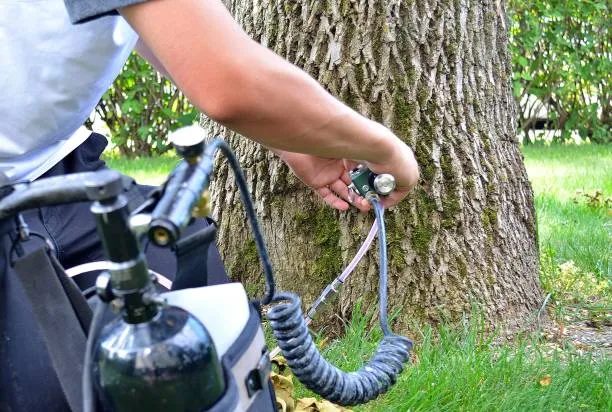
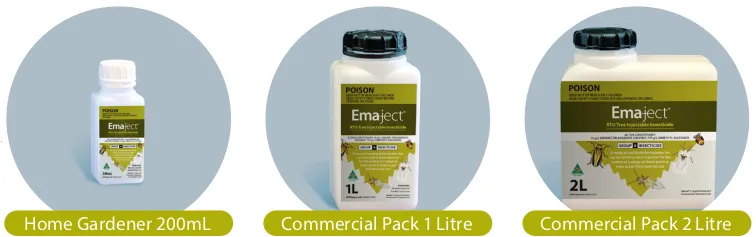
Modern beekeeping increasingly focuses on environmentally responsible pest control products. Ema-ject RTU is one solution that may support integrated hive management programs by helping control pest-related issues within agricultural and environmental settings.
Products like Ema-ject RTU are often valued for their ready-to-use convenience and ease of application in professional pest management strategies. When incorporated correctly alongside monitoring and hive care, they can contribute to broader pest control objectives.
Beekeepers should always consult product guidelines and local regulations before use to ensure treatments are suitable for hive environments.
6. Improve Hive Hygiene
Good hive sanitation reduces stress and disease pressure within colonies.
Hygiene Best Practices
- Remove dead bees and debris regularly
- Replace damaged hive equipment
- Sterilise tools between hives
- Avoid transferring infected frames between colonies
Clean hives create healthier conditions and reduce secondary infections associated with the Varroa mite effect on bees.
7. Requeen Regularly
Young queens generally produce stronger colonies with better brood patterns and improved resistance to stress.
Benefits of Requeening
- Improved colony productivity
- Stronger population growth
- Better disease resistance
- Reduced swarming tendencies
Many experienced beekeepers replace queens every one to two years to maintain colony strength.
8. Monitor Seasonal Risk Periods
Varroa populations often increase rapidly during warmer months when brood production is highest.
High-Risk Periods
- Spring build-up
- Late summer
- Early autumn
Monitoring during these periods allows timely Varroa mite treatment before winter colony losses occur.
9. Support Bee Nutrition
Proper nutrition strengthens bee immunity and helps colonies tolerate environmental stress.
Nutritional Support Tips
- Plant diverse flowering species nearby
- Provide pollen supplements if needed
- Ensure access to clean water
- Reduce pesticide exposure around hives
Healthy bees are more resilient against parasites and disease transmission.
10. Work With Local Beekeeping Networks
Collaboration among local beekeepers helps reduce regional infestation pressure.
Community Benefits
- Shared monitoring information
- Coordinated treatment timing
- Improved outbreak response
- Education on new control methods
Regional cooperation is essential for long-term Varroa management success.
Common Mistakes to Avoid
Many beekeepers unintentionally worsen infestations by delaying action or relying on a single control method.
Avoid These Mistakes
- Ignoring early infestation signs
- Overusing one treatment product
- Failing to monitor mite levels
- Neglecting hive hygiene
- Treating too late in the season
A proactive strategy provides the best protection against the devastating Varroa mite effect on bees.
Final Thoughts
Varroa mites remain one of the greatest challenges facing modern beekeeping. Without proper management, these destructive parasites can weaken colonies, spread disease, and cause major hive losses.
Implementing regular monitoring, integrated pest management strategies, strong hive hygiene, and timely Varroa mite treatment is essential for maintaining healthy and productive bee colonies. Understanding the serious Varroa mite effect on bees allows beekeepers to make informed decisions that support long-term hive survival.
Products such as Ema-ject RTU, when used responsibly within broader pest management programs, may also contribute to effective hive protection strategies.
By combining prevention, education, and consistent hive care, beekeepers can reduce Varroa infestations and help ensure healthier bee populations for the future.



























Sign in to leave a comment.