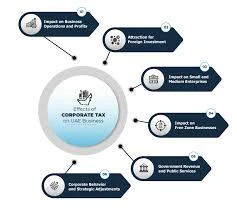
Running a business in the UAE has always been attractive because of its tax-friendly environment, but with the introduction of Corporate Tax, things have changed a bit. While the UAE still remains one of the most business-friendly countries in the world, every company whether small or large needs to understand the basics of how this new tax system works.
In this guide, we’ll break down the key rules of UAE corporate tax in simple language, helping you understand what applies to your business, what to look out for, and how to stay compliant.
What Is UAE Corporate Tax?
UAE Corporate Tax is a direct tax on the profits of businesses operating in the country. It was introduced to align the UAE with international tax standards while maintaining a fair and transparent business environment.
The standard corporate tax rate is 9%, which applies to businesses with taxable profits exceeding AED 375,000. Profits below this threshold are taxed at 0%, making it friendly for small and medium-sized enterprises.
Who Needs to Pay Corporate Tax?
Not all businesses in the UAE are required to pay corporate tax. Here’s a simple breakdown:
- Free Zone Companies – Many still enjoy tax exemptions, provided they meet specific conditions and do not conduct business in mainland UAE.
- Mainland Companies – Subject to the 9% corporate tax on taxable income above AED 375,000.
- Foreign Companies – Only taxed if they conduct regular business in the UAE.
If you’re a freelancer or sole proprietor, you may also fall under corporate tax if your annual profits cross the taxable threshold.
What Income Is Taxable?
Taxable income generally includes:
- Profits from business activities
- Income from UAE and foreign branches
- Royalties, dividends, and interest (under certain conditions)
However, the UAE Ministry of Finance allows several deductions and exemptions. For instance, dividends from qualifying shareholdings and capital gains are often exempt from taxation.
How to Calculate Corporate Tax
Corporate tax in the UAE is based on net profit as reported in your financial statements, adjusted for any tax-specific rules. Here’s a simplified view:
Taxable Income = Accounting Profit (Net Profit) – Adjustments (Exemptions, Deductions, etc.)
Let’s say your business earned AED 800,000 in net profit.
- The first AED 375,000 is tax-free.
- The remaining AED 425,000 is taxed at 9%, which means a corporate tax of AED 38,250.
That’s it simple and straightforward once your books are accurate and up to date.
Streamlining Finances with Cloud-Based Accounting Solutions in UAE
Staying compliant with corporate tax rules becomes much easier when your financial data is organized. Many businesses today are moving toward cloud-based accounting solutions in UAE to simplify recordkeeping, track real-time expenses, and generate financial statements automatically.
These tools not only reduce manual errors but also give business owners a clear picture of their financial health. With secure online access, you can collaborate with your accountant anytime, anywhere making tax preparation and compliance a stress-free process.
If your company hasn’t yet transitioned to a digital accounting system, this is the perfect time. Cloud-based tools help ensure that your data is safe, up-to-date, and ready for submission when tax season comes around.
Key Compliance Requirements
To stay on the right side of UAE tax law, businesses should follow a few essential steps:
- Register for Corporate Tax with the Federal Tax Authority (FTA).
- Maintain proper accounting records for at least seven years.
- Prepare and file annual corporate tax returns within nine months of your financial year-end.
- Ensure financial statements are accurate and compliant with IFRS (International Financial Reporting Standards).
Failure to meet these obligations can lead to fines and penalties so it’s better to get professional help early on.
Staying Ready with Audit Preparation & Compliance Services in Dubai
Another vital aspect of managing corporate tax is preparing for audits. Partnering with professional audit preparation & compliance services in Dubai can save you time and prevent costly mistakes.
These experts help you review your books, reconcile transactions, and ensure that all your financial reports align with the UAE’s legal requirements. They can also assist in identifying potential tax risks before they turn into problems.
Having a well-prepared audit file builds confidence with both regulators and investors showing that your business operates with transparency and good governance.
Final Thoughts
The UAE’s corporate tax system may seem like a big change, but with proper planning and the right tools, it’s completely manageable. Understanding your obligations, keeping accurate records, and using modern accounting solutions can keep your business compliant and future-ready.
Whether you’re a small startup or an established company, now’s the time to review your accounting setup, get professional advice, and take advantage of the technology available to make tax management easier than ever.



























Sign in to leave a comment.