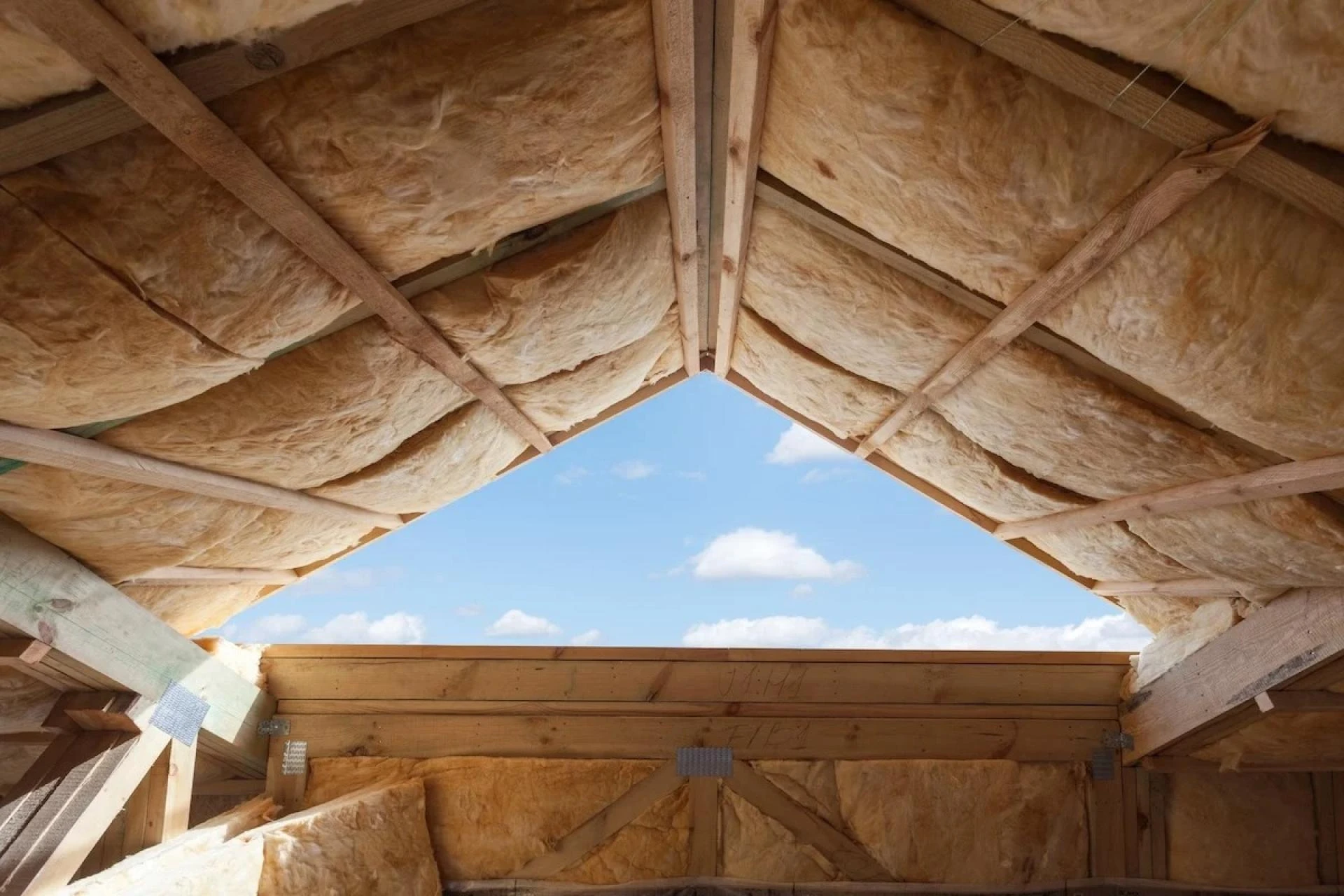
Roof insulation is often seen as a standard home improvement for comfort and energy efficiency, but its impact on property value is frequently underestimated. Beyond keeping interiors warmer in winter and cooler in summer, Professional roof insulation can influence long-term financial benefits, appeal to buyers, and lower maintenance requirements. Residential and commercial property owners increasingly recognize that investing in quality insulation provides measurable advantages that extend beyond immediate energy savings.
Enhanced Energy Efficiency Increases Market Appeal
Proper roof insulation significantly improves energy efficiency, which is a growing consideration for buyers and tenants. Reduced energy loss lowers utility bills, a feature that adds immediate perceived value to any property. Energy-conscious buyers often prioritize buildings with insulation upgrades, interpreting them as smart investments that decrease operating expenses over time.
Reduced Heating and Cooling Expenses
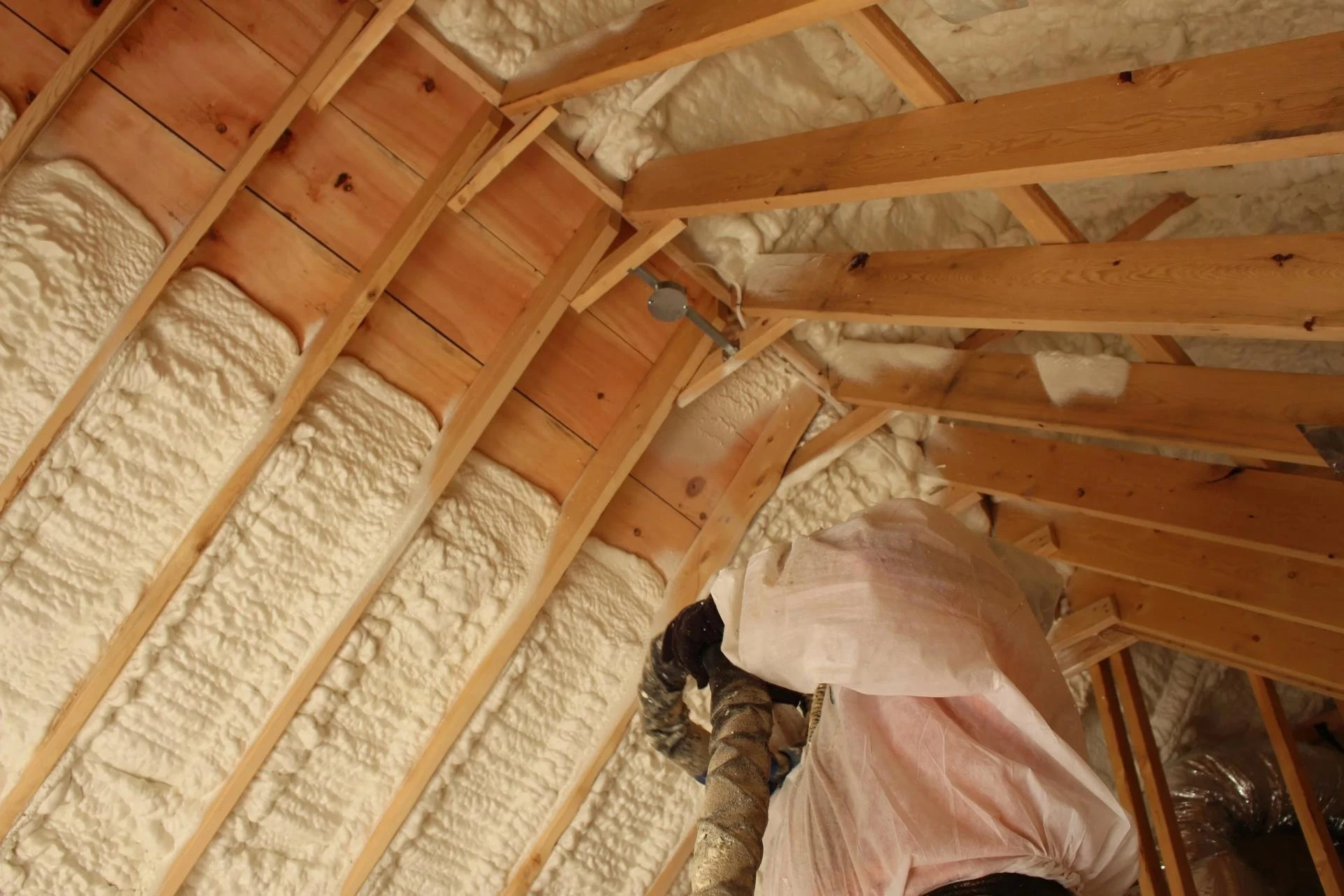
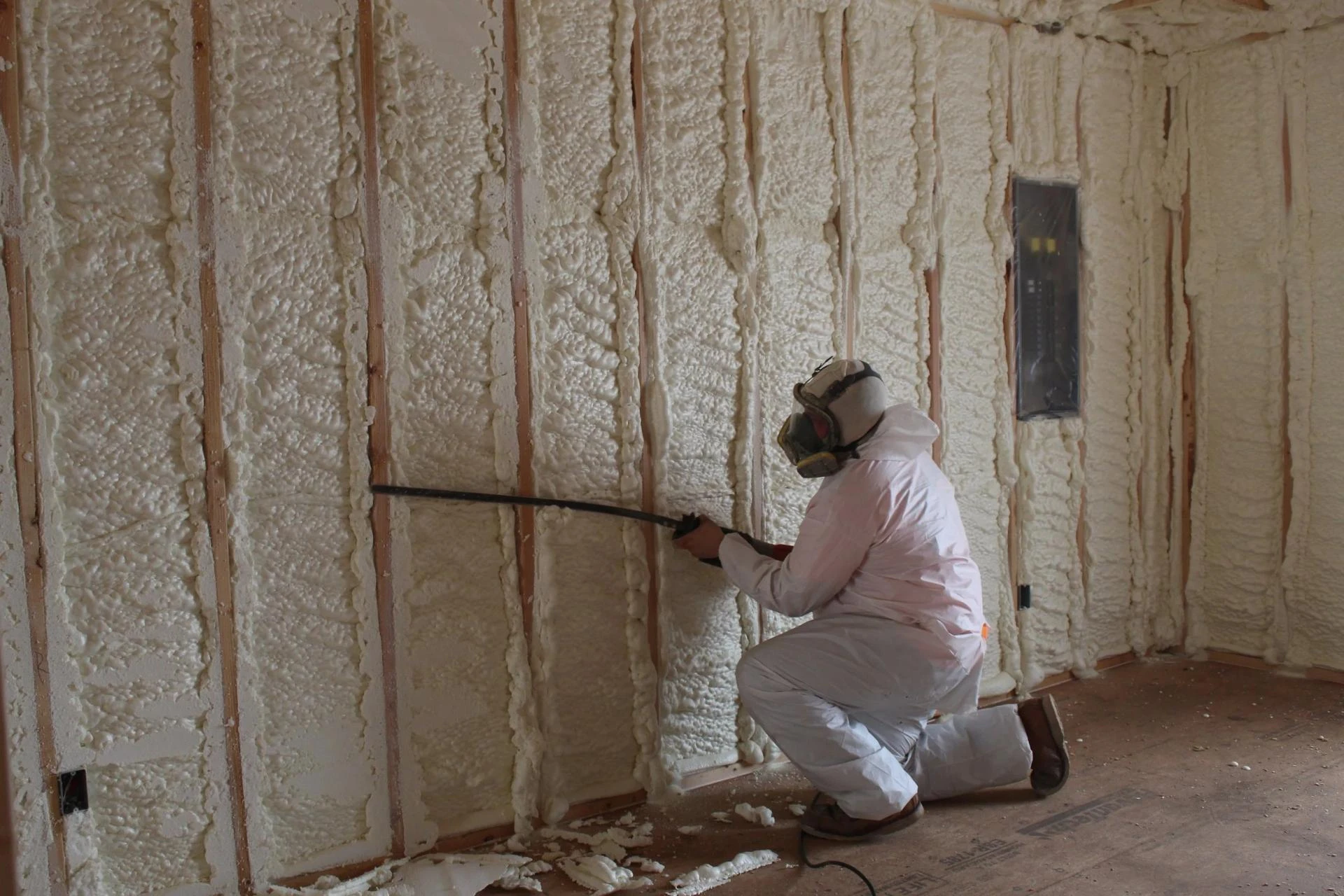
Roof insulation slows the transfer of heat in and out of the building. In colder months, insulated roofs keep warm air inside, reducing the workload on heating systems. During hotter months, insulation prevents excessive heat from entering the property, lowering cooling requirements. For buyers evaluating potential costs, these savings contribute to higher property valuations, especially in regions with extreme temperatures. Insulation materials like spray foam, reflective membranes, and rigid panels provide targeted solutions for different climates, ensuring optimal performance and energy savings.
Energy Performance Certifications
Properties with improved insulation often achieve higher energy ratings. Certifications like Energy Star or equivalent local assessments reflect reduced energy consumption and better thermal management. These credentials enhance property appeal, particularly in urban areas where energy efficiency can influence lending assessments and attract environmentally conscious buyers. Certified properties also often qualify for incentives or rebates, which adds another layer of financial advantage for owners and potential buyers.
Noise Reduction Enhances Comfort and Desirability
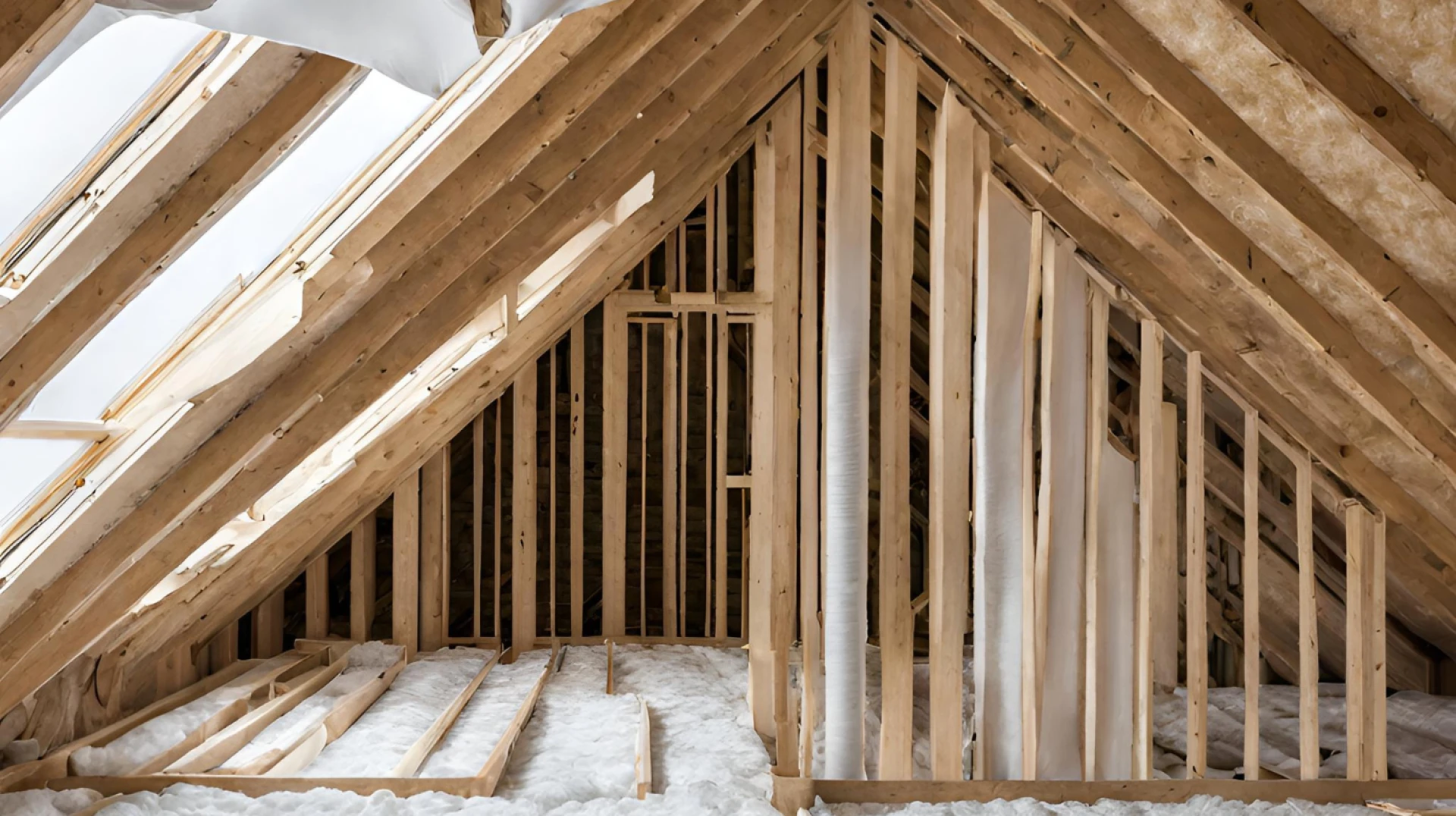
Roof insulation not only regulates temperature but also improves acoustic performance. Noise reduction is a key factor in densely populated areas, as properties insulated against street, traffic, or industrial sounds are more desirable.
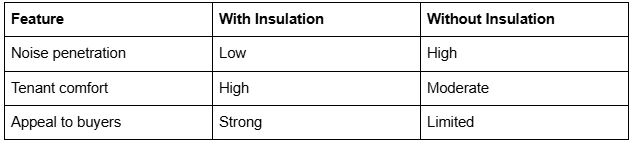
Acoustic Performance Comparison
Increased Privacy in Multi-Use Properties
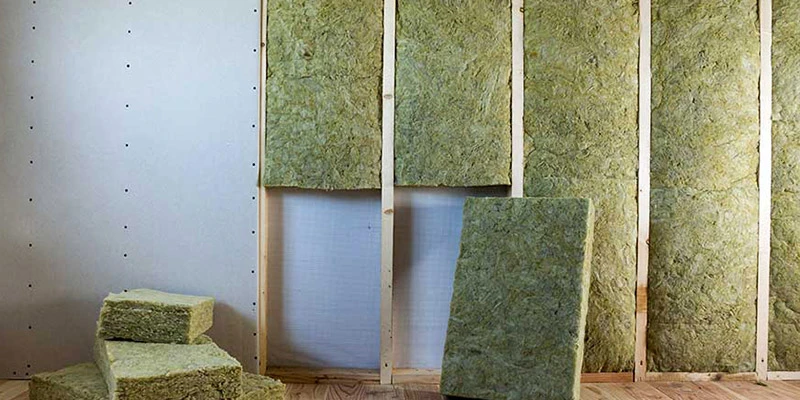
In commercial or multi-unit residential buildings, noise from neighboring units or floors can be disruptive. Roof insulation mitigates this problem, creating a quieter, more private environment. Enhanced privacy contributes to higher occupancy satisfaction and can justify higher rental or resale rates. Modern insulation options, such as mineral wool or dense spray foam, can significantly reduce noise transmission even in high-traffic areas.
Longevity of Roofing Materials Protects Investment
Insulated roofs experience more stable internal temperatures, reducing thermal expansion and contraction that can accelerate material fatigue. This stability preserves roofing materials over time, maintaining structural integrity and reducing long-term repair costs.
Reduced Roof Degradation
Temperature fluctuations cause roofing components to expand and contract, which can crack shingles, weaken membranes, and stress underlying structures. Insulation limits these extremes, extending the useful life of roofing materials and maintaining the building’s overall quality. Buyers and appraisers recognize properties with long-lasting roofs as lower-risk investments. Advanced insulation materials also provide added resistance against UV exposure and moisture, which further extends roof lifespan.
Maintenance and Inspection Savings
Buildings with properly insulated roofs require fewer inspections and repairs. Reduced wear and tear on roofing systems translates into lower maintenance costs and fewer disruptions for occupants. These benefits are particularly appealing in commercial buildings, where downtime or repair work can affect productivity or revenue. Preventative insulation measures often result in long-term cost avoidance that directly boosts asset value.
Moisture Control Preserves Structural Integrity
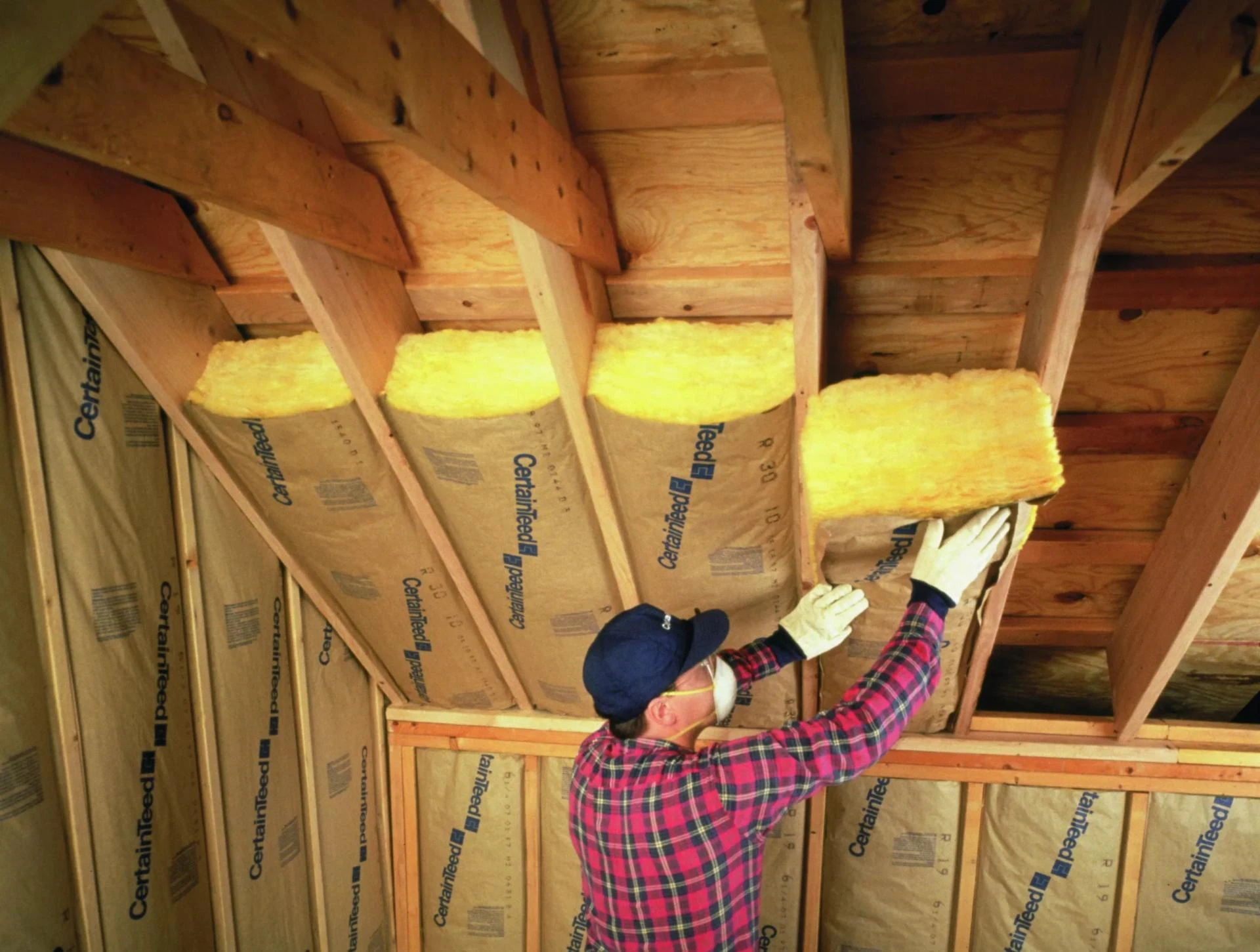
Condensation and moisture accumulation in attics and roofing systems can lead to mold, rot, and decay. Proper insulation plays a crucial role in regulating moisture levels and preventing water damage.
Prevention of Water Damage
Insulation balances temperature differences between interior and exterior surfaces, reducing condensation. By controlling moisture, roof insulation helps protect wooden structures, metal components, and roofing membranes. This decreases the likelihood of leaks, structural damage, and related repair costs. Spray foam insulation, for example, creates an air-tight barrier that reduces the risk of moisture infiltration, while rigid foam panels offer long-term protection against water damage.
Insurance and Appraisal Benefits
Properties with effective moisture control can attract favorable insurance terms, as the risk of water-related damage is lower. Appraisers may also assign higher values to buildings with documented insulation systems that prevent condensation and structural degradation. These factors make well-insulated buildings more marketable, particularly in climates with high humidity or frequent rainfall.
Environmental Appeal Drives Market Interest
Sustainability has become a prominent factor in real estate. Buyers increasingly prioritize properties that meet environmental standards, making insulated roofs a tangible selling point.
Reduced Carbon Footprint
By reducing heating and cooling demands, insulation lowers energy consumption and associated greenhouse gas emissions. Environmentally conscious buyers and tenants value properties that demonstrate responsible energy management. This sustainable aspect can influence both perceived and actual property value. Commercial developers often highlight these features as part of green building initiatives, further enhancing marketability.
Alignment with LEED or Other Certifications
Roof insulation improvements may qualify buildings for green certifications, including LEED or local sustainable construction programs. Certified properties carry enhanced recognition in the market, which can directly impact sale price, rental rates, and long-term asset reputation. Properties with green certifications also often attract government or municipal incentives, further adding financial benefits.
Thermal Comfort Boosts Occupant Satisfaction
Comfort is an influential factor in property desirability. Properties that maintain consistent indoor temperatures are more attractive to buyers, tenants, and appraisers.
Impact on Residential Market
In homes, properly insulated roofs prevent hot or cold spots, ensuring that all rooms maintain a comfortable temperature year-round. Comfortable living spaces reduce complaints, improve tenant retention, and increase buyer willingness to pay a premium. Homeowners experience improved indoor air quality, fewer drafts, and a more consistent climate, which all contribute to higher perceived property value.
Impact on Commercial Tenants
In commercial buildings, temperature control affects productivity and tenant satisfaction. Offices, retail spaces, or shared facilities that remain thermally consistent attract longer leases, better tenants, and potentially higher rent, increasing overall property value. Consistently comfortable work environments reduce complaints, absenteeism, and energy disputes, creating a more attractive property profile for investors.
Case Study Insights
Several real-world examples highlight the impact of roof insulation on property value. Residential properties that underwent attic and roof insulation upgrades in metropolitan regions saw measurable increases in resale value compared to similar, non-insulated homes. Commercial buildings with spray foam insulation reported lower utility costs and fewer maintenance issues, directly influencing their lease rates and market demand. These cases demonstrate that insulation improvements create both tangible and perceived value in the real estate market. Long-term data consistently shows that well-insulated buildings perform better financially and maintain higher marketability over time.
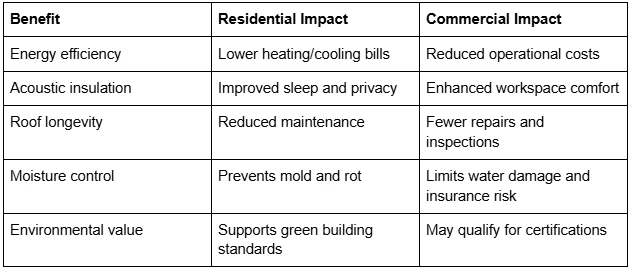
Comparison Table: Key Benefits of Roof Insulation
Conclusion
Roof insulation enhances property value through multiple direct and indirect effects. Energy efficiency improvements reduce heating and cooling expenses, making buildings more financially appealing. Acoustic control increases comfort and privacy, while insulation extends roof life and minimizes maintenance costs. Moisture regulation preserves structural integrity, and environmental benefits align with sustainability trends, creating stronger market appeal.
Buyers, tenants, and investors increasingly recognize insulated properties as smart investments. These buildings offer tangible advantages, from lower operating costs to greater long-term durability. Documented insulation upgrades signal a commitment to quality, comfort, and efficiency, helping properties stand out in competitive markets. Considering these factors, roof insulation should be evaluated not only as an energy-saving measure but also as a strategic investment in property value.
Visit us: https://innovativehomeperformance.com/?utm_source=backlink
FAQs
How does roof insulation affect property resale value?
Insulation improves energy efficiency, acoustic comfort, and structural durability. These enhancements make properties more appealing to buyers, which can translate into higher resale value and quicker sales.
Can commercial buildings benefit from roof insulation in ways similar to homes?
Yes. Insulated commercial properties experience lower energy costs, improved tenant comfort, and extended roofing lifespan. These factors increase lease rates, attract high-quality tenants, and boost overall asset value.
Does insulation reduce maintenance costs over time?
Yes. Insulation stabilizes roof temperatures and controls moisture accumulation, reducing wear, preventing rot, and lowering repair frequency. This directly impacts long-term maintenance expenses.
Are energy certifications important for property valuation? Yes. Certifications such as Energy Star or LEED signal efficient energy use and sustainability. Buyers and appraisers often use these ratings to evaluate long-term cost savings and market appeal.
How does insulation contribute to environmental sustainability?
Roof insulation reduces energy consumption, lowering carbon emissions. Properties that demonstrate sustainable design principles appeal to environmentally conscious buyers and may qualify for incentives or certification programs.
Reviewer: Maria Lopez offered detailed feedback after reviewing this post. Her 10 years of experience in spray foam work helped guide the tone and suggestions toward realistic strategies.





















Sign in to leave a comment.