Homeowners are increasingly moving away from traditional insulation like fiberglass batts and toward modern solutions like spray foam for one main reason: performance. They are looking for more than just a basic thermal barrier. The switch is driven by a desire for a complete system that offers superior energy efficiency, improved indoor air quality, and long-term durability. Modern insulation specialists, particularly spray foam, provides an all-in-one solution by acting as both an insulator and an air barrier, a combination that older materials simply cannot match.
This shift reflects a more educated consumer who understands that a home's comfort and operating costs are tied directly to how well its building envelope is sealed, not just insulated. An analysis of modern building science and installation practices reveals the key factors motivating this change and explains why so many are choosing to upgrade their homes with these advanced materials.
A New Focus on Total Performance Not Just R-Value
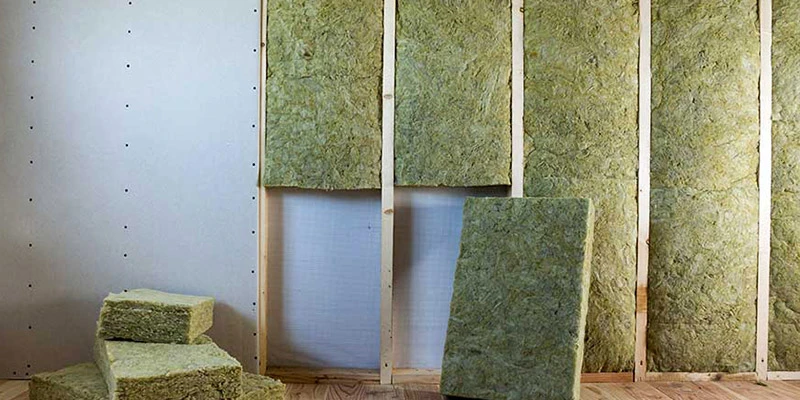
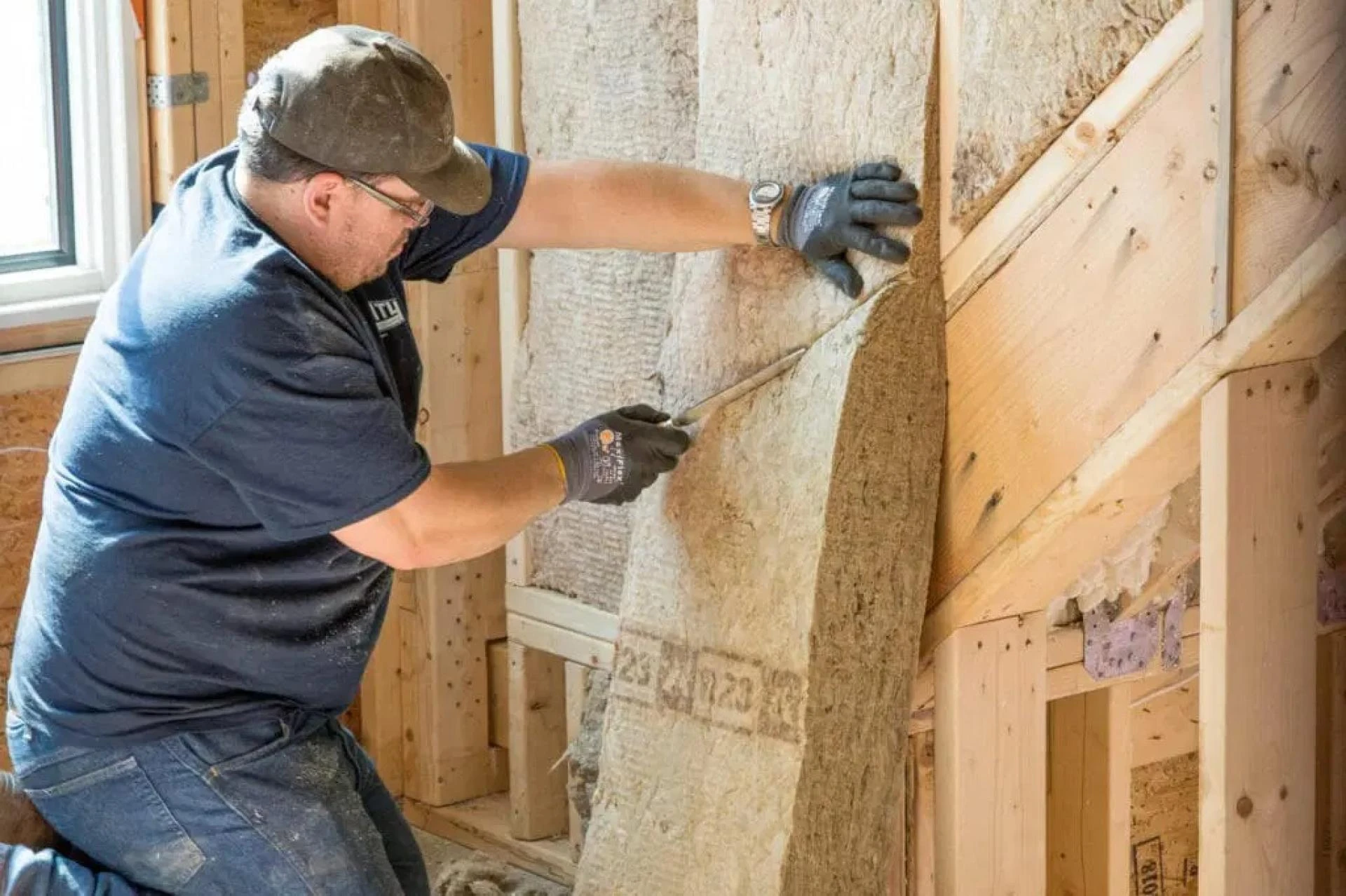
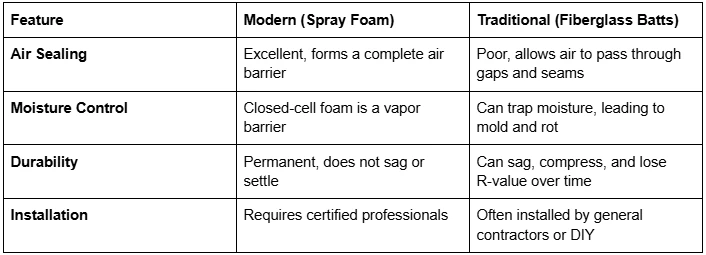
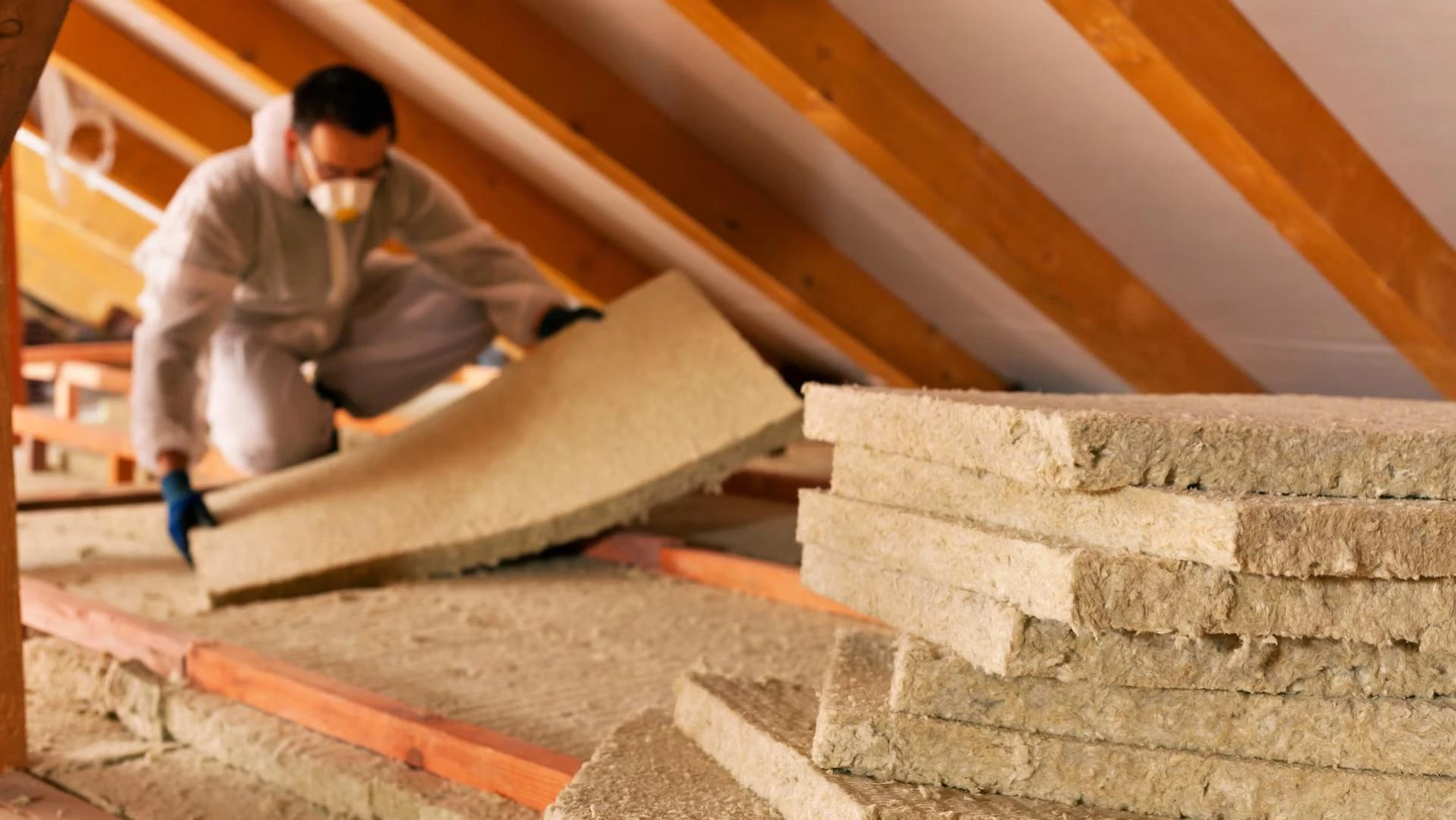
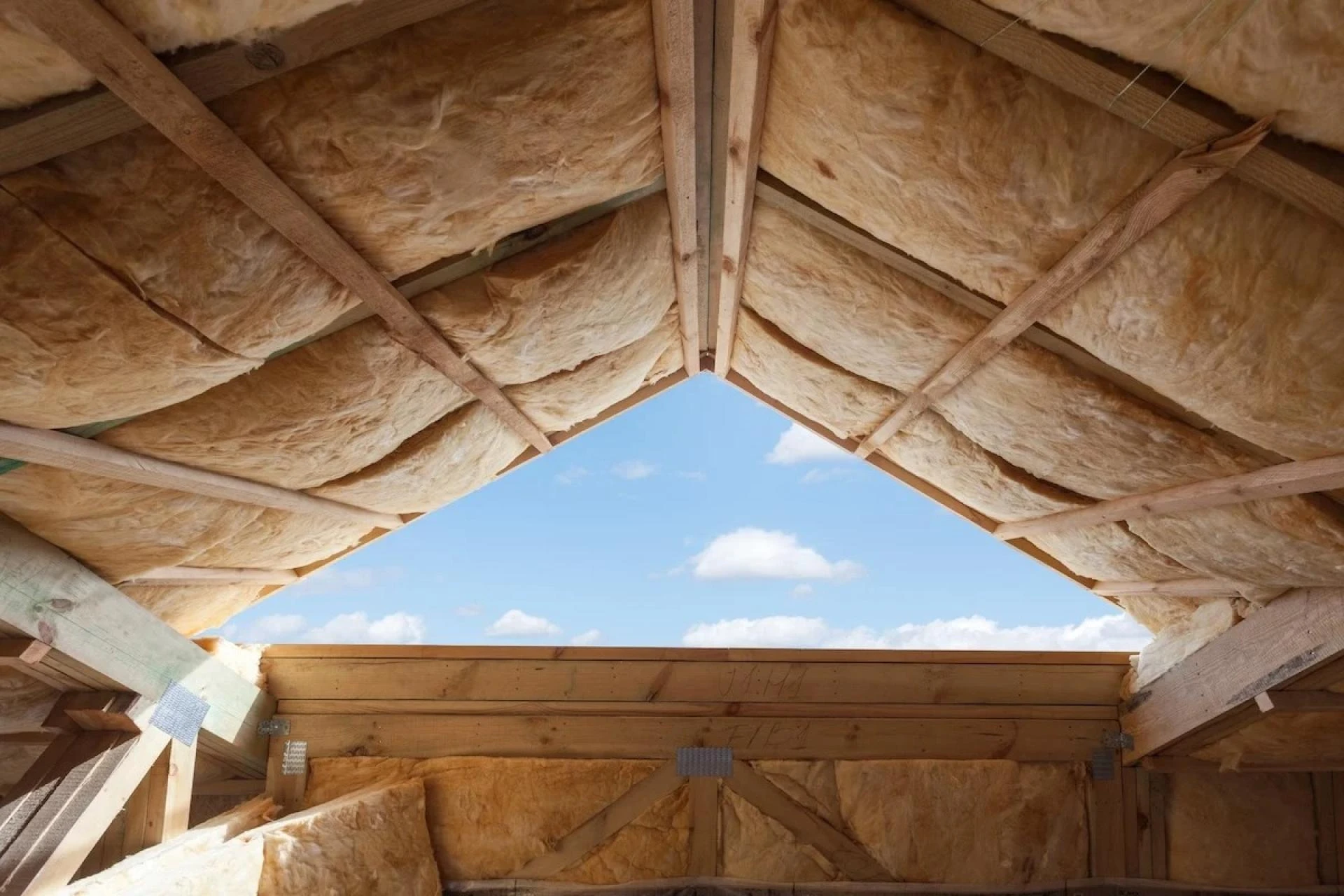
For decades, the conversation about insulation was dominated by one metric: R-value. While R-value, which measures resistance to heat flow, is still important, it only tells part of the story. The major performance gap in traditional insulation is its inability to stop air leakage. Air moving through walls, attics, and floors can account for a huge portion of a home's energy loss. Fiberglass batts, even when installed perfectly, have seams and gaps that allow air to pass through freely.
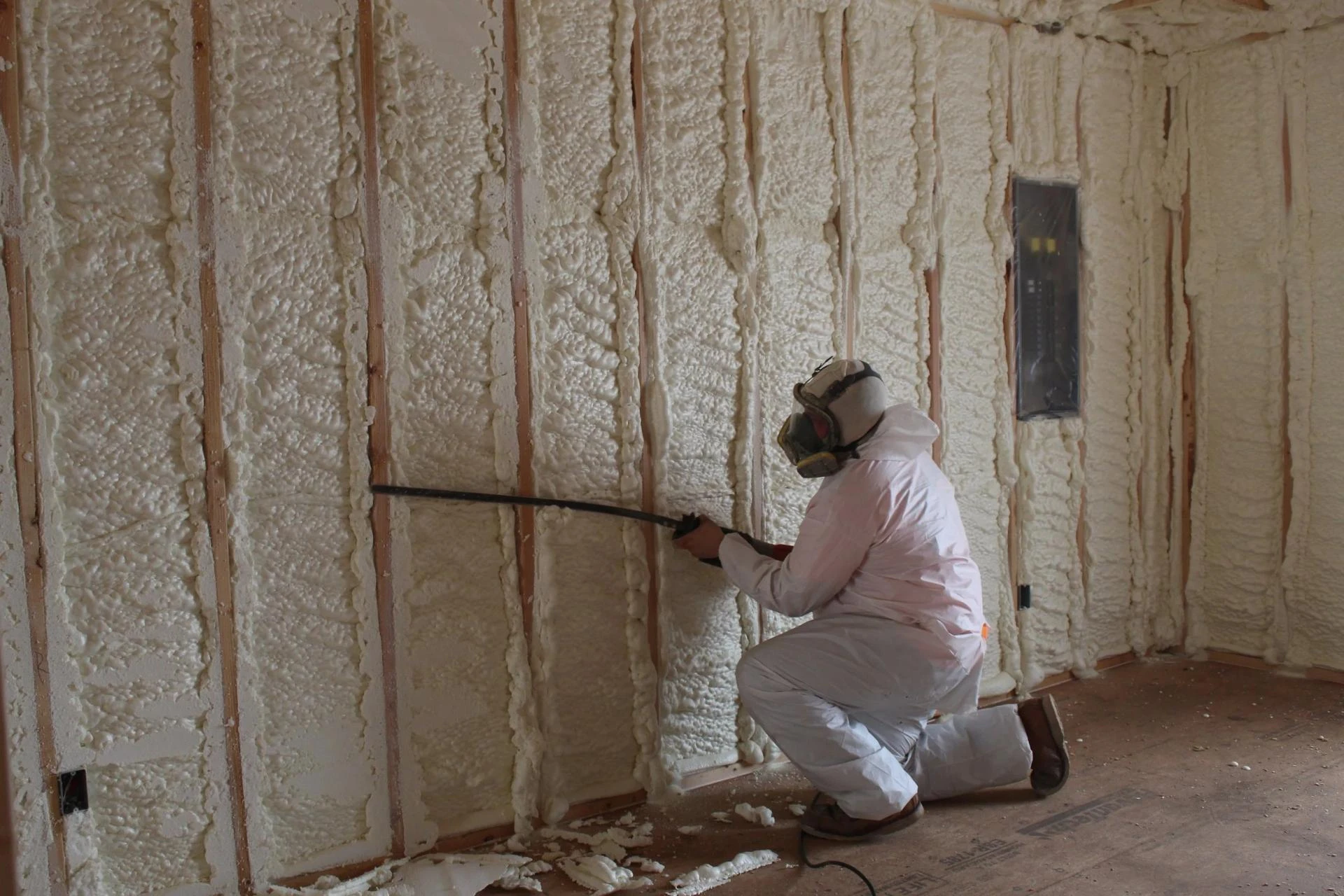
Modern insulation like spray polyurethane foam (SPF) fundamentally changes this. It’s applied as a liquid that expands to fill every single crack, gap, and crevice, creating a seamless, monolithic air barrier. This air-sealing capability is what sets it apart. By stopping uncontrolled air movement, it addresses the primary way homes lose conditioned air. This means the insulation's stated R-value actually performs as expected in a real-world setting, unlike traditional products whose effectiveness is often compromised by air leakage.
The Push for Real Energy Efficiency and Lower Bills
With energy costs consistently rising, homeowners are actively seeking ways to reduce their monthly utility bills. This has become a powerful driver for switching to higher-performance insulation. A home insulated and air-sealed with spray foam requires significantly less energy to heat and cool.
Here's why:
- Reduced HVAC Workload: When a home doesn't leak air, the heating and cooling system doesn't have to run as often or as long to maintain the desired temperature.
- Stable Indoor Temperatures: The airtight seal eliminates drafts and cold spots, creating a more uniformly comfortable environment that doesn't demand constant thermostat adjustments.
- Long-Term Savings: The Department of Energy estimates that air sealing and insulating can save homeowners an average of 15% on heating and cooling costs. For many, especially those with older, drafty houses, the savings can be much higher, often helping to offset the initial investment over time.
Comparing Modern and Traditional Insulation Methods
- Bonus Tip: Before insulating, consider a professional energy audit. A blower door test can pinpoint the most significant air leaks in your home, allowing an insulation plan to be targeted for maximum impact.
Growing Concern for a Healthy Home Environment
Beyond direct performance metrics, awareness of indoor air quality has grown substantially, and homeowners are now connecting the dots between their home's construction and their family's health. The ability of modern insulation to create an airtight seal has profound benefits for the air inside a home.
By sealing the thousands of small openings in a home's exterior, spray foam helps block a wide range of outdoor pollutants and allergens from entering. This includes:
- Pollen and dust
- Vehicle exhaust fumes
- Smoke from wildfires or industry
Furthermore, closed-cell spray foam is impermeable to moisture. This helps prevent condensation from forming inside wall cavities, which is a primary cause of mold and mildew growth. Since mold spores are a major trigger for allergies and asthma, preventing their growth contributes directly to a healthier living space. Traditional insulation can absorb and hold moisture, creating a hidden breeding ground for mold.
The Desire for a Durable, Low-Maintenance Solution
Many homeowners today are looking for "do it once, do it right" solutions. They are tired of products that degrade over time and require maintenance or replacement. This is another area where modern insulation stands out.
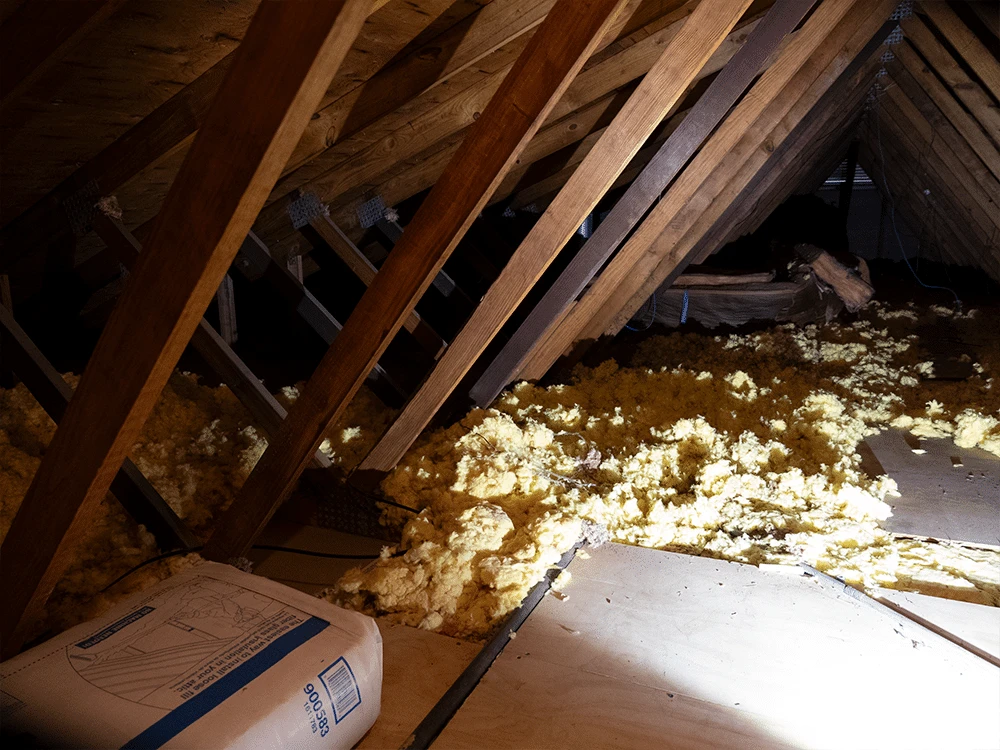
Fiberglass batts can sag and pull away from framing over the years, leaving gaps that compromise their effectiveness. Blown-in cellulose can settle, reducing the R-value at the top of wall cavities. Spray foam, on the other hand, is a permanent solution. Once cured, it is a rigid, inert solid that adheres directly to the building materials. It will not shrink, sag, or settle for the life of the building. This long-term stability ensures that the insulation performs just as well in year 20 as it does in year one, providing lasting value and peace of mind.
- Bonus Tip: Closed-cell spray foam can also add structural integrity to walls and roofs, helping to increase their resistance to high winds. This bonus feature adds to the home's overall durability.
Things to Consider Before Making a Decision
Switching to modern insulation is a major home improvement project. It’s important to weigh several factors before moving forward.
- Project Scope: Identify the most important areas to insulate. Attics, crawl spaces, and basements are often the best places to start for the biggest return on investment.
- Ventilation: A well-sealed home needs a plan for fresh air. Discuss mechanical ventilation options, like an energy recovery ventilator (ERV), with your contractor to ensure a healthy indoor environment.
- Choosing an Installer: The performance of spray foam is entirely dependent on the quality of the installation. Do your research and hire a certified, insured, and experienced professional. Don't base your decision on price alone.
- The Investment: While the upfront cost is higher than for traditional materials, view it as a long-term investment. Factor in the monthly energy savings, improved comfort, and increased home value when making your decision.
Questions People Ask About Switching Insulation
Is spray foam a good choice for insulating an existing home?
Yes, it's an excellent option for retrofits. Installers can access attics, crawl spaces, and rim joists easily. For existing walls, they can use a "drill-and-fill" technique to insulate without major demolition.
Will my house be able to "breathe" after installing spray foam?
Houses don't need to "breathe" through random cracks; people do. The goal is to stop uncontrolled air leakage and then provide fresh air in a controlled way with a ventilation system. This creates a much healthier and more efficient home.
How does the cost compare to fiberglass in the long run?
While the initial cost of spray foam is higher, its superior performance in air sealing and longevity often makes it more cost-effective over the life of the home. The continuous energy savings and the fact that it never needs to be replaced add up to significant long-term value.
What if I need to run new wiring or plumbing in a spray-foamed wall?
It is possible. A channel can be cut into the foam to run new lines. Afterward, the channel can be filled with a small, disposable spray foam kit to restore the seal and insulation.
Can spray foam help reduce noise from outside?
Yes. The density and air-sealing properties of spray foam make it an effective sound barrier, helping to dampen noise from traffic, neighbors, and airplanes.
A Lasting Upgrade for Today’s Homes
The trend toward modern residential insulation specialists is about more than just keeping up with new technology. It's a response to a demand for homes that are more efficient, healthier, and more comfortable. By providing a comprehensive solution that combines high R-value with a superior air and moisture barrier, products like spray foam deliver a level of performance that helps homeowners achieve these goals in a way older materials can't.
How to Get Started with a Home Insulation Upgrade
Making the switch to modern insulation starts with understanding a home's unique needs. A consultation with an experienced insulation contractor can provide information about specific options. For homeowners in need of a professional assessment, an experienced company like Nevada Urethane, which specializes in high-performance insulation, can evaluate a property and recommend a course of action. Their team is available for inquiries by phone at (775) 500-0024 or by email at [email protected].
Reviewer: Maria Lopez offered detailed feedback after reviewing this post. Her 10 years of experience in spray foam work helped guide the tone and suggestions toward realistic strategies.




















Sign in to leave a comment.