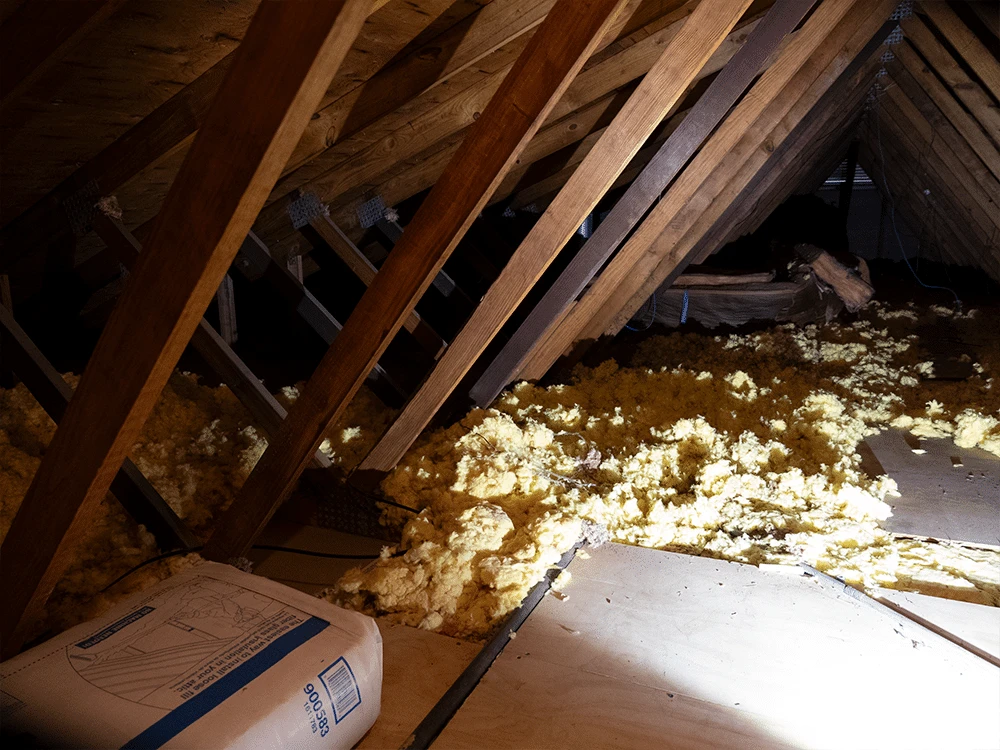
For any business, controlling overhead costs is a constant battle. While managers often focus on labor, inventory, and marketing, one of the largest and least visible expenses is frequent energy waste resulting from a poorly insulated building. A commercial property with inadequate or degraded insulation essentially leaks money, forcing its heating and cooling systems to run excessively just to maintain a stable indoor environment. This energy loss directly translates to higher utility bills, which consistently eat into profit margins month after month. The primary culprit is often outdated or improperly installed insulation that fails to provide a complete air seal, allowing conditioned air to escape and outside temperatures to infiltrate.
This problem is not just about the direct cost of energy. Poor commercial insulation can lead to a cascade of other issues, including reduced employee productivity, damage to inventory, and premature aging of expensive HVAC equipment. This article, guided by insights from an expert commercial insulation company, will detail the ways poor insulation drains a business's resources and explain how modern solutions like spray foam can provide a significant and rapid return on investment.
The High Cost of an Uncontrolled Building Envelope
A commercial building's "envelope" refers to its entire exterior shell: the roof, walls, windows, doors, and foundation. When this envelope is not properly sealed and insulated, it creates a constant financial drain. The Department of Energy reports that heating and cooling account for roughly 40% of the energy used in commercial buildings. A significant portion of that energy is wasted fighting against air leakage and poor thermal resistance.
Here are the primary ways that poor insulation costs a business money:
- Skyrocketing Utility Bills: This is the most obvious cost. When a building can't hold its temperature, the HVAC system has to work harder and run longer. This is especially true for buildings with large, open spaces like warehouses or manufacturing floors, and for structures with metal framing, which can act as a thermal bridge, conducting heat in and out of the building.
- HVAC Equipment Overload: When a building struggles to maintain its temperature due to poor insulation, the HVAC system is forced to work continuously and under greater strain. This leads to more frequent breakdowns, expensive emergency repairs, and a shorter overall lifespan for the equipment. Replacing a commercial rooftop HVAC unit can be a massive capital expense.
- Lost Productivity and Customer Comfort: In an office or retail setting, inconsistent temperatures and drafts create an uncomfortable environment for employees and customers. Studies have shown a direct link between thermal comfort and worker productivity. Uncomfortable customers are less likely to stay and shop.
- Damage to Inventory: For businesses that store temperature-sensitive goods, such as food, pharmaceuticals, or electronics, a stable environment is critical. For electronics, extreme temperatures or condensation can lead to component failure and reduced lifespan. Poor insulation can lead to temperature fluctuations and condensation, which can ruin valuable inventory.
Why Traditional Insulation Fails in Commercial Settings
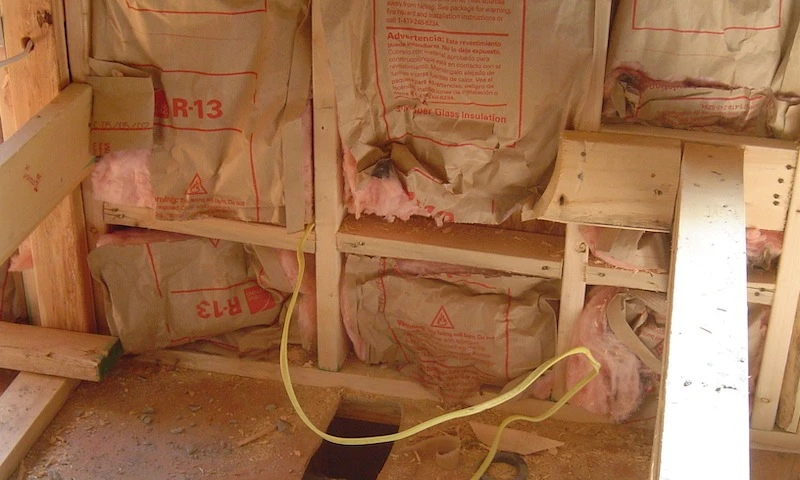
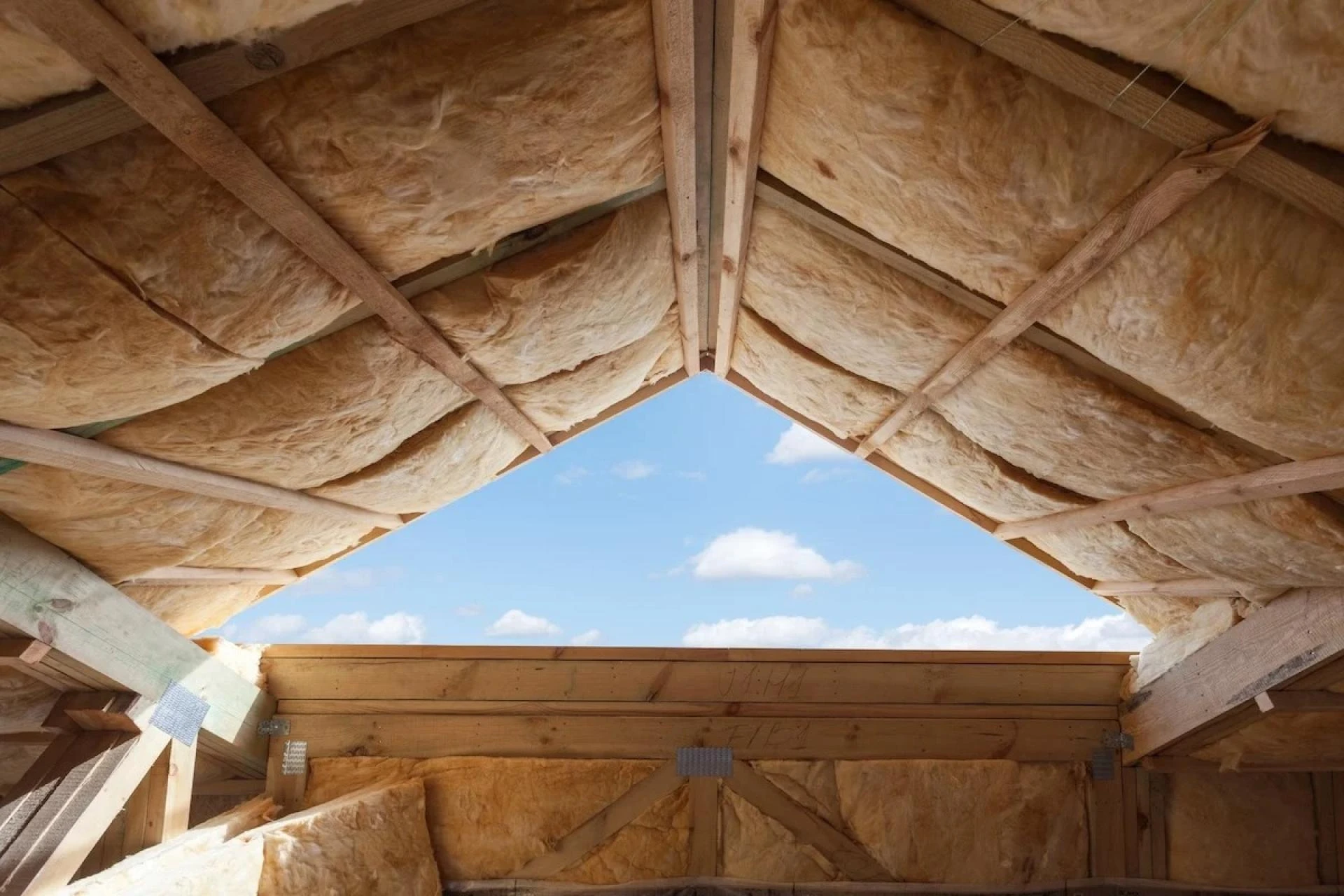
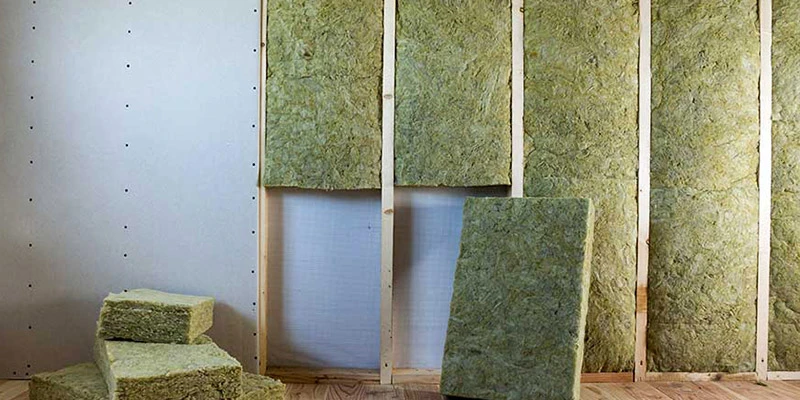
Many older commercial buildings were insulated with materials like fiberglass batts or rigid foam boards. While these materials can be effective initially, they have weaknesses, particularly in the demanding environment of a commercial structure.
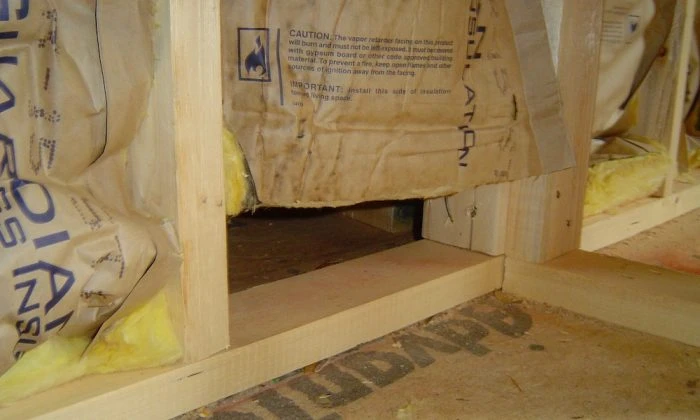
- Air Gaps and Seams: Fiberglass batts and rigid boards have seams between them. Over time, as the building settles, these seams can open up, creating pathways for air leakage.
- Vulnerability to Moisture: If fiberglass gets wet from a roof leak, it loses its insulating properties and can become a breeding ground for mold.
- Difficult to Install Around Obstructions: Commercial buildings are full of plumbing, wiring, and structural steel. It is very difficult to cut and fit traditional insulation perfectly around these obstacles, leaving many small gaps that add up to significant air leakage.
The Commercial Advantage of Spray Foam Insulation
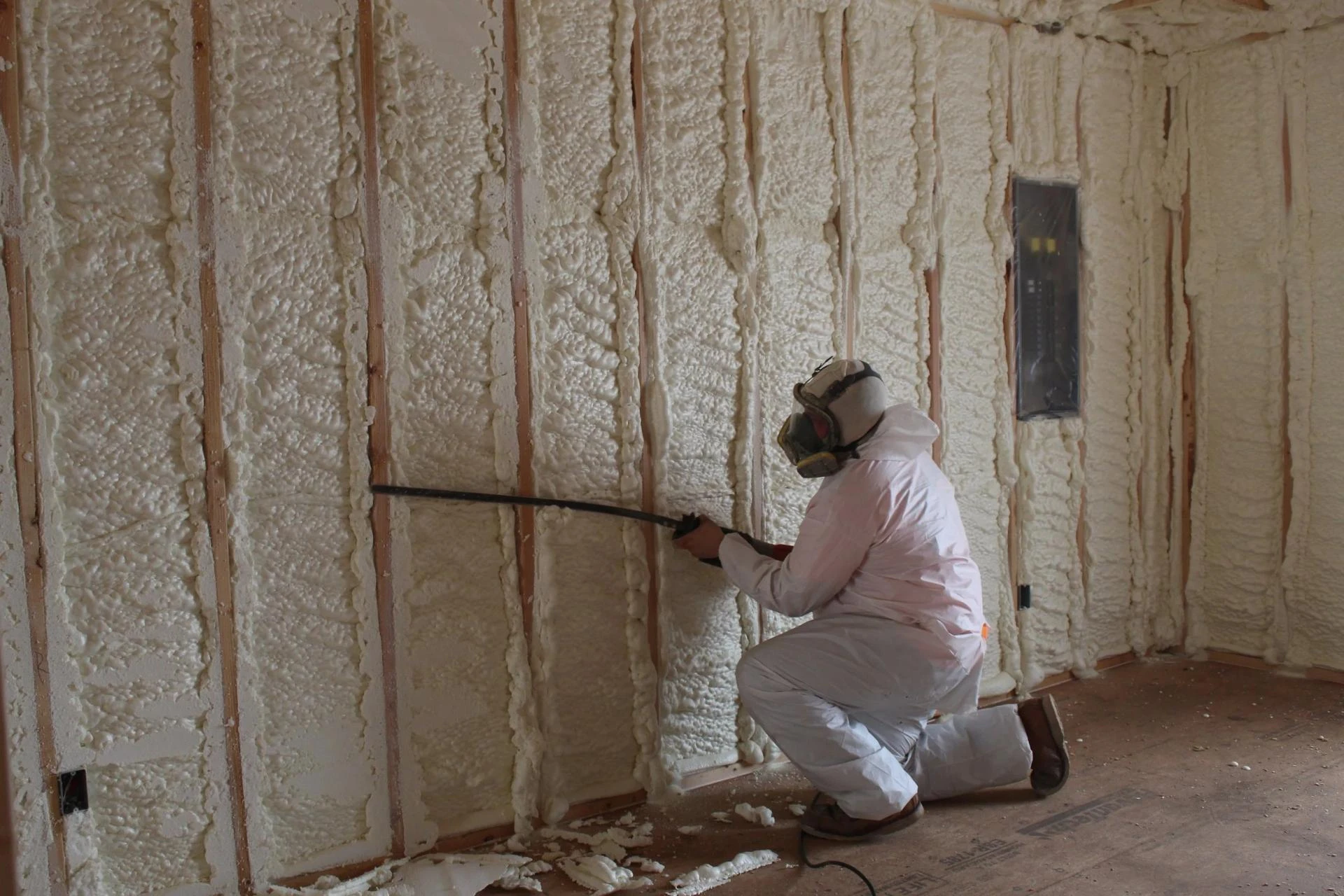
Fortunately, modern insulation technologies offer a robust solution to these common pitfalls. Spray polyurethane foam (SPF) insulation solves the primary weaknesses of traditional materials. Because it's applied as a liquid, it expands to fill every crack and seam, creating a seamless, monolithic air barrier that conforms perfectly to any surface.
Comparing Insulation in a Commercial Context
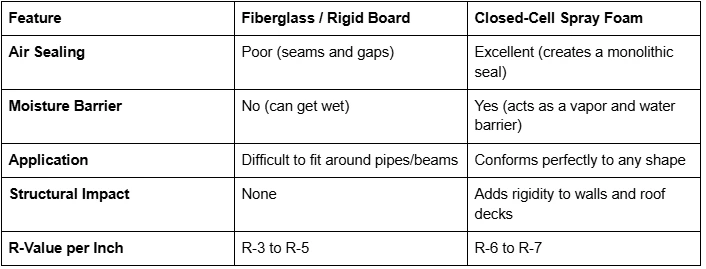
This comprehensive performance is what makes spray foam such a powerful tool for reducing a commercial building's operating costs. By creating a superior air seal, it can dramatically lower the heating and cooling load, often allowing a business to see a return on their investment in just a few years through energy savings alone.
Specialized Applications: Metal Buildings
In large metal buildings, applying a layer of closed-cell spray foam directly to the interior of the metal panels is one of the most effective ways to stop air leakage, prevent condensation (which can cause rust), and significantly improve thermal performance.
Beyond Energy Savings: Other Business Benefits
While the financial return from energy savings is the primary driver for an insulation upgrade, there are other valuable benefits for a business.
- Improved Structural Integrity: Closed-cell spray foam is dense and rigid. When applied to the underside of a roof deck or the interior of walls, it adds significant racking strength, making the entire building stronger and more resilient to high winds.
- Better Sound Control: The airtight seal and foam structure are very effective at blocking outside noise. For businesses located near busy roads or industrial areas, this can create a much more pleasant and productive indoor environment, leading to improved employee concentration and enhanced customer satisfaction.
- Enhanced Moisture and Pest Control: Because closed-cell foam is waterproof and provides no food source for pests, it helps protect the building from moisture damage, mold, and infestations.
Key Factors for a Commercial Insulation Project
Upgrading the insulation in a commercial building is a significant project. Business owners and facility managers should consider the following:
- Conduct an Energy Audit: Before investing in new insulation, it’s wise to have a professional commercial energy audit performed. This will use tools like blower doors and thermal imaging to identify the biggest sources of energy loss and help you target your investment for the greatest return.
- Plan for Business Operations: The installation process needs to be scheduled to minimize disruption to your business. A professional contractor will work with you to develop a phased plan, often working after hours or on weekends to avoid interrupting your operations.
- Choose the Right Contractor: Commercial spray foam installation requires specialized equipment and expertise. Look for a contractor with a proven track record of successful commercial projects, proper insurance, and safety certifications.
Frequently Asked Questions (FAQs)
To help address typical concerns business owners might have, here are some frequently asked questions regarding commercial insulation projects:
What is the typical ROI for a commercial spray foam project?
While project costs vary significantly based on the building's scale and specific needs, the return on investment depends on the building's size, its current condition, local energy costs, and the scope of the project. However, many businesses see a payback period of 3 to 7 years through energy savings.
Can spray foam be applied to a flat commercial roof?
Spray foam is an excellent solution for insulating and protecting commercial flat roofs. A specialized, high-density roofing foam is applied to the exterior of the roof and then covered with a durable, waterproof coating. This creates a seamless, insulated, and leak-proof roofing system.
Will the installation process create a lot of downtime for my business?
A professional insulation contractor will work with you to create a schedule that minimizes disruption. For many projects, it's possible to section off the work area or schedule the application during non-business hours to ensure your operations can continue.
Is the investment in new insulation tax-deductible?
In many cases, yes. Energy-efficiency upgrades can often be depreciated, and there may be federal, state, or local tax credits and rebates available for commercial energy-saving projects. It's best to consult with a tax professional.
A Strategic Investment in Your Bottom Line
Poor commercial insulation isn't just a building flaw; it's a constant financial liability. The money wasted on heating and cooling a leaky, inefficient building could be invested in growing the business, hiring new employees, or improving products and services. Upgrading to a high-performance insulation system like spray foam is not just an expense; it's a strategic investment in reducing overhead and improving the long-term health and profitability of the business.
Get a Professional Commercial Energy Assessment
Ready to discover how much your building could save? The first step is to get a professional evaluation. An expert in commercial building performance can conduct a thorough energy audit to pinpoint sources of waste and provide a clear, data-driven plan for improvement. The team at Nevada Urethane has extensive experience with commercial and industrial insulation projects of all sizes. They can provide a detailed assessment of your facility and design a spray foam solution to meet your specific operational and financial goals. To schedule a commercial consultation, contact them today at (775) 500-0024 or by email at [email protected].
Reviewer: Ava Clark, with 6 years of experience working with spray foam insulation teams, contributed valuable insights, particularly regarding customer trust and communication, which helped shape key parts of this post.

























Sign in to leave a comment.