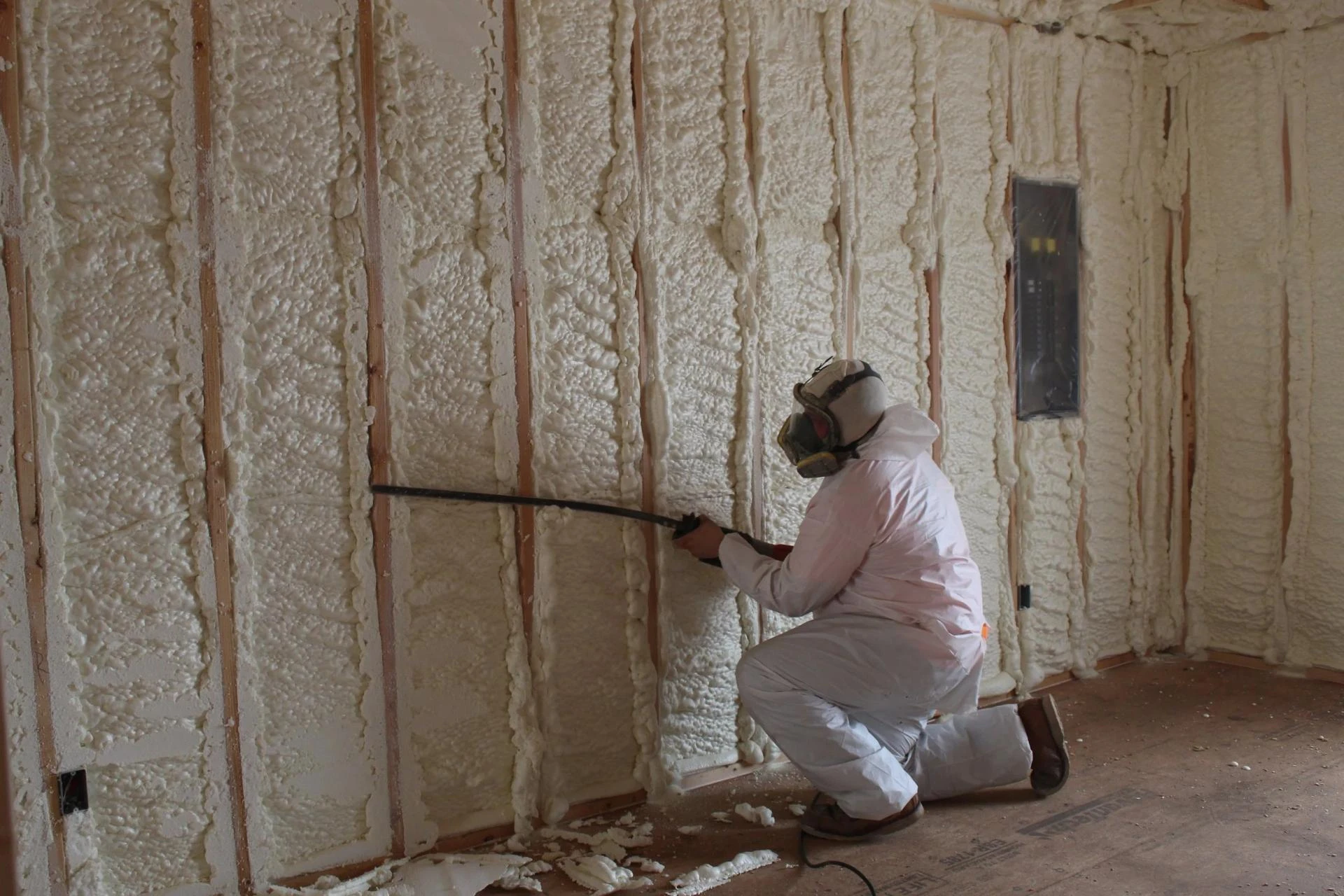

Yes, residential insulation will absolutely make a home quieter. While its primary purpose is thermal control, one of the most significant secondary benefits of proper insulation is noise reduction. It works by both absorbing sound waves within walls and ceilings and by blocking airborne sound from traveling through the structure. For homeowners residential insulation in Burley, ID, who might deal with noise from traffic, wind, or nearby agricultural activities, upgrading insulation can lead to a dramatic improvement in the peace and comfort of their living environment.
Different types of insulation offer varying levels of sound control, but nearly any modern insulation will perform better than an empty or under-insulated wall cavity. This article will explain how insulation dampens sound, which types work best, and where to install it for maximum effect. The information is based on building science principles and practical knowledge from insulation professionals who help homeowners create quieter, more serene spaces.
The Science of Sound and Your Home
To understand how insulation quiets a home, it helps to know a little about how sound travels. There are two main types of noise that affect a house:
- Airborne Noise: This is sound that travels through the air. Examples include traffic, conversations in the next room, barking dogs, and music.
- Structure-Borne Noise: This is sound that travels through the solid components of a building. Examples include footsteps on the floor above, a door slamming, or vibrations from a washing machine.
Sound waves will travel through the path of least resistance. In a typical home, this often means passing through thin drywall and empty stud cavities in walls and ceilings. Air gaps and cracks are like open doors for airborne sound. Insulation works by filling these cavities, forcing sound to travel through a denser, more absorbent material that deadens the vibrations.
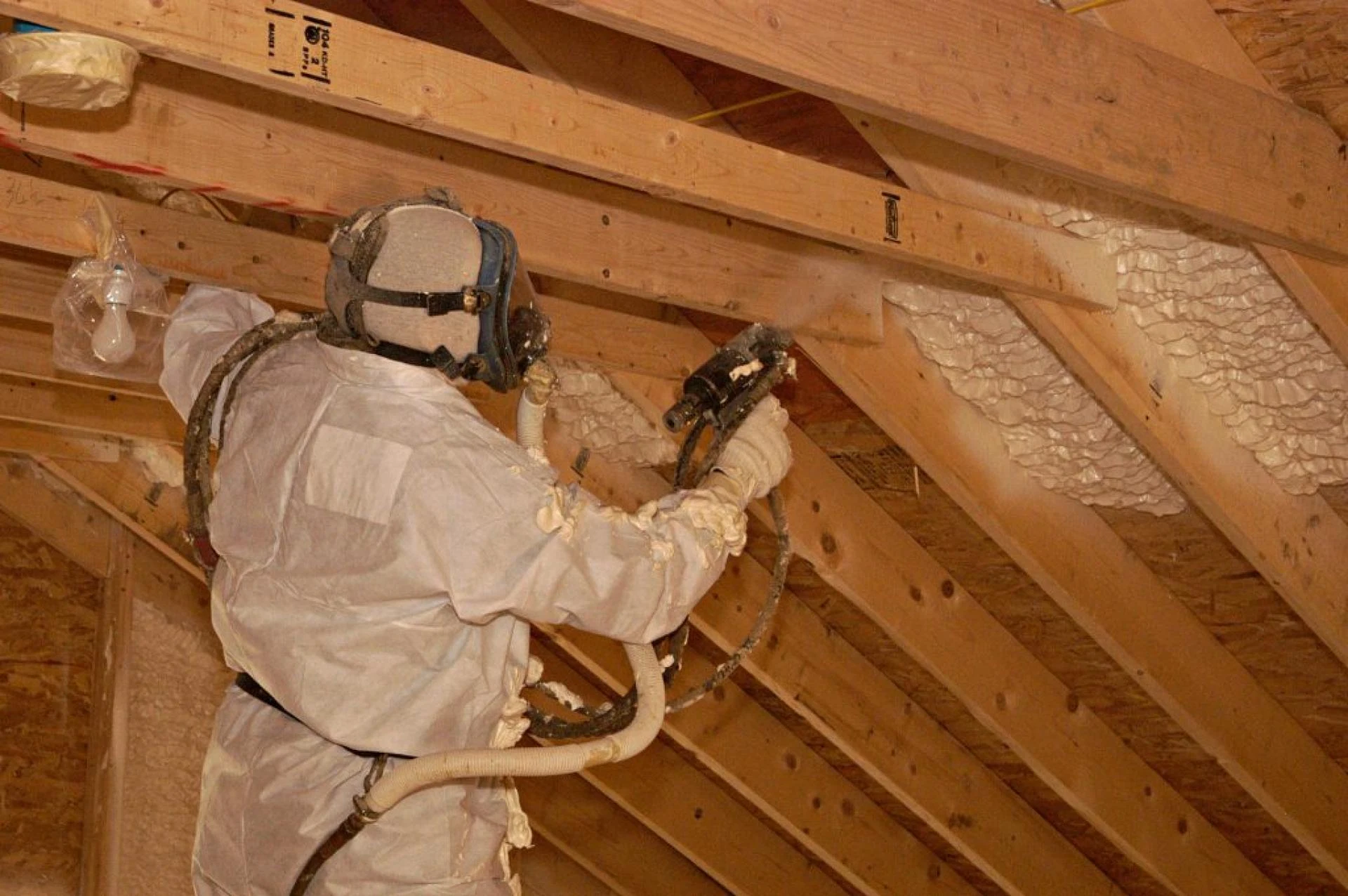
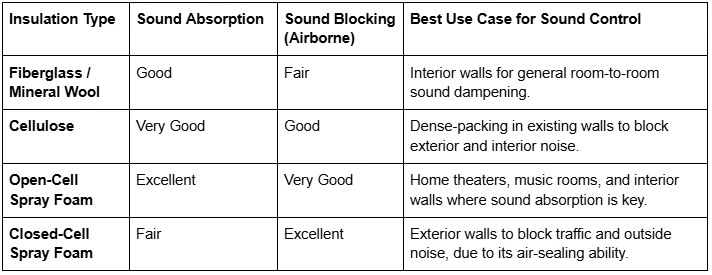
How Different Insulation Types Handle Noise
While all insulation helps, some materials are definite standouts when it comes to acoustics. The best choice often depends on the type of noise you're trying to reduce and where it's located.
Open-Cell Spray Foam
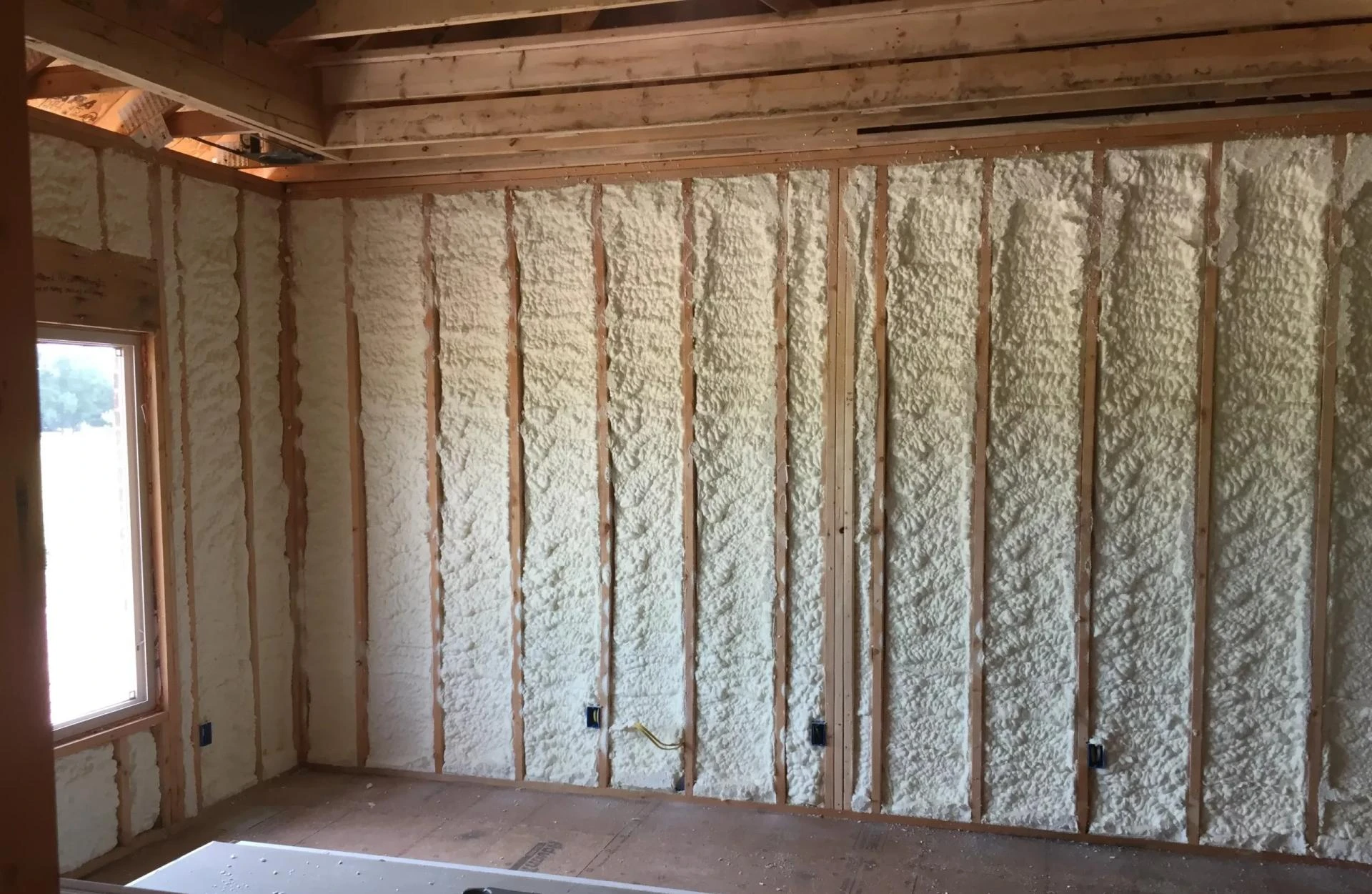
With a soft, pliable texture like a dense sponge, open-cell foam excels at absorbing sound waves. As sound energy enters the foam, it gets trapped and diminished within millions of tiny air pockets. This makes it a top choice for reducing noise within a home, such as between a living room and a home office, where sound absorption is the main goal.
Closed-Cell Spray Foam
In contrast, closed-cell foam is rigid and dense. Its stiff structure makes it an exceptional sound blocker rather than an absorber. By creating a complete air barrier, it's one of the best materials for stopping outside noise from getting in. For homes near a busy road or in a noisy neighborhood, applying closed-cell foam to exterior walls can create a quiet sanctuary.
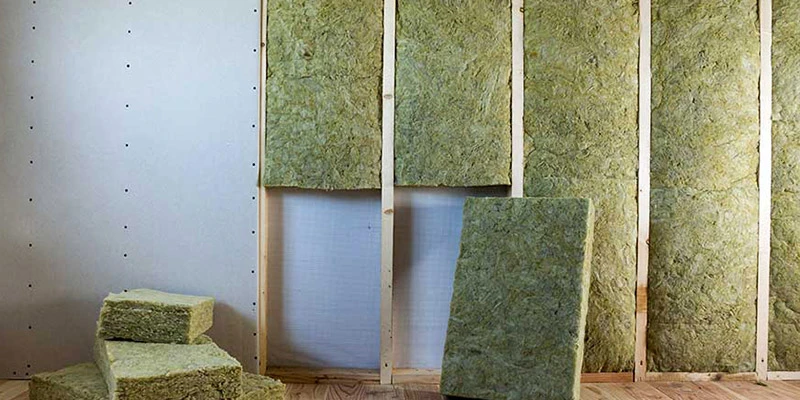
Cellulose and Mineral Wool
These are also great options for sound control. They are dense materials that are very effective at dampening sound vibrations within a wall cavity. Dense-packed cellulose, which involves blowing the material into a wall until it's tightly packed, is a popular method for soundproofing existing homes without tearing out the drywall.
Strategic Insulation for a Quieter Burley Home
For the best results, insulation should be installed where it will have the most impact on the specific noises a homeowner is trying to stop.
- Exterior Walls: This is the first line of defense against outside noise. Insulating these walls effectively can dramatically reduce the sound of traffic, wind, and neighbors. For a place like Burley, a well-insulated exterior wall can make a big difference when the wind picks up across the plains.
- Interior Walls: Not all interior walls need acoustic insulation, but some are prime candidates. Consider insulating the walls around bathrooms, laundry rooms, home offices, and bedrooms to increase privacy and reduce disturbances. It's also smart to seal electrical outlets, which often create a direct path for sound through a wall; a good installer will use acoustic putty to close these gaps.
- Floors and Ceilings: To combat structure-borne noise like footsteps from an upper level, the best approach is to insulate the cavity between the floor joists. This, combined with carpeting or rugs, can significantly muffle the sound of activity from above.
Bonus Tip: For maximum soundproofing in a specific room, like a home theater, professionals often recommend combining insulation with other materials. Using resilient channels to "float" the drywall off the studs and adding a layer of mass-loaded vinyl can create a room that is almost completely soundproof.
Things to Consider Before Making a Decision
Now that you know where to place insulation for maximum effect, it's wise to think about a few other key factors to ensure you get the results you want.
- Identify the Noise Source: Is the noise coming from outside or inside? Is it airborne or structure-borne? The answer will help determine the best type of insulation and where to install it. For example, blocking low-frequency traffic rumble requires a different strategy than dampening high-frequency voices.
- Evaluate Windows and Doors: Often, the weakest link in a home's sound barrier is not the walls, but the windows and doors. An insulated wall won't do much good if sound is pouring through old, single-pane windows. Consider upgrading these elements as part of a total soundproofing project.
- New Build vs. Retrofit: It is much easier and more cost-effective to install acoustic insulation during a new build or a major renovation when the wall cavities are open. For existing homes, options like blown-in cellulose or injection foam are excellent solutions that don't require tearing down walls.
- Professional Installation is Key: The effectiveness of any insulation, especially spray foam, is highly dependent on the quality of the installation. A professional installer will ensure there are no gaps or voids, creating the continuous barrier needed for effective sound control.
Questions About Home Soundproofing
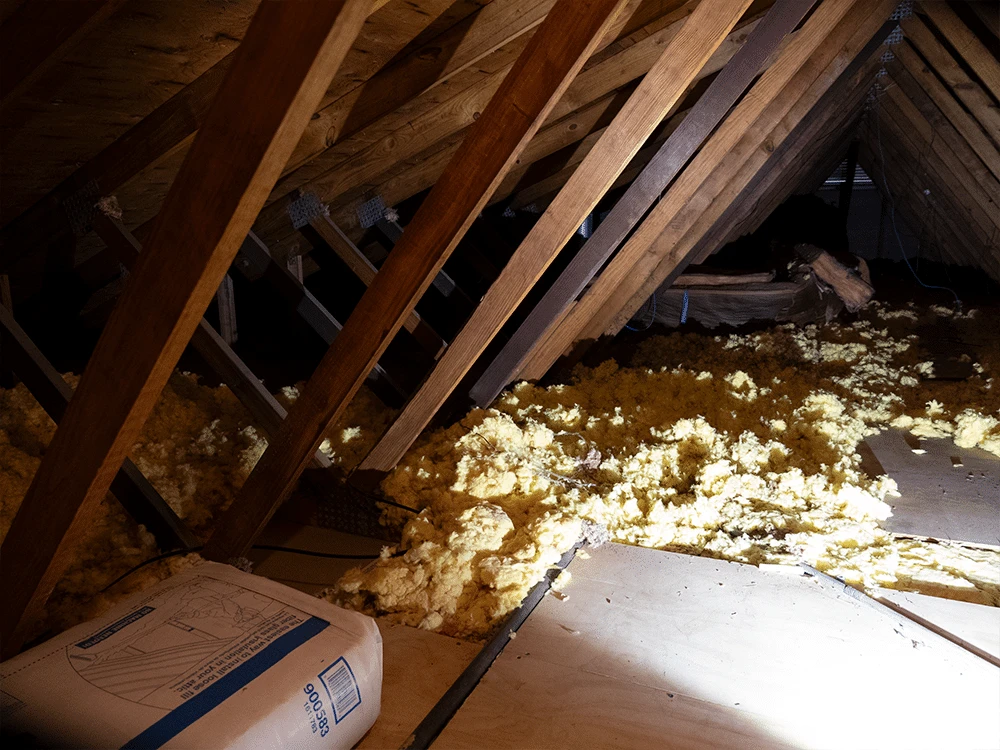
Will insulating my attic help reduce noise?
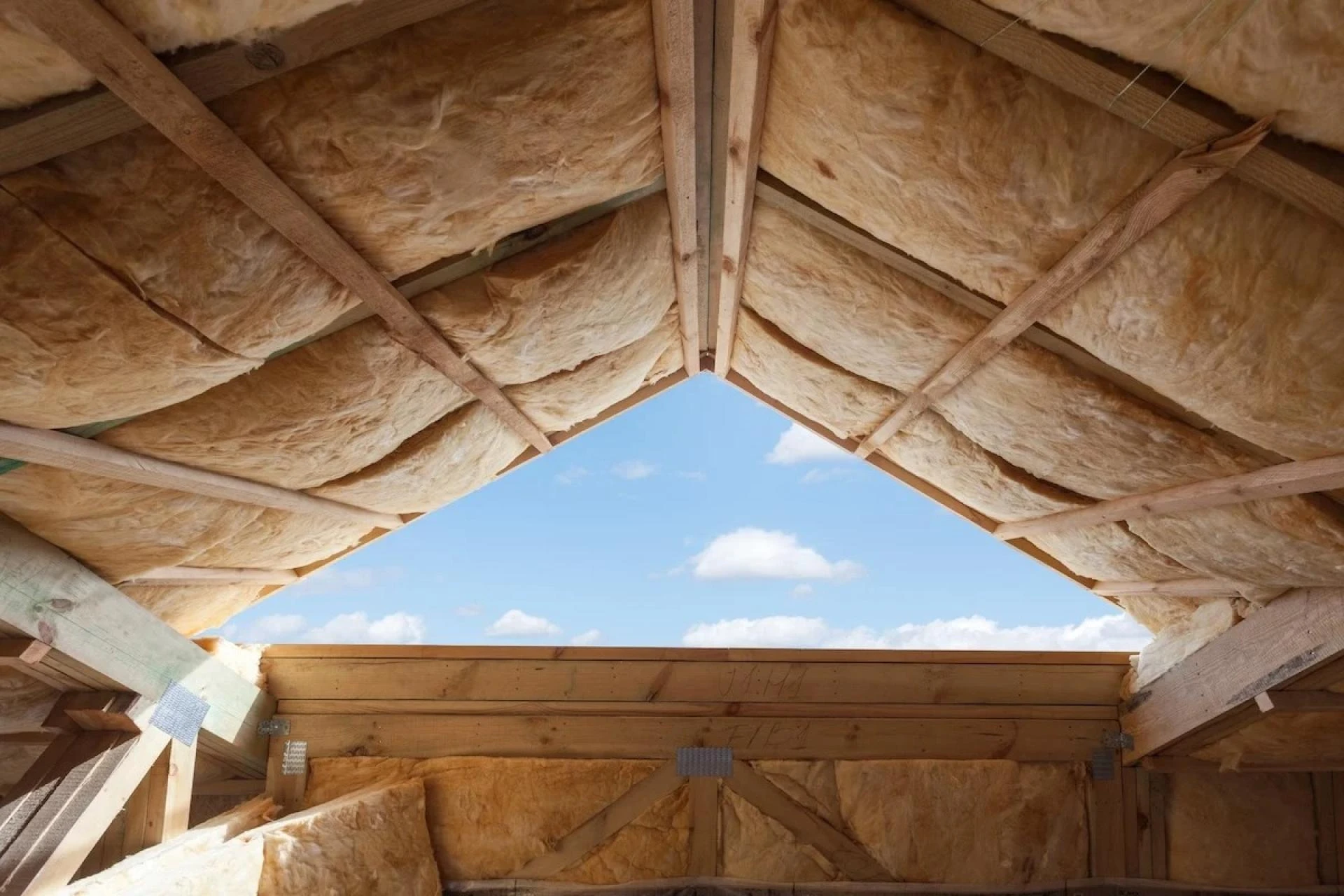
Yes, absolutely. A well-insulated attic can significantly reduce noise from airplanes, heavy rain, or hail hitting the roof. It adds a thick, absorbent layer between your living space and the outside world.
What is the best insulation for a home theater?
For a room where you want to absorb sound and prevent it from bothering the rest of the house, open-cell spray foam is an excellent choice. Its soft, porous structure is perfect for deadening sound waves. Dense mineral wool batts are also a professional favorite for this application.
Can insulation stop the sound of plumbing?
Yes. The sound of water rushing through pipes or the loud "thump" of a water hammer can be very annoying. Encasing the pipes in spray foam or wrapping them in insulation can effectively dampen these noises.
Is there a difference between thermal and acoustic insulation?
Often, they are the same product. Materials that are good at resisting heat flow, like dense insulation or materials that trap air, are also naturally good at resisting sound flow. However, some products are specifically designed and tested for their acoustic properties.
How much quieter will my house actually be?
The difference can be substantial. While it's hard to give an exact number, many homeowners report that their home feels much calmer and that they are no longer bothered by noises that used to be a constant distraction. It often feels like the difference between being roadside and being in a quiet library.
Creating a More Peaceful Home Environment
Ultimately, professional insulation installation is a powerful tool for creating a quieter, more peaceful home. By absorbing and blocking unwanted noise, it adds a layer of comfort that goes far beyond temperature control. For homeowners in Burley, making a strategic investment in the right insulation can turn a noisy house into a calm and quiet retreat.
Get a Professional Opinion on Sound Control
Since identifying the right noise problem and material can be tricky, getting a professional opinion is a good next step. An experienced insulation contractor can perform an assessment to locate the primary sources of noise and recommend the most effective solutions. For homeowners in the Nevada area looking for expert advice, Nevada Urethane has years of experience in both thermal and acoustic insulation. They can provide a detailed consultation to help design a plan and can be reached by phone at (775) 500-0024 or via email at [email protected].
Reviewer: Maria Lopez offered detailed feedback after reviewing this post. Her 10 years of experience in spray foam work helped guide the tone and suggestions toward realistic strategies.






















Sign in to leave a comment.