
In the ever-evolving landscape of web development, Drupal has long been a powerhouse for creating dynamic and feature-rich websites. With the rise of headless architecture, Drupal has adapted to meet the demands of modern web development, offering developers unparalleled flexibility and scalability. In this comprehensive guide, we'll delve into the world of Drupal Headless, exploring its benefits, challenges, and best practices for leveraging this innovative approach to web development.
Chapter 1: Understanding Drupal Headless
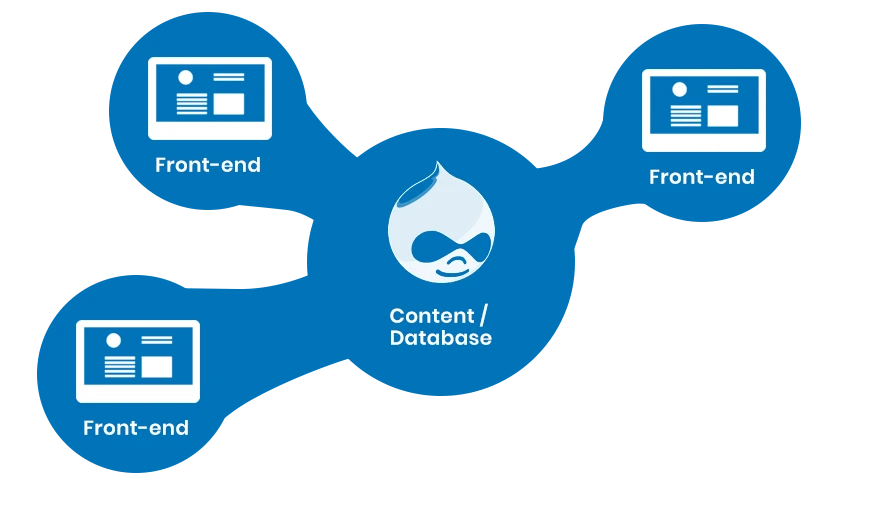
Drupal Headless, also known as Decoupled Drupal, decouples the frontend presentation layer from the backend content management system, providing developers with the flexibility to use any frontend technology they choose, such as React, Angular, or Vue.js. This separation of concerns allows for greater freedom in design and development, enabling developers to create highly interactive and performant web experiences.
Chapter 2: Benefits of Drupal Headless
One of the primary benefits of Drupal Headless is its flexibility. By decoupling the frontend from the backend, developers can leverage the strengths of both Drupal's robust content management capabilities and modern frontend frameworks to create highly customized and engaging web experiences. Additionally, Drupal Headless offers improved performance and scalability, as frontend assets can be served directly from a content delivery network (CDN), reducing server load and enhancing user experience.
Chapter 3: Challenges of Drupal Headless
While Drupal Headless offers numerous benefits, it also presents some challenges that developers must navigate. One of the main challenges is complexity, as decoupling the frontend and backend introduces additional layers of architecture and requires careful coordination between development teams. Additionally, maintaining consistency and synchronization between the frontend and backend can be challenging, especially in larger and more complex projects.
Chapter 4: Best Practices for Drupal Headless Development
To overcome the challenges of Drupal Headless and maximize its benefits, developers should follow best practices for implementation. This includes careful planning and architecture design, ensuring clear communication and collaboration between frontend and backend teams, and utilizing tools and frameworks that facilitate integration and synchronization. Additionally, developers should prioritize performance optimization and testing to ensure a seamless user experience across all devices and platforms.
Chapter 5: Real-World Examples of Drupal Headless
To illustrate the potential of Drupal Headless, let's explore some real-world examples of successful implementations. From e-commerce platforms to media and entertainment websites, organizations across various industries have leveraged Drupal Headless to create immersive and engaging web experiences that drive user engagement and business growth. By decoupling the frontend from the backend, these organizations have achieved greater flexibility, scalability, and performance in their web applications.
Chapter 6: Getting Started with Drupal Headless Ready to dive into the world of Drupal Headless? Getting started is easier than you might think. Begin by familiarizing yourself with the principles and concepts of headless architecture, then explore Drupal's headless capabilities and documentation to learn how to set up and configure a headless Drupal project. Additionally, leverage online resources, tutorials, and communities to connect with other developers and gain insights into best practices and tips for success.
Chapter 7: Future Trends and Innovations in Drupal Headless
As technology continues to evolve, so too will Drupal Headless. Looking ahead, we can expect to see continued innovation and advancements in headless architecture, as well as greater integration with emerging technologies such as artificial intelligence, machine learning, and the Internet of Things (IoT). By staying informed and adaptable, developers can harness the full potential of Drupal Headless and drive innovation in the digital landscape.
Conclusion: Drupal Headless represents a paradigm shift in web development, offering developers unprecedented flexibility, scalability, and performance in creating dynamic and engaging web experiences. By understanding the benefits, challenges, and best practices of Drupal Headless, developers can unlock new opportunities for innovation and creativity, driving success in their projects and pushing the boundaries of what's possible in the digital world. So why wait? Dive into Drupal Headless today and unleash the full potential of your web development projects.



























Sign in to leave a comment.