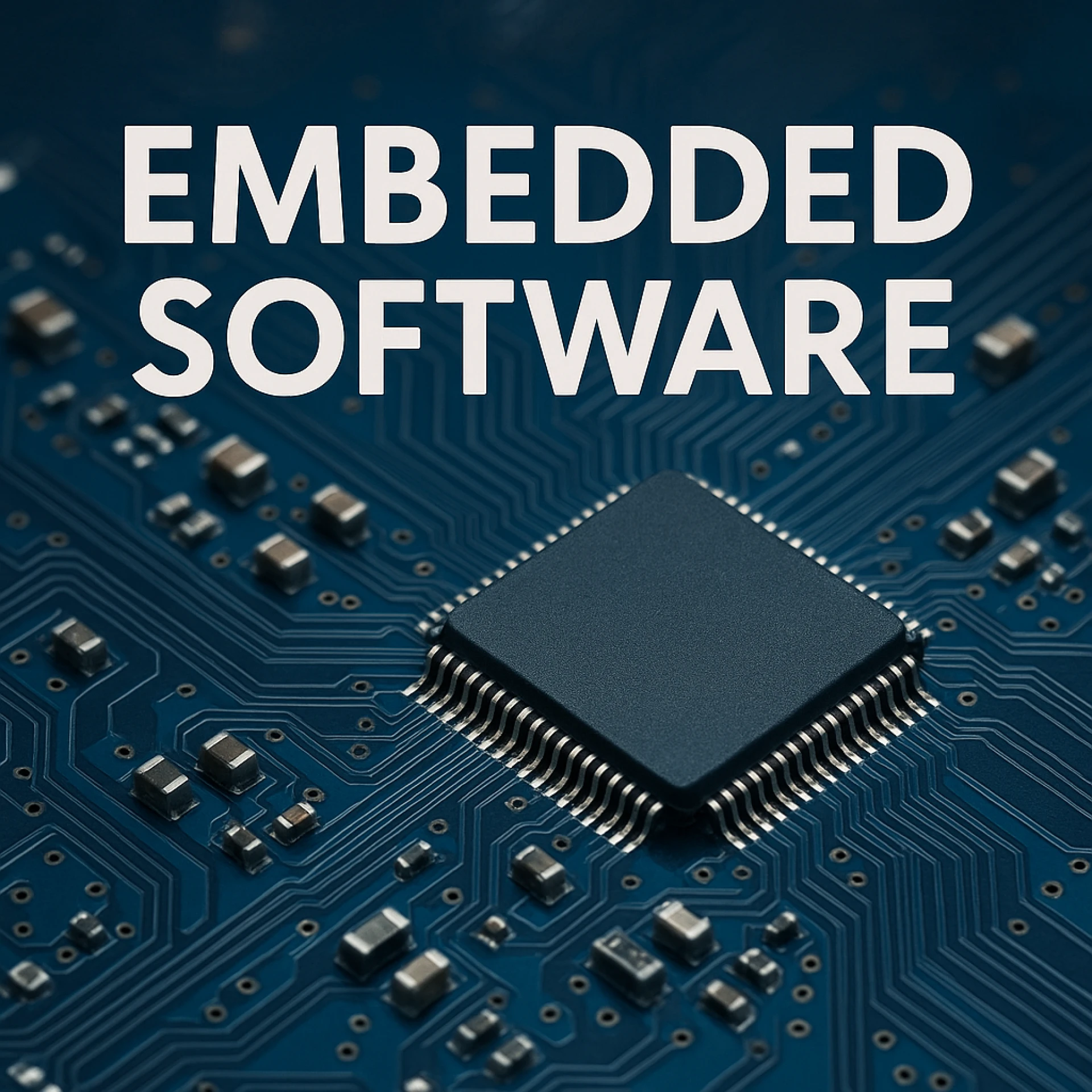

In a world driven by intelligent systems, embedded software has emerged as a silent powerhouse, fueling everything from wearable health monitors to industrial automation systems. It’s no longer just about making devices work; it’s about enabling smart, connected, and adaptive systems that are reshaping how we live, work, and innovate.
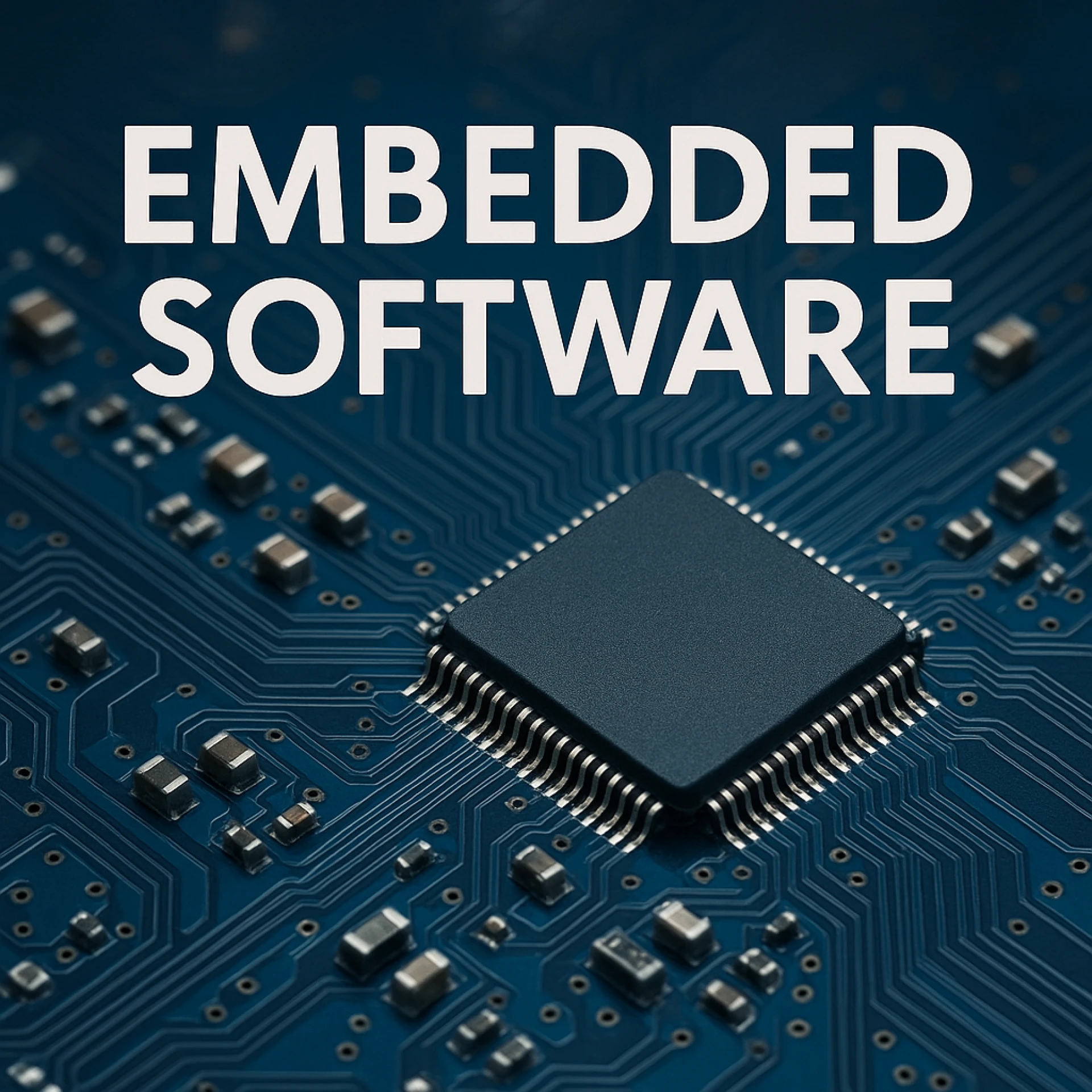
Whether in smart homes, autonomous vehicles, or factory robots, embedded software plays a crucial role in powering devices that can sense, communicate, and make decisions. In this blog, we’ll explore how embedded software is unlocking innovation in the Internet of Things (IoT) and pushing the boundaries of what's possible in modern technology.
What Is Embedded Software?
At its core, embedded software refers to computer programs that are specifically designed to operate hardware systems. Unlike general-purpose software, which runs on PCs or servers, embedded software is tightly integrated into the hardware it controls. It typically runs on microcontrollers or microprocessors and is optimized for speed, memory efficiency, and reliability.
These programs are responsible for executing tasks such as sensing environmental data, controlling actuators, communicating with networks, and making real-time decisions.
Embedded Software and the Internet of Things (IoT)
The IoT is made up of billions of interconnected devices—from home thermostats to industrial sensors—that collect, process, and share data. But none of this would be possible without embedded software. It acts as the brain inside each "thing," ensuring that the hardware behaves intelligently and communicates effectively.
Here’s how embedded software enables innovation across IoT environments:
1. Real-Time Responsiveness
Many IoT devices operate in time-sensitive conditions. Embedded software ensures real-time processing so that systems can respond instantly—whether it's a medical alert system detecting a fall or a car sensor identifying a collision.
2. Low Power Consumption
For battery-operated devices, power efficiency is critical. Smart embedded software manages tasks such as sleep modes and power-saving protocols, helping extend device lifespan without compromising performance.
3. Security and Reliability
In a connected ecosystem, every device is a potential entry point for threats. Embedded software is the first line of defense—managing encrypted communication, access controls, and firmware updates.
4. Edge Computing Capabilities
With the rise of edge computing, embedded software is now responsible for processing data closer to the source. This reduces latency, eases network loads, and supports faster decision-making in mission-critical applications.
Beyond IoT: Broader Applications of Embedded Software
While IoT is a major driver, embedded software extends its impact to several other domains:
- Automotive: From engine control to infotainment systems and ADAS (Advanced Driver-Assistance Systems), embedded software enables smarter, safer, and more efficient vehicles.
- Healthcare: Devices like insulin pumps, pacemakers, and diagnostic machines rely on embedded software to deliver precise and reliable performance.
- Consumer Electronics: Smart TVs, gaming consoles, and even washing machines use embedded software to offer personalized experiences and automation.
- Aerospace and Defense: High-reliability systems demand robust embedded software for navigation, communication, and mission-critical decision-making.
The Future of Embedded Software
As industries embrace AI, machine learning, and 5G connectivity, the expectations from embedded software are rapidly evolving. Future applications will require software that is not just functional, but also adaptive, intelligent, and upgradable over-the-air (OTA).
Key trends include:
- Integration with AI at the edge
- Growth in containerized embedded systems
- Adoption of open-source real-time operating systems (RTOS)
- Enhanced focus on cybersecurity and compliance
Final Thoughts
Innovation today demands systems that are fast, flexible, and future-ready. Embedded software is at the heart of this movement, quietly enabling breakthroughs across industries.
Whether it's a wearable that tracks your heart rate or an industrial sensor that predicts machine failure, the power lies in how well the embedded software is written, optimized, and integrated.
In the ever-connected world of IoT and beyond, investing in smarter embedded software isn’t just an option—it’s a necessity for staying ahead of the curve.
FAQs
Q1: What makes embedded software different from regular software?
A: Embedded software is designed to run on specific hardware with limited resources. It’s highly optimized, often runs in real-time, and is integral to the functioning of the hardware it’s built for.
Q2: Is embedded software important in IoT applications?
A: Absolutely. Embedded software is what gives IoT devices their intelligence, enabling them to collect data, make decisions, and communicate with other systems.
Q3: Can embedded software be updated?
A: Yes. Many modern systems support over-the-air (OTA) updates, allowing developers to push security patches and new features remotely.























Sign in to leave a comment.