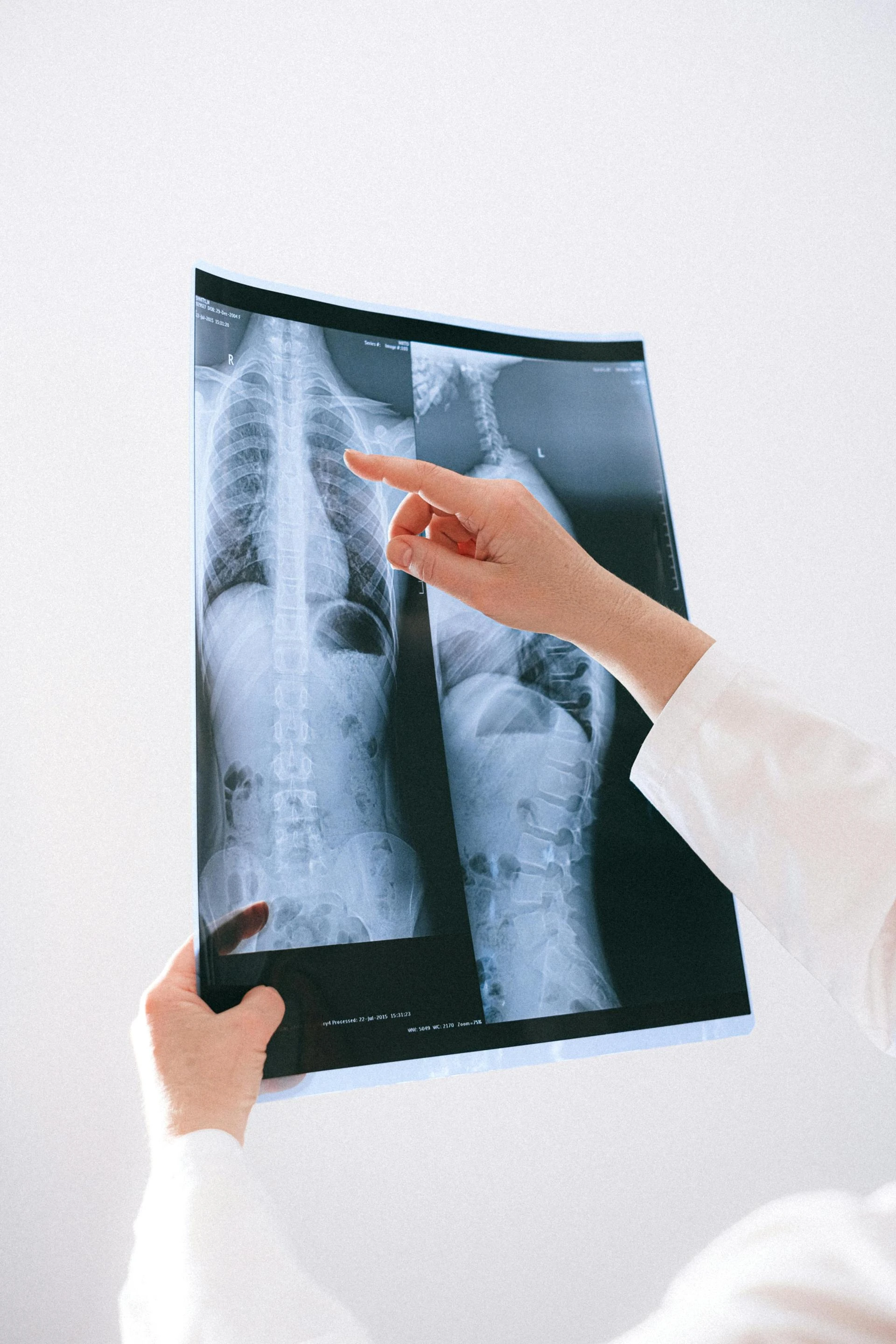

The field of radiology is constantly evolving, with new technologies and techniques emerging rapidly. For radiology professionals, staying current is not optional—it is essential for maintaining clinical competence and delivering high-quality patient care. Radiology continuing education plays a critical role in professional development, helping radiologists and technologists remain competitive and confident in their expertise.
Why Radiology Continuing Education Matters
Continuing education is far more than a regulatory requirement. It ensures that radiology professionals remain informed, skilled, and adaptable in a fast-changing healthcare environment. By actively participating in ongoing education, professionals can:
- Stay Updated: Keep pace with emerging imaging technologies, protocols, and diagnostic techniques.
- Enhance Skills: Strengthen existing competencies and acquire new clinical skills to improve diagnostic accuracy and patient outcomes.
- Maintain Accreditation: Meet certification and licensure renewal requirements set by governing bodies.
- Boost Career Prospects: Ongoing education demonstrates commitment to excellence and can open doors to advancement opportunities.
Navigating Continuing Education Requirements
Requirements for radiology continuing education vary depending on certifying organizations and state regulations. Typically, professionals must complete a specific number of continuing education credits within a defined cycle.
Accrediting Bodies
Organizations such as the American Registry of Radiologic Technologists (ARRT) generally require radiologic technologists to complete a designated number of continuing education credits every two years.
State Licensure
Some states impose additional licensure requirements that may align with or exceed national certification standards.
Specializations
Professionals specializing in areas such as MRI, CT, mammography, or interventional radiology may have additional credit or modality-specific education requirements.
The Benefits of Unlimited Access to Education
Many professionals choose platforms that offer unlimited course access for a fixed period. These programs provide several advantages:
- Flexibility: Study anytime and anywhere, making it easier to balance work and personal responsibilities.
- Diverse Course Options: Access a broad selection of topics tailored to various specialties and career goals.
- Cost-Effectiveness: A single subscription often costs less than purchasing individual courses separately.
- Immediate Application: Courses focused on current technologies allow professionals to apply new knowledge directly in clinical settings.
Accreditation and Its Importance
Accreditation ensures that continuing education courses meet established industry standards. Choosing accredited programs provides confidence that your education will be recognized by certifying bodies.
- Accreditation Status: Verify that both the provider and courses are approved by recognized organizations.
- Course Quality: Accredited programs are typically developed by experienced professionals and subject-matter experts.
- Regulatory Compliance: Accredited education ensures you meet renewal and compliance standards.
Future Trends in Radiology Education
As radiology advances, so does its educational landscape. Several emerging trends are shaping the future of radiology continuing education:
Technology Integration
Artificial intelligence and machine learning are increasingly incorporated into both imaging practices and educational content.
Virtual and Augmented Reality
These technologies create immersive training environments, enabling hands-on simulation without physical equipment.
Personalized Learning
Adaptive platforms tailor coursework to individual learning speeds and preferences, enhancing engagement and retention.
Global Collaboration
Online education platforms foster international knowledge exchange, broadening perspectives and professional networks.
Conclusion
Radiology continuing education is a cornerstone of professional excellence in medical imaging. By selecting high-quality, accredited courses and staying proactive about evolving industry trends, professionals can maintain certification, strengthen expertise, and remain leaders in their field.
Whether your goal is to deepen existing knowledge or explore emerging technologies, continuing education provides the pathway forward. Investing in your professional growth today ensures long-term success in the dynamic and ever-advancing world of radiology.































Sign in to leave a comment.