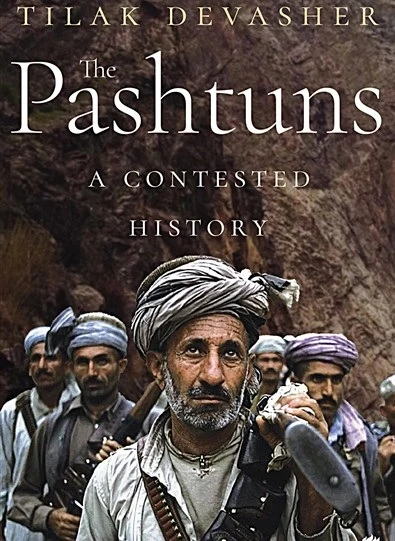

The Pashtuns, an ethnic group with a rich and complex history, have long been at the crossroads of geopolitical events in South Asia. In their vast homeland that stretches from the rugged peaks of the Hindu Kush to the banks of the Indus River, Pashtuns have endured centuries of turmoil, conflict, and shifting alliances. Yet, they remain one of the largest ethnic groups in the world without a nation-state to call their own.
Tilak Devasher, a veteran analyst with a deep understanding of the region's complexities, delves into this enigmatic history in his groundbreaking book, "The Pashtuns: A Contested History." This article explores the compelling narrative offered by Devasher's work, shedding light on the intricate tale of the Pashtun people, their struggles, and their enduring resilience.
Chapter 1: The Pashtuns - A Landscape of Diversity
Devasher begins his exploration of the Pashtun history by painting a vivid picture of the land they call home. The rugged terrain of the Hindu Kush and the fertile valleys along the Indus River serve as a backdrop to the intricate tale of the Pashtun people. This chapter lays the foundation for understanding the geographic, cultural, and ethnic diversity within the Pashtun homeland.
Chapter 2: The Pashtuns through the Ages
In this chapter, Devasher takes readers on a journey through time, tracing the history of the Pashtuns from ancient origins to the present day. From their encounters with Alexander the Great to their roles in medieval empires, the Pashtuns have left an indelible mark on the pages of history. The chapter highlights the resilience and adaptability that have defined the Pashtun identity through centuries of change.
Chapter 3: The Great Game and Pashtun Realpolitik
"The Pashtuns: A Contested History" delves into the era of the Great Game, where imperial powers vied for control over Central Asia. The Pashtun region, strategically located between British India and Tsarist Russia, became a hotbed of intrigue and espionage. Devasher uncovers the complex web of alliances and rivalries that shaped Pashtun politics during this tumultuous period.
Chapter 4: Pashtuns and the Partition of India
The partition of India in 1947 brought profound changes to the subcontinent. For the Pashtuns, it meant the division of their homeland along the Durand Line, creating a boundary that would sow seeds of conflict for decades to come. This chapter explores the consequences of partition on Pashtun identity and politics, setting the stage for later developments.
Chapter 5: FATA - A Constitutional Black Hole
The Federally Administered Tribal Areas (FATA) of Pakistan have long been a focal point of Pashtun discontent. Devasher's book delves deep into this region, which was kept in a constitutional and informational black hole for decades. Here, readers gain insight into the unique governance structures and the historical context that led to FATA's isolation.
Chapter 6: Pashtuns in the Afghan Conflict
The Afghan conflict has played a pivotal role in Pashtun history. From the Soviet invasion in the 1980s to the US-led War on Terror, the Pashtun homeland has been a battleground for external powers. Devasher's book offers a nuanced analysis of how Pashtuns on both sides of the border have been affected by these conflicts, and how their allegiances have shifted over time.
Chapter 7: The 2018 Pashtun Tahafuz Movement
In 2018, the extra-judicial killing of a Pashtun youth ignited widespread protests, marking a turning point in Pashtun activism. This chapter explores the Pashtun Tahafuz Movement (PTM), a grassroots movement that emerged as a powerful voice for Pashtun rights. Devasher provides valuable insights into the grievances that led to the PTM's rise and its implications for regional politics.
Chapter 8: The Future of the Pashtuns
As the geopolitical landscape of South Asia undergoes significant shifts, the future of the Pashtuns remains uncertain. Devasher's book concludes with a thoughtful exploration of the potential trajectories for the Pashtun people. Will they continue to be a contested group, caught in the crossfire of regional powers, or will they find a path towards greater autonomy and self-determination?
Chapter 9: The Broader Geopolitical Implications
Beyond its profound impact on the Pashtun people, the Pashtun question carries significant geopolitical implications. This chapter delves into how the Pashtun issue has played a role in the broader regional dynamics, including the relationships between Afghanistan, Pakistan, and other neighboring countries. Devasher's meticulous analysis provides readers with a comprehensive understanding of how the Pashtun question influences regional politics and security.
Chapter 10: International Perspectives and Involvement
"The Pashtuns: A Contested History" also explores the role of international actors in Pashtun affairs. From the United States to China, foreign powers have had a vested interest in the region, and this chapter examines how their policies and interventions have shaped Pashtun history and the broader geopolitical landscape. Understanding these external influences is crucial for comprehending the complexities of Pashtun dynamics.
Chapter 11: Pashtun Identity and Cultural Richness
Throughout their tumultuous history, the Pashtuns have maintained a strong sense of identity and cultural richness. Devasher's book takes a moment to celebrate the vibrant Pashtun culture, which includes music, poetry, and a rich oral tradition. This chapter provides a glimpse into the cultural resilience that has sustained the Pashtun people through centuries of challenges.
Chapter 12: Toward a Resilient Future
In the final substantive chapter, Devasher outlines potential paths toward a more resilient and prosperous future for the Pashtun people. He explores the possibilities of greater autonomy, reconciliation efforts, and the role of civil society in shaping a positive future. This chapter offers hope for the Pashtun community and the broader region, presenting avenues for peaceful coexistence and progress.
Conclusion: Unraveling the Contested History of the Pashtuns
In conclusion, "The Pashtuns: A Contested History" by Tilak Devasher is a monumental work that unravels the intricate tapestry of Pashtun history, politics, and culture. It goes beyond being a history book; it serves as a critical resource for scholars, policymakers, and anyone interested in understanding the complexities of South Asia's geopolitical landscape.
Devasher's extensive research, balanced analysis, and nuanced storytelling provide readers with a comprehensive and empathetic perspective on the Pashtun people. This book not only sheds light on their historical struggles but also holds a mirror to the challenges faced by ethnic and marginalized communities around the world.
As we navigate an ever-changing world, "The Pashtuns: A Contested History" reminds us of the enduring importance of understanding the historical context that shapes our present and future. By subscribing to our newsletter, you can stay updated with the latest insights and discussions surrounding this vital book and other critical issues that impact our global society.






















Sign in to leave a comment.