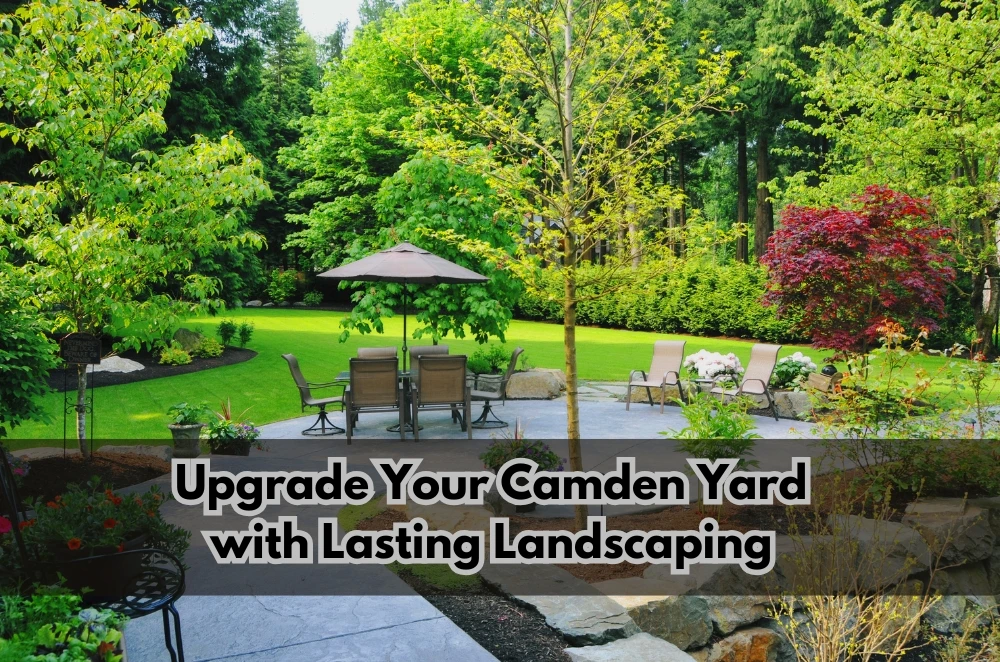

Camden’s gardens are shifting with the climate and the way locals actually live outdoors. Smaller lawns, tougher natives, and smart irrigation are replacing thirsty, high-gloss showpieces. Start by mapping sun, wind, privacy, and the paths people already take; design follows function. Honest materials matter—recycled timber, stone, and galvanised steel that wear in, not out. Lighting should serve movement and meals, not flood the whole yard. Hire a professional landscaper Camden families trust. Choosing a trusted landscaper keeps budgets grounded, plants alive, and drainage working when summer storms punch through. Stage the build in sensible steps so cash flow isn’t stressed and every layer adds value without rework. That’s the brief we back, season after season here.
What matters most before you design?
Start with constraints, soil, access, and actual use. Nail those early, and the finish choices fall into place.
We map movement first: entries, bins, pets, prams, and how people drift between the kitchen and table. Levels and services come next set falls, protect tree roots, plan lighting conduits before concrete cures. Materials should be honest and hard-wearing: recycled hardwood for warmth, galvanised steel for edges, textured concrete or compacted gravel underfoot. Keep the palette lean so foliage, shadow, and bark texture do more of the talking. Plant structure matters: tall screens for privacy, mid-storey habitat plants for life, groundcovers to choke weeds. Budget goes to invisible essentials, sub-base work and drainage — before statement pieces: finish lighting where it earns its keep, steps, paths, and the social hub.
• Map circulation before picking materials
• Allocate budget to sub-base and drainage
• Use region-fit plants for structure
For year-round ease, we anchor plans around low-maintenance native gardens, westringia, lomandra, banksia, and grevillea for texture, bird life, and resilience without constant tending.
How do we keep water use low?
Design to capture, slow, and soak—then water only at the roots. That’s the game.
Hard surfaces and roofs should feed rain gardens or discreet tanks, taking pressure off storm drains and turning downpours into a resource. Group plants by thirst so drippers can run short, targeted sessions under 75–100 mm of chunky mulch. Permeable bases beneath pavers reduce glare and allow water to seep back into the soil. Lawns stay modest and tough—zoysia or couch—framed by deep beds that protect irrigation lines and keep feet off wet ground. Soil improvement beats gadgetry: compost for structure, wetting agents for hydrophobic patches, and seasonal top-ups to keep microbial life humming.
• Run drippers under breathable mulch
• Group planting by similar thirst
Set timers to be boringly efficient and back them with rain or moisture sensors so the system skips wet weeks without fuss. Water at dawn or late evening to trim evaporation and reduce fungal pressure.
What’s the takeaway for Camden Yards?
Great gardens aren’t lucky; they’re tuned to climate, block realities, and daily life. Start small if needed, but start right.
Resolve the unglamorous pieces first—levels, access, services, drainage—then commit to a compact material palette and drought-tolerant planting that rides heat and wind without constant rescue. Aim for spaces that flex: a quiet weekday coffee corner that morphs into a weekend cook-up without extra clutter. Adjustable shade, seating that doesn’t need cushions, and paths that don’t pond after summer storms all pull their weight. If you’re testing ideas that fit Camden’s conditions, layered natives, shaded social nooks, and irrigation that quietly does its job—spend a moment with Camden landscaping trends.


























Sign in to leave a comment.