
Your website or app is often the first interaction customers have with your brand. Before they read your content, speak to your sales team, or trust your product, they judge your business by how easy, clear, and pleasant your digital experience feels. This is exactly where a UX/UI designer plays a critical role.
Many businesses still confuse UI and UX design or underestimate their impact. This guide breaks down what UX/UI designers do, why they matter, and how they directly affect business growth.
What Is a UX/UI Designer?
A UX/UI designer focuses on creating digital experiences that are both user-friendly and visually effective.
- UX (User Experience) Design is about how it works
- UI (User Interface) Design is about how it looks
Together, they ensure users can navigate your website or app effortlessly while feeling confident, engaged, and motivated to take action.
UX Design Explained: The Business Side of User Experience
UX design focuses on solving user problems while supporting business goals.
Key UX Responsibilities:
- User research & behavior analysis
- Understanding customer pain points
- Creating user journeys and flows
- Structuring information clearly
- Improving usability and accessibility
Why UX Matters for Businesses:
- Reduces user frustration
- Increases conversions and retention
- Lowers support and bounce rates
- Improves customer satisfaction
A strong UX design ensures users don’t feel lost, confused, or overwhelmed—leading to better engagement and trust.
UI Design Explained: Visual Impact That Builds Trust
UI design transforms UX strategy into a polished, professional interface.
Key UI Responsibilities:
- Layout design and visual hierarchy
- Typography and color systems
- Buttons, icons, and interactions
- Brand consistency across screens
- Responsive design for all devices
Why UI Matters for Businesses:
- Creates strong first impressions
- Builds brand credibility
- Improves readability and clarity
- Encourages users to take action
People associate good design with trust. If your UI looks outdated or cluttered, users may doubt your product—even if it’s technically strong.
UX vs UI: What’s the Difference?
| UX Design | UI Design |
| Focuses on structure & usability | Focuses on visuals & aesthetics |
| Research-driven | Design-driven |
| Solves user problems | Enhances visual appeal |
| Improves flow & clarity | Improves engagement |
For businesses, both are equally important. A beautiful UI without UX fails. A solid UX without good UI struggles to convert.
How UX/UI Designers Help Businesses Grow
1. Improve Conversion Rates
Clear navigation, strong CTAs, and intuitive layouts guide users toward actions like sign-ups, purchases, or inquiries.
2. Build Customer Trust
Professional design signals reliability, credibility, and attention to detail.
3. Reduce User Drop-Off
Users leave when they’re confused. UX/UI design removes friction from the journey.
4. Strengthen Brand Identity
Consistent visuals and tone create a memorable brand experience.
5. Save Long-Term Costs
Good design reduces redesigns, fixes, and customer support issues later.
When Does a Business Need a UX/UI Designer?
You should consider a UX/UI designer if:
- Users are leaving your website quickly
- Your app gets negative usability feedback
- Conversion rates are low
- Your design feels outdated
- Your product is hard to understand
- You’re launching a new website or app
Design isn’t decoration—it’s problem-solving.
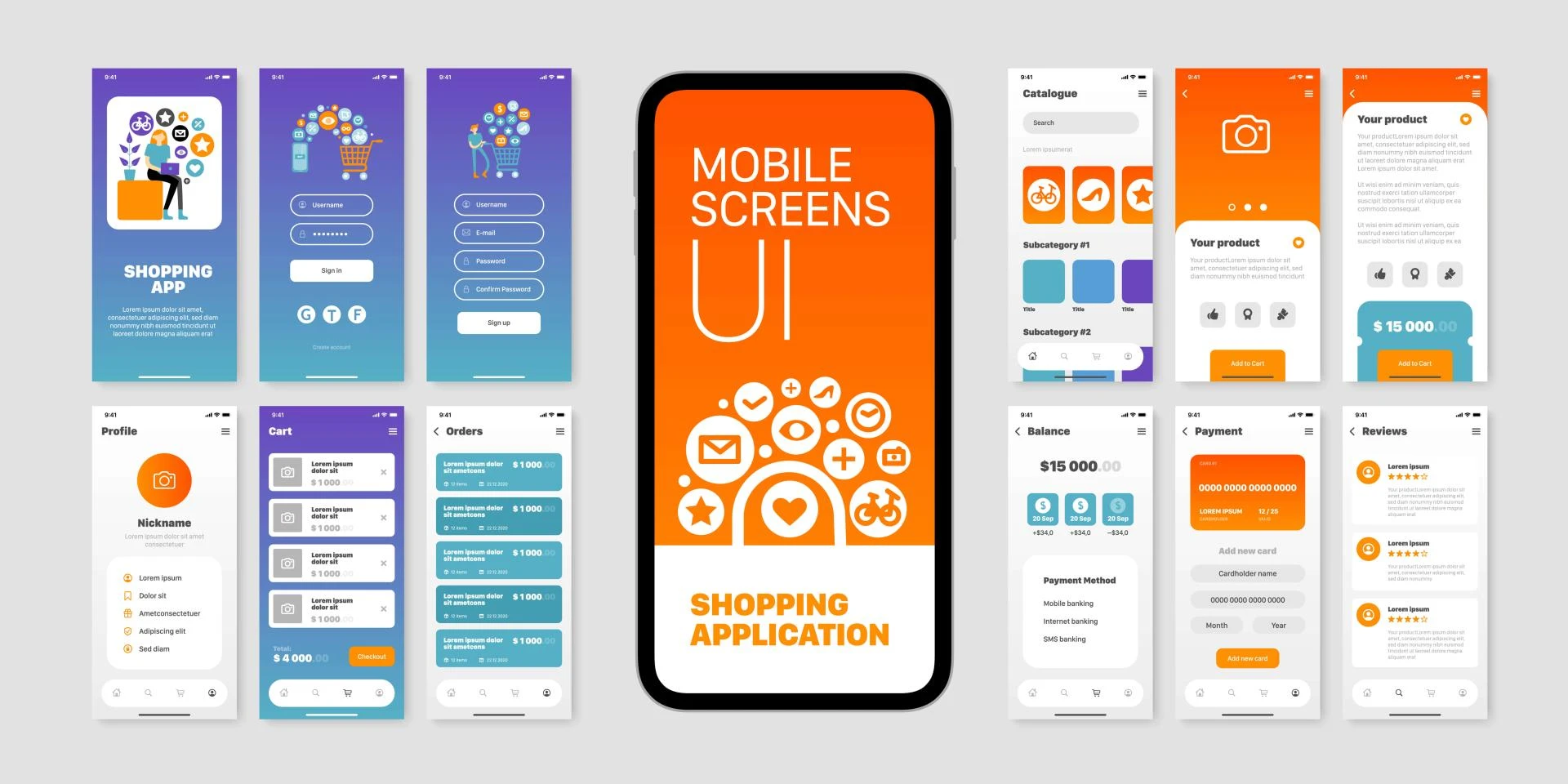
UX/UI Design for Websites vs Mobile Apps
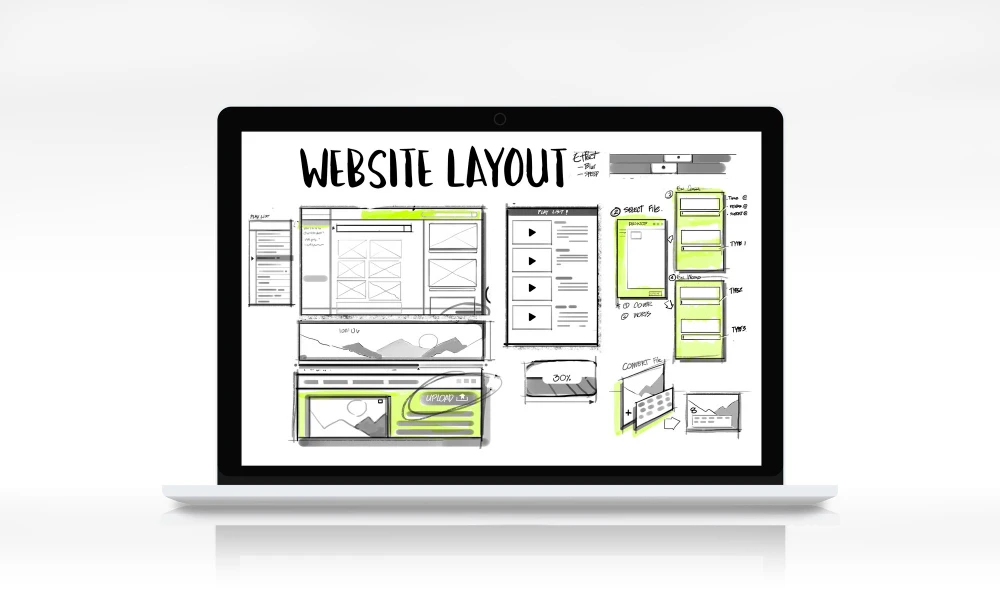
Website Design Focus:
- Clear navigation
- Fast loading
- SEO-friendly structure
- Desktop and mobile responsiveness
Mobile App Design Focus:
- Thumb-friendly layouts
- Simple onboarding
- Smooth interactions
- Performance-focused UI
A professional UX/UI designer adapts strategies based on the platform and audience behavior.
Common Business Mistakes Related to UX/UI
- Treating design as “just visuals”
- Copying competitors without research
- Ignoring real user feedback
- Prioritizing features over clarity
- Skipping usability testing
These mistakes often lead to lost revenue and poor user retention.
How to Choose the Right UX/UI Designer for Your Business
Look for someone who:
- Understands business goals, not just design tools
- Has real case studies and results
- Communicates clearly with stakeholders
- Designs based on user data
- Thinks long-term, not just aesthetics
The best designers act as strategic partners, not just creators.
The ROI of UX/UI Design for Businesses
Businesses that invest in UX/UI design often see:
- Higher engagement
- Increased sales
- Stronger brand loyalty
- Better customer feedback
- Faster product adoption
Design directly impacts how users feel, behave, and decide.
Conclusion:
A UX/UI designer is not a luxury—it’s a growth driver. In a competitive digital landscape, users expect clarity, speed, and ease. Businesses that deliver seamless experiences win trust faster and convert better.
If your website or app isn’t performing the way it should, the issue often isn’t your product—it’s the experience around it. Investing in professional UX/UI design means investing in long-term business success.
Sign in to leave a comment.