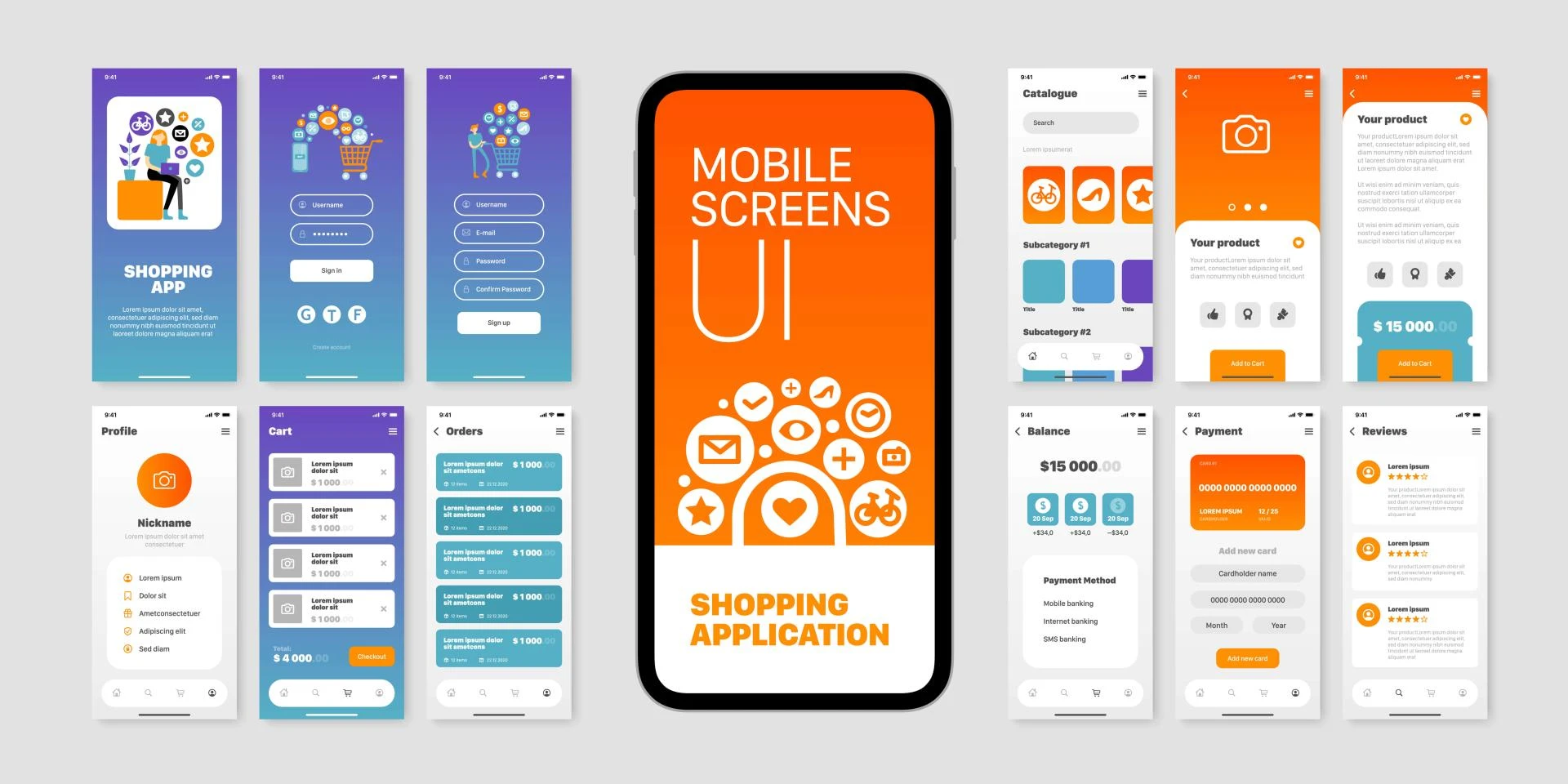

Whitespace, also known as negative space, is one of the most underestimated elements in web design. It refers to the empty space between design elements, such as images, text, and graphics. While it may seem counterintuitive, using whitespace effectively can significantly enhance user experience, improve readability, and create a visually appealing layout.
In this article, we’ll explore the importance of whitespace in web design and how to leverage it for maximum impact.
What is Whitespace?
Whitespace doesn’t literally mean “white.” It refers to any area of a web page that is free of text, images, or graphics. This includes:
- Margins and Padding: Space around and inside elements.
- Line Spacing: Space between lines of text.
- Gutters: Space between columns in a grid layout.
Why is Whitespace Important?
1. Enhances Readability
Proper use of whitespace makes text easier to read and digest. Ample spacing between lines, paragraphs, and margins allows the user’s eyes to move smoothly across the content.
Example: News websites like The New York Times use generous line spacing and margins to present large blocks of text in a readable format.
2. Improves Focus and Attention
Whitespace directs the user’s focus by highlighting important elements like call-to-action (CTA) buttons or headlines. A clutter-free design prevents distractions and emphasizes the key message.
Example: Apple’s website employs significant whitespace around product images and descriptions, drawing attention to each product’s unique features.
3. Creates a Sense of Sophistication
Minimalist designs with ample whitespace often convey a modern, high-end aesthetic. This can enhance the perceived value of your brand or product.
Example: Luxury brands like Chanel and Gucci use whitespace to exude elegance and exclusivity.
Types of Whitespace
1. Macro Whitespace
Macro whitespace refers to the large, noticeable gaps between major layout sections.
- Example: Space between the header, content, and footer.
- Use Case: Creates a sense of structure and balance.
2. Micro Whitespace
Micro whitespace is the small spacing between elements like text lines, buttons, or list items.
- Example: Padding inside a button or the gap between bullet points.
- Use Case: Improves readability and accessibility.
Best Practices for Using Whitespace
1. Prioritize Content Hierarchy
Use whitespace to emphasize the most critical elements in your layout. For example, leave ample space around headlines or CTAs to make them stand out.
Pro Tip: Surround CTAs with whitespace to draw the user’s eye naturally toward them.
2. Leverage Grid Systems
Grid systems help structure content consistently while maintaining adequate spacing between elements.
- Popular Frameworks: Bootstrap, Foundation.
- Benefit: Ensures a balanced layout and easy scalability.
3. Don’t Fear Large Gaps
Many designers hesitate to leave large empty spaces, fearing the design will look incomplete. However, strategic whitespace can create visual balance and reduce cognitive load.
Example: Websites like Medium use wide margins and generous line spacing to make reading a pleasant experience.
4. Combine Whitespace with Imagery
Pairing whitespace with high-quality images or illustrations creates a striking visual impact.
- Example: A hero image with ample whitespace around it can make a powerful first impression.
5. Use Whitespace for Mobile Optimization
On mobile devices, cluttered designs can overwhelm users. Whitespace ensures that elements are well-spaced, making navigation and interaction easier.
- Focus on: Larger touch targets, spaced-out buttons, and clean layouts.
Common Mistakes to Avoid
1. Overcrowding Content
Packing too many elements into a small space can overwhelm users and reduce usability.
2. Uneven Spacing
Inconsistent whitespace distribution can disrupt the flow of your design.
3. Ignoring Responsive Design
Whitespace should adapt to different screen sizes to maintain consistency and usability.
Tools to Help Optimize Whitespace
- Sketch/Figma: Design tools to experiment with spacing and layout.
- InVision: For prototyping and testing spacing in real-time.
- Adobe XD: Offers grid systems and responsive layout tools.
Conclusion
Whitespace is a powerful tool that can elevate your web design from cluttered to clean and professional. By understanding its role in enhancing readability, guiding focus, and creating balance, designers can craft engaging, user-friendly websites.



























Sign in to leave a comment.