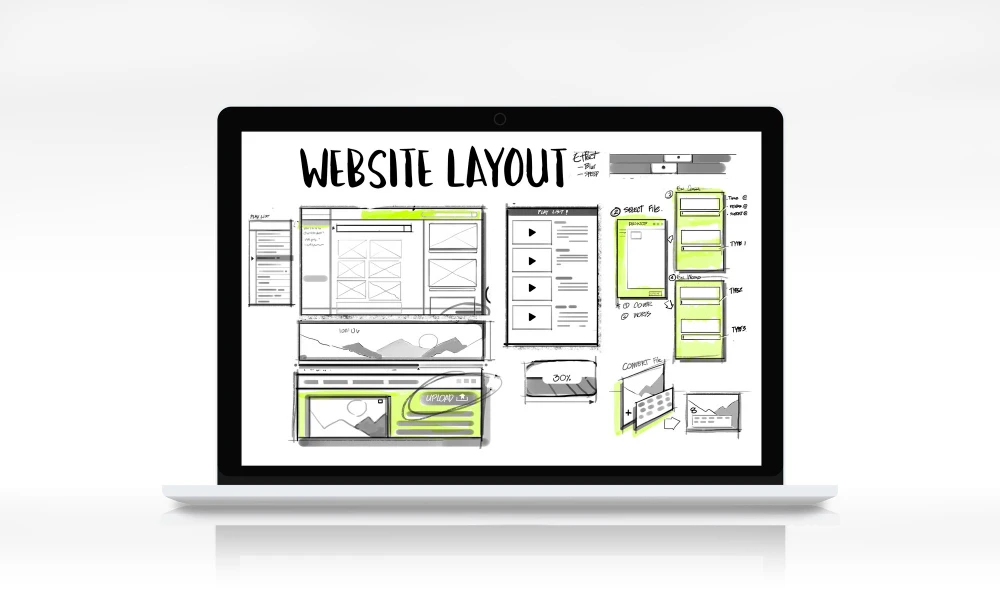

Creating stunning and user-friendly interfaces for web and mobile applications is a complex process that requires careful planning, creativity, and attention to detail. In this guide, we'll walk through the journey from initial wireframes to polished UI/UX designs, providing insights and best practices along the way.
1. Start with User Research and Analysis
Before diving into wireframes, it's crucial to understand your target audience and their needs. Conduct user research through surveys, interviews, and analytics to gather insights about user behavior, preferences, and pain points. This information will inform your design decisions throughout the process.
2. Create Low-Fidelity Wireframes
Wireframes are the skeleton of your design, focusing on layout and functionality without the distraction of visual details. Begin with rough sketches on paper or use digital tools to create low-fidelity wireframes. These should outline the basic structure of your app, including:
- Navigation elements
- Content areas
- Key features and interactions
Keep it simple at this stage, using placeholder text and basic shapes to represent different elements.
3. Refine with Mid-Fidelity Wireframes
Once you have a basic layout, move to mid-fidelity wireframes. These add more detail and accuracy to your designs, including:
- Actual content (headlines, body text)
- More precise sizing and spacing
- Basic interactive elements
Use grayscale to maintain focus on structure and avoid getting bogged down in color choices at this stage.
4. Conduct User Testing on Wireframes
Even at the wireframe stage, it's valuable to get user feedback. Create clickable prototypes of your wireframes and conduct usability tests to identify any issues with navigation, layout, or functionality. This early feedback can save time and resources by catching problems before you invest in high-fidelity designs.
5. Develop a Visual Style Guide
Before moving to high-fidelity designs, establish a visual style guide. This document will ensure consistency across your app and streamline the design process. Include:
- Color palette
- Typography choices
- Iconography style
- Button and form styles
- Spacing and layout guidelines
Your style guide should reflect your brand identity and appeal to your target audience.
6. Create High-Fidelity Mockups
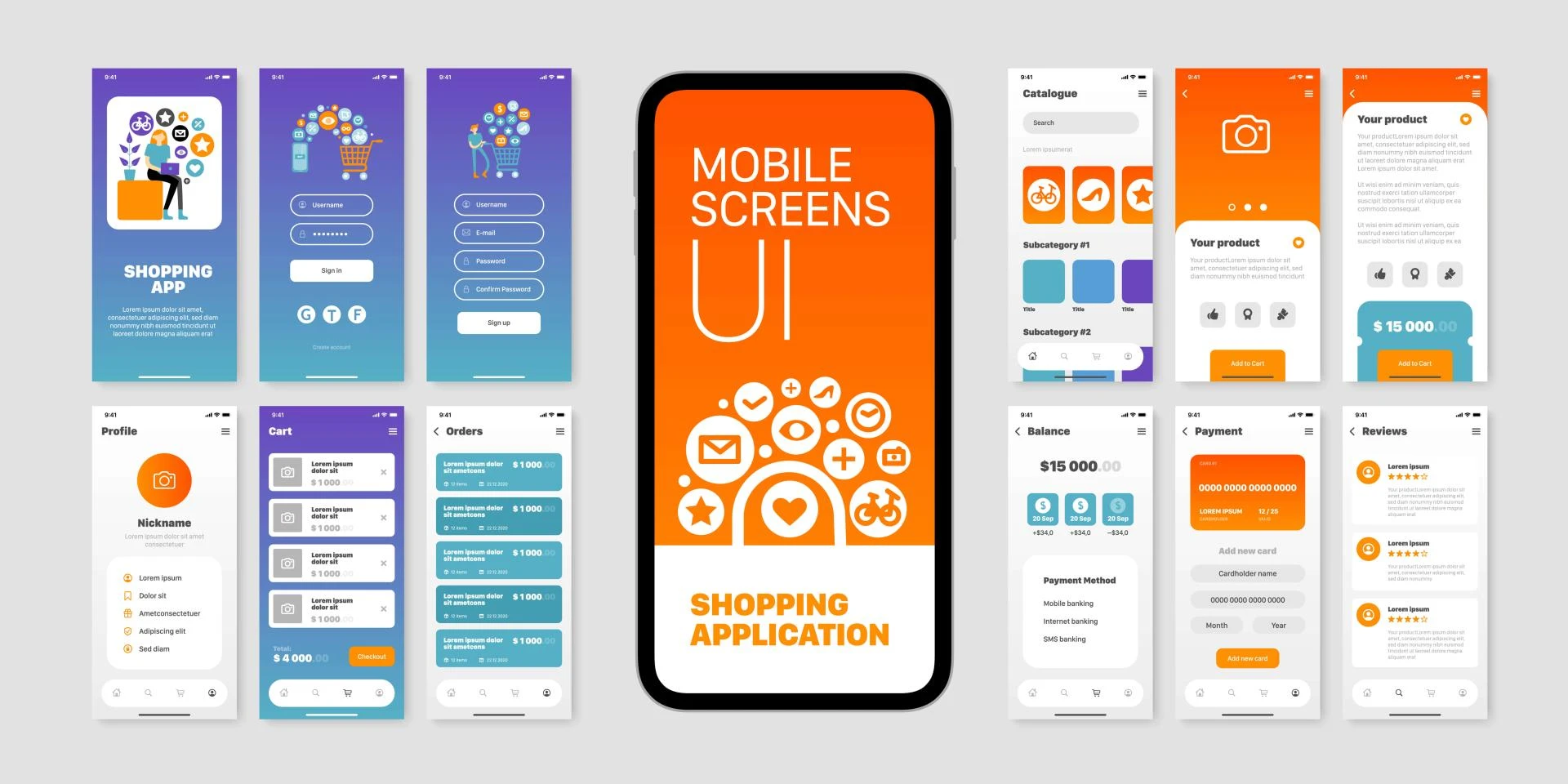
With your wireframes and style guide in hand, it's time to bring your designs to life. Use design software like Figma, Sketch, or Adobe XD to create detailed, pixel-perfect mockups. This stage involves:
- Applying your color palette
- Implementing typography
- Adding images and icons
- Refining layouts and spacing
- Designing custom UI elements
Pay close attention to visual hierarchy, ensuring that important elements stand out and information is easy to scan.
7. Design for Different States and Interactions
Remember that your app is not static. Design for various states and interactions, including:
- Hover states for buttons and links
- Active/selected states for navigation items
- Loading states for dynamic content
- Error states for form fields
- Empty states for lists or search results
These details contribute significantly to the overall user experience.
8. Optimize for Different Devices and Screen Sizes
In today's multi-device world, your design must be responsive. Create variations of your designs for different screen sizes, from large desktop monitors to small mobile phones. Consider how layouts will adapt and which elements may need to be hidden or rearranged on smaller screens.
9. Animate and Prototype
Bring your designs to life with animations and transitions. These not only add polish but can also improve usability by providing visual feedback and guiding users through tasks. Create interactive prototypes that simulate the actual app experience, including:
- Page transitions
- Micro-interactions (e.g., button presses, toggles)
- Loading animations
- Scrolling effects
Tools like Principle, Framer, or built-in prototyping features in your design software can help with this step.
10. Conduct Thorough Usability Testing
With your high-fidelity prototypes ready, it's time for another round of user testing. Recruit participants who match your target audience and observe them as they interact with your prototype. Pay attention to:
- Task completion rates
- Time spent on tasks
- Error rates
- User satisfaction
Use these insights to refine your designs further.
Best Practices Throughout the Process:
- Maintain consistency: Use your style guide and design system to ensure a cohesive look and feel across your app.
- Prioritize accessibility: Consider users with disabilities by following WCAG guidelines for color contrast, text size, and keyboard navigation.
- Keep it simple: Avoid cluttered interfaces. Every element should serve a purpose and contribute to the user's goals.
- Use familiar patterns: While innovation is good, using established UI patterns can make your app more intuitive for users.
- Design for performance: Consider how your design choices impact load times and app performance.
- Communicate effectively: Use clear, concise language in your interface and provide helpful feedback to users.
Conclusion:
The journey from wireframes to polished UI/UX designs is a multifaceted process that requires a blend of creativity, technical skill, and user empathy. By following this step-by-step guide and adhering to best practices, you can create beautiful and functional interfaces that delight users and achieve your app's goals. Remember that great design is iterative – be prepared to test, learn, and refine your work continuously based on user feedback and changing needs.
Devoq Design is a leading UI/UX design agency with a strong presence in both Whyalla and Murray Bridge. As a premier UI/UX design agency in Whyalla, Devoq Design is dedicated to creating visually appealing and user-friendly digital experiences that cater to the specific needs of local businesses. Similarly, as a top UI/UX design agency in Murray Bridge, Devoq Design excels in delivering innovative design solutions that enhance user engagement and satisfaction. With a team of skilled designers committed to excellence, Devoq Design ensures that each project is customized to meet the unique requirements of their diverse clientele, driving growth and success in both regions.























Sign in to leave a comment.