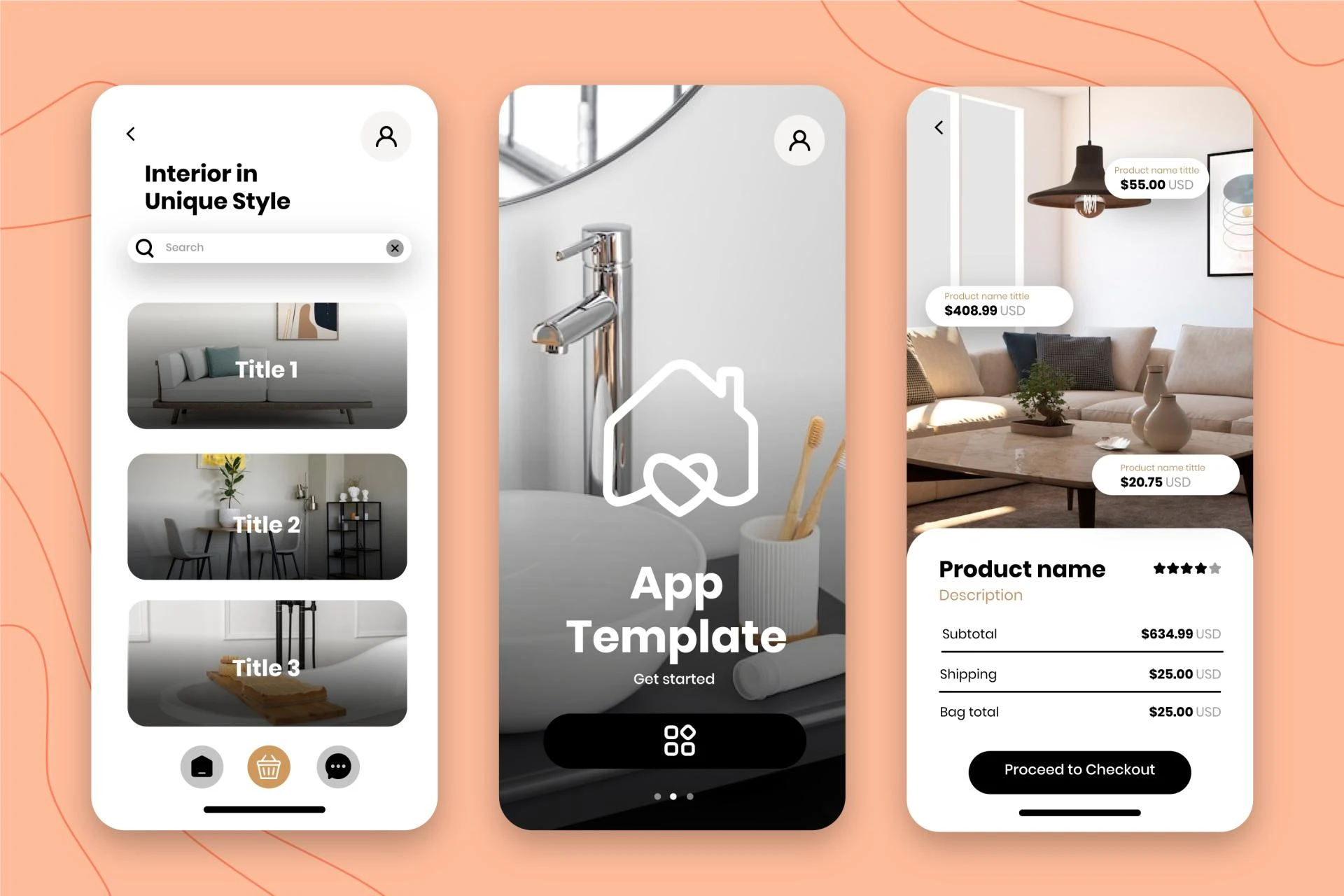

Building an app without proper product design is one of the biggest mistakes startups and businesses make. Many apps fail not because of poor development, but because they skip essential product design planning.
Before writing a single line of code, it’s crucial to define how your app will solve real user problems, deliver value, and create a smooth experience. This is where product design plays a vital role.
Let’s explore the product design essentials you must focus on before starting app development.
Why Product Design Comes Before App Development
Product design helps you understand:
- What problem your app solves
- Who your users are
- How users will interact with your app
Without a strong design foundation, you risk building features no one needs or understands.
Good product design saves:
- Time
- Money
- Rework costs
It ensures your app is built right from the start.
1. Clearly Define the Problem You’re Solving
Every successful app starts with a clear problem statement.
Ask yourself:
- What user pain point am I addressing?
- Why does this problem matter?
- How is my solution different?
Avoid building features just because competitors have them. Focus on real user needs.
2. Identify Your Target Users
You can’t design for everyone.
Create user personas that define:
- User goals
- Behavior patterns
- Pain points
- Technical comfort level
Understanding your audience helps you design an app that feels intuitive and relevant.
3. Research the Market & Competitors
Market research helps you avoid guesswork.
Study:
- Competitor apps
- Industry trends
- User reviews and complaints
This reveals what works, what doesn’t, and where your app can stand out.
4. Define Your App’s Core Features
Not every idea belongs in version one.
Focus on:
- Essential features only
- Solving one problem well
- Building a strong MVP (Minimum Viable Product)
Simple apps with clear value convert better than complex ones.
5. User Experience (UX) Strategy Planning
UX design defines how users move through your app.
Key UX considerations:
- User flows
- Navigation structure
- Onboarding experience
- Error handling
Good UX reduces confusion and increases engagement.
6. Wireframing Before Visual Design
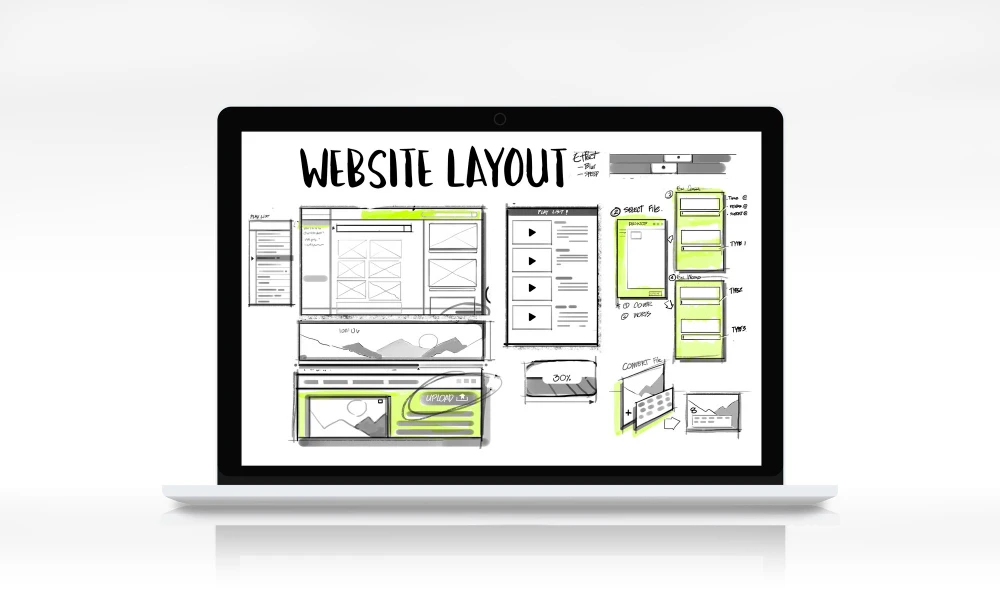
Wireframes are basic layouts showing:
- Screen structure
- Content placement
- User interactions
They help test ideas quickly and make changes before visual design and development begin.
Wireframing saves time and prevents costly redesigns later.
7. Information Architecture Matters
Information architecture ensures content is organized logically.
Users should:
- Find features easily
- Understand where they are
- Navigate without frustration
A clear structure improves usability and retention.
8. Visual Design with Purpose
Visual design is more than colors and fonts.
Effective UI design focuses on:
- Consistency
- Accessibility
- Readability
- Brand identity
Design should guide users—not distract them.
9. Design for Mobile-First Experience
Most apps are used on mobile devices.
Mobile-first product design ensures:
- Comfortable thumb navigation
- Clear touch targets
- Smooth interactions
Ignoring mobile usability leads to high drop-off rates.
10. Usability Testing Before Development
Testing early prevents failure later.
Usability testing helps:
- Identify user confusion
- Validate design decisions
- Improve flows and interactions
Even simple testing with real users can reveal major improvements.
11. Scalability & Future Growth Planning
Design with growth in mind.
Consider:
- Feature expansion
- New user types
- Platform upgrades
A scalable design avoids major redesigns as your app grows.
12. Align Design with Business Goals
Product design should support:
- Conversion goals
- User retention
- Monetization strategy
Design decisions must balance user needs and business objectives.
Common Mistakes to Avoid
- Skipping user research
- Designing without testing
- Overloading features
- Prioritizing visuals over usability
Avoiding these mistakes significantly increases your app’s success rate.
Conclusion:
Product design is not an optional step—it’s the foundation of successful app building.
By focusing on user needs, usability, and strategic planning before development, you create apps that people love to use and businesses trust to grow.
Before jumping into app building, invest in strong product design—it saves money, reduces risk, and increases success.





















Sign in to leave a comment.