
Getting visitors to your website is important—but converting them into leads, customers, or inquiries is what truly drives business growth. Many businesses invest in ads, SEO, and social media, yet overlook a crucial factor: web design.
Your website design directly influences how users feel, behave, and decide. A well-designed website guides users smoothly toward action, while poor design quietly pushes them away. Let’s explore the key web design focuses that help businesses boost website conversions effectively.
Why Web Design Matters for Conversions
Visitors form an opinion about your website in just a few seconds. During that time, design answers critical questions:
- Can I trust this business?
- Is this easy to use?
- Does this solve my problem?
If your website fails to communicate clarity and confidence, users leave—no matter how good your product or service is.
1. Clear Value Proposition
Your homepage must instantly communicate:
- What you offer
- Who it’s for
- Why it’s valuable
A strong headline, short supporting text, and relevant visuals help users understand your business without effort.
Best Practice:
Avoid generic phrases. Focus on outcomes and benefits your users care about.
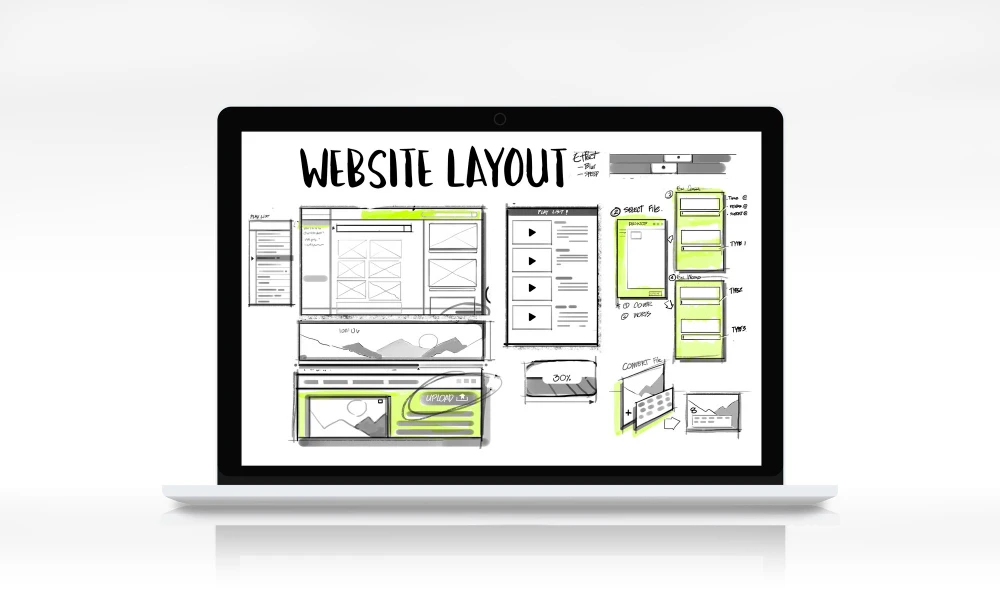
2. Conversion-Focused Layout & Visual Hierarchy
A cluttered layout overwhelms users and reduces engagement.
High-converting websites use:
- Clear content sections
- Proper spacing (whitespace)
- Logical content flow
Visual hierarchy helps guide users’ eyes toward key actions like buttons, forms, and contact sections.
3. Strong Call-to-Action (CTA) Design
CTAs are the bridge between interest and action.
Effective CTAs:
- Use action-oriented text
- Stand out visually
- Appear at the right moments
Examples include:
- “Get a Free Quote”
- “Book a Consultation”
- “Start Your Project”
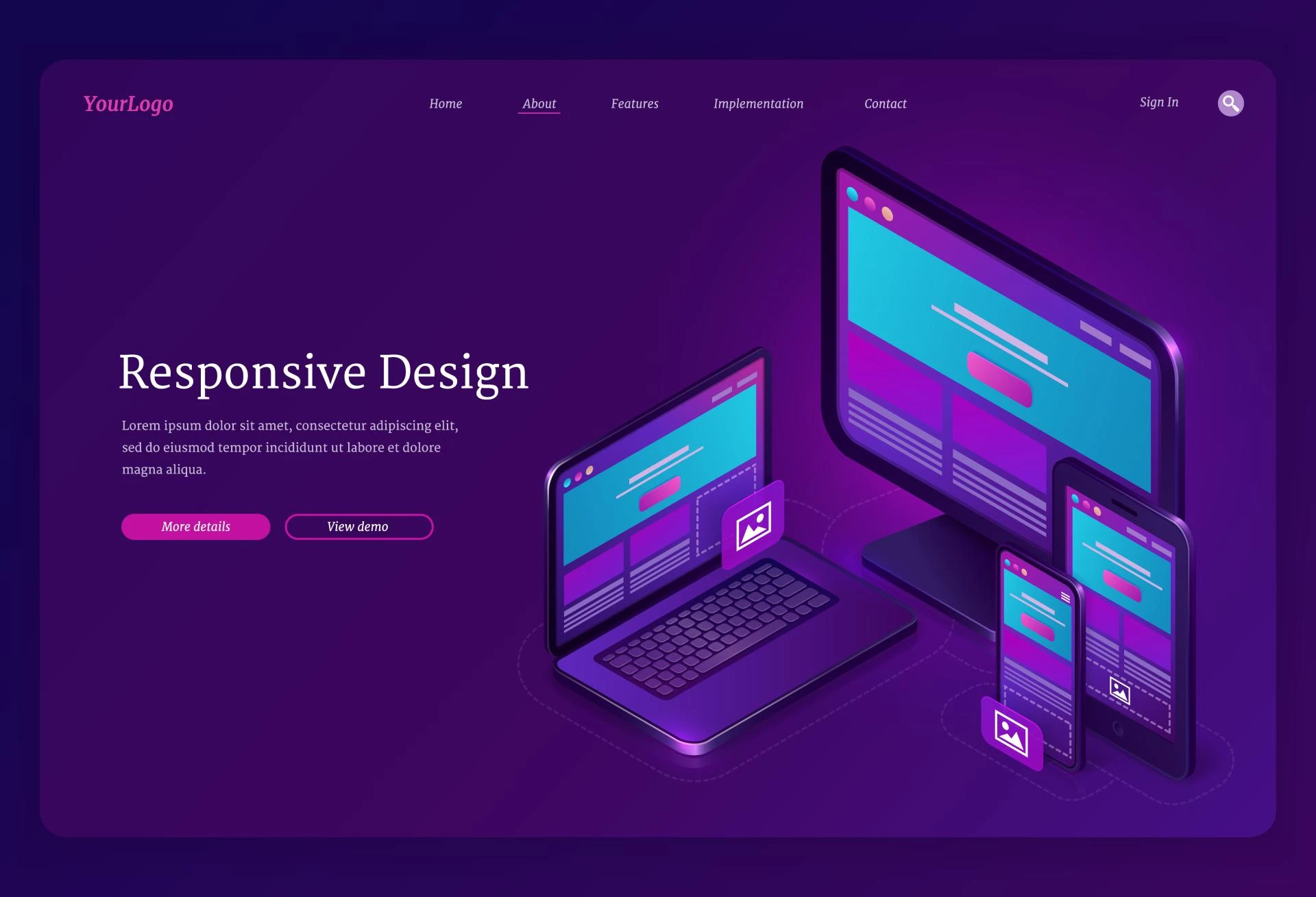
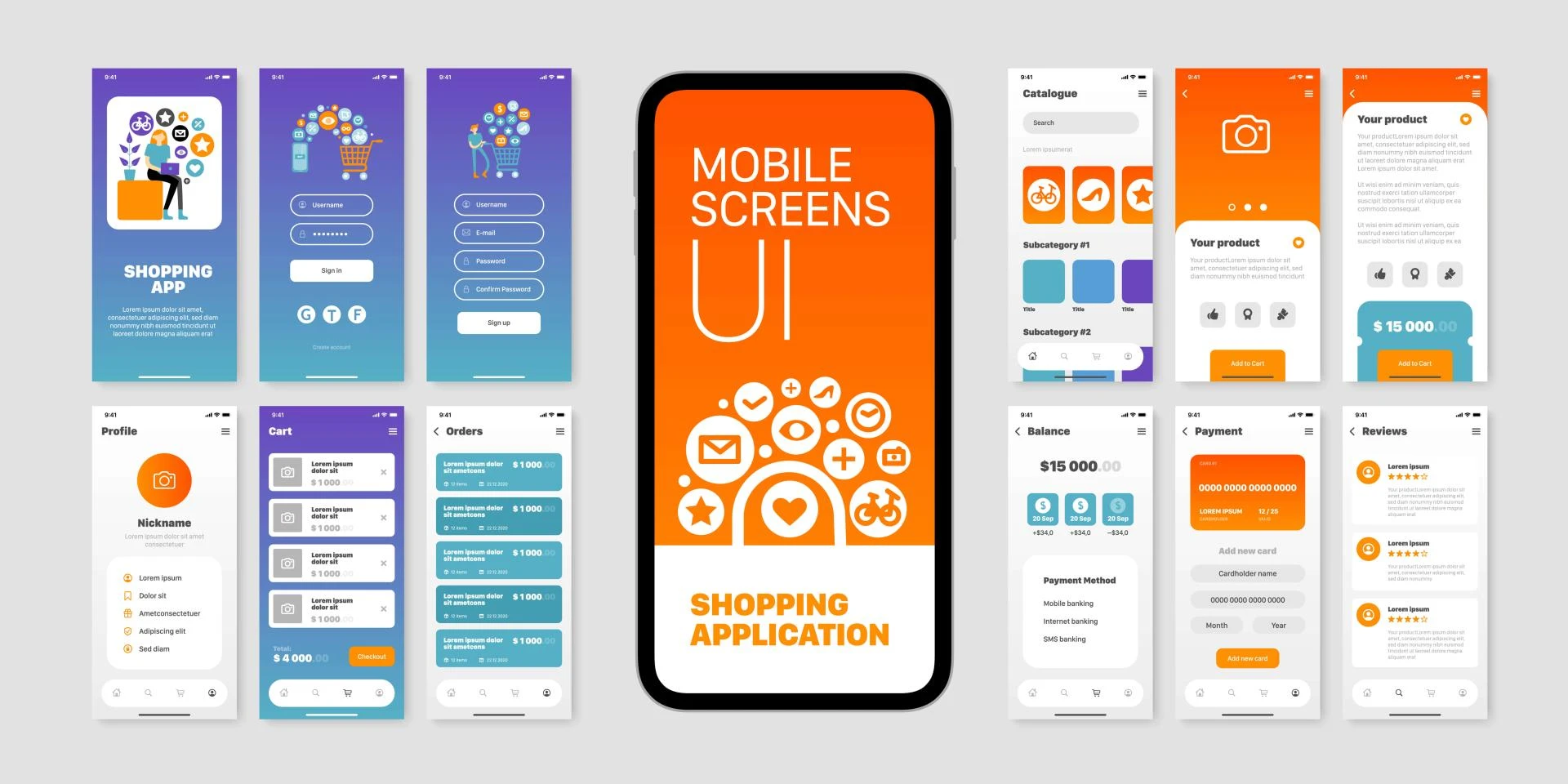
4. Mobile-First Web Design
A majority of users browse websites on mobile devices. If your site isn’t optimized for mobile, conversions drop immediately.
Mobile-friendly design ensures:
- Easy navigation
- Readable text
- Tap-friendly buttons
A responsive design improves both user experience and conversion rates.
5. Website Speed & Performance
Speed is a silent conversion killer.
Slow websites:
- Increase bounce rates
- Reduce trust
- Lower engagement
Optimized web design improves speed through:
- Lightweight layouts
- Optimized images
- Clean structure
Faster websites convert better—simple as that.
6. Simple Navigation Structure
Users should find what they need without thinking.
Good navigation:
- Uses clear menu labels
- Limits unnecessary options
- Highlights important pages
When navigation is intuitive, users stay longer and explore more—leading to higher conversions.
7. Trust-Building Design Elements
People don’t convert unless they trust you.
Trust-focused web design includes:
- Testimonials and reviews
- Client logos or case studies
- Clear contact information
- Professional and consistent visuals
Design credibility often matters more than written promises.
8. Optimized Forms for Lead Generation
Forms are where conversions happen—or fail.
High-converting forms:
- Ask only for essential information
- Use clear labels and spacing
- Feel quick and easy to complete
Reducing form friction significantly improves conversion rates.
9. Consistent Branding Across the Website
Inconsistent colors, fonts, or layouts create confusion.
Consistent branding:
- Builds recognition
- Improves trust
- Enhances professionalism
A unified design experience makes users feel comfortable taking action.
10. SEO-Friendly Web Design Supports Conversions
SEO and web design go hand in hand.
SEO-optimized design:
- Improves page structure
- Enhances readability
- Keeps users engaged
Better engagement signals help rankings and attract higher-intent traffic—users more likely to convert.
Common Web Design Mistakes That Reduce Conversions
- Too much content on one page
- Weak or hidden CTAs
- Poor mobile optimization
- Slow loading pages
- Confusing layouts
Fixing these issues often results in immediate performance improvements.
Web Design as a Business Growth Tool
Web design is not just about looking good—it’s about driving results.
Conversion-focused design helps businesses:
- Generate more qualified leads
- Improve ROI on marketing
- Build stronger brand trust
Your website should act as a digital salesperson, working 24/7 for your business.
Conclusion:
Boosting website conversions starts with smart web design decisions.
When your website is clear, fast, mobile-friendly, and user-focused, visitors feel confident taking action. In today’s competitive digital landscape, conversion-driven web design is essential—not optional.
If your website isn’t converting, it’s time to rethink your design strategy.




























Sign in to leave a comment.