

A beautiful website might catch attention, but pretty visuals alone don’t grow businesses. In today’s competitive digital space, your website must do more than look good—it must guide users, build trust, and drive real results.
If your website design focuses only on aesthetics without strategy, performance, and usability, you’re leaving money on the table. Let’s explore what your business website design truly needs to succeed beyond just visual appeal.
Why Visual Design Alone Isn’t Enough
Users don’t visit websites to admire layouts. They visit to:
- Find information
- Solve a problem
- Make a decision
If your website looks great but feels confusing, slow, or unclear, users will leave. Effective website design balances beauty with functionality.
1. Clear Purpose and Messaging
The first thing your website needs is clarity.
Visitors should instantly understand:
- What your business offers
- Who it’s for
- Why it matters
Strong headlines, concise messaging, and focused layouts help users connect with your brand quickly.
2. User-Centered Experience (UX)
Good website design is built around the user—not the designer.
A strong UX ensures:
- Easy navigation
- Logical content flow
- Minimal effort to complete tasks
When users feel comfortable, they stay longer and engage more.
3. Intuitive Navigation Structure
If users can’t find what they’re looking for, design fails.
Your website should:
- Use simple menu labels
- Limit navigation options
- Highlight key pages
Navigation should guide users naturally—not confuse them.
4. Performance and Speed Matter
Slow websites lose trust instantly.
Your website design must support:
- Fast loading times
- Optimized images
- Clean, efficient structure
Speed is part of user experience and directly affects conversions and SEO.
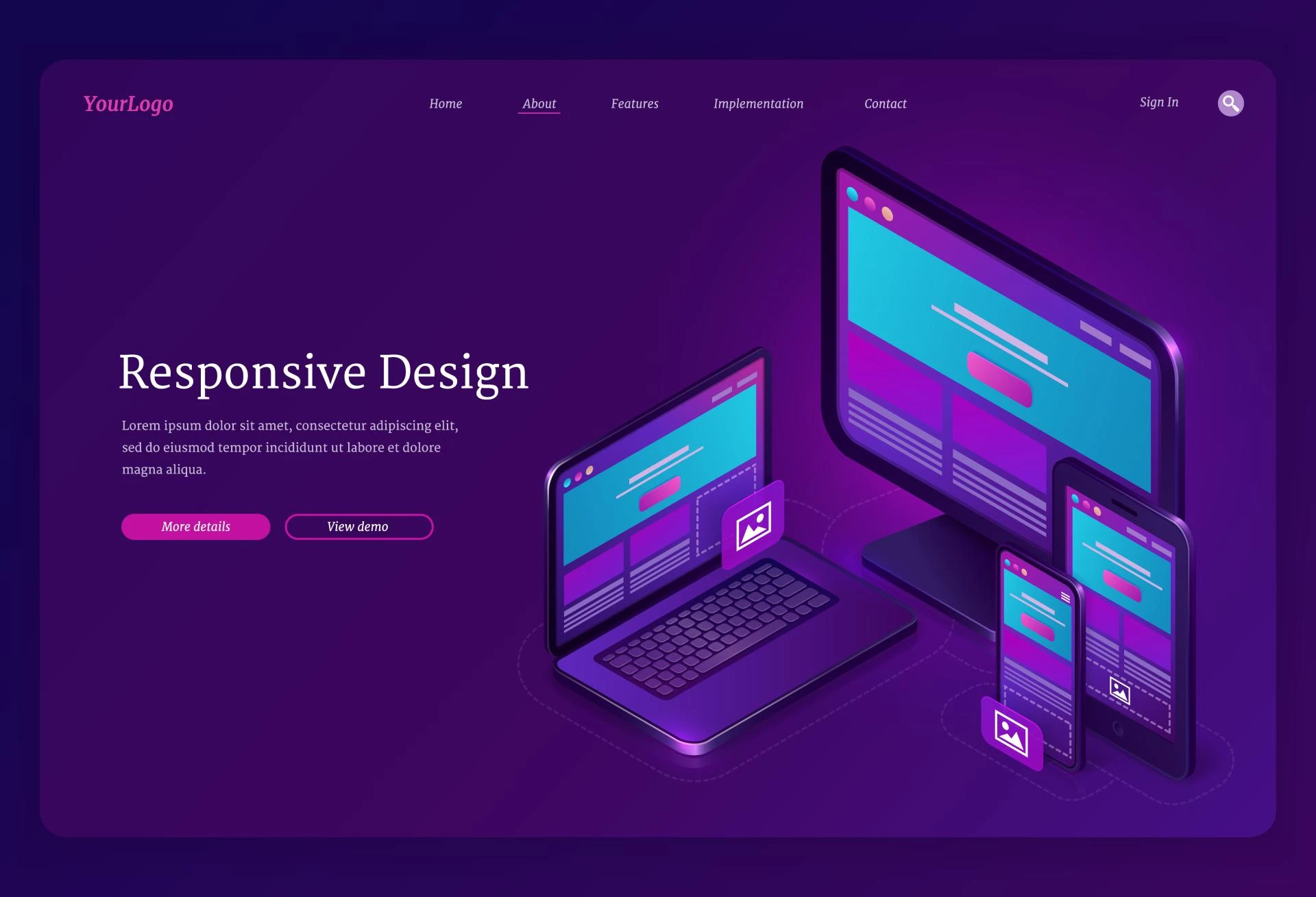
5. Mobile-First Design Is Essential
Most users browse on mobile devices.
Your website must:
- Adapt to all screen sizes
- Use readable typography
- Support touch-friendly interactions
A mobile-friendly website is no longer optional—it’s expected.
6. Conversion-Focused Design
Design should guide users toward action.
Effective websites:
- Highlight key CTAs
- Reduce distractions
- Simplify forms
Every element should support a business goal.
7. Trust Signals Build Confidence
Users won’t convert unless they trust you.
Your website design should include:
- Testimonials
- Social proof
- Clear contact details
- Professional visuals
Trust is built visually before it’s built verbally.
8. Consistent Branding Across Pages
Inconsistent design weakens credibility.
Strong branding includes:
- Consistent colors and fonts
- Unified visual style
- Clear brand voice
Consistency builds recognition and trust.
9. Accessibility for All Users
Good design is inclusive.
Your website should:
- Be readable for all users
- Use proper contrast
- Support accessibility standards
Accessible design improves usability and expands your audience.
10. SEO-Friendly Structure
Design and SEO go hand in hand.
Your website should:
- Use proper heading structure
- Load quickly
- Be easy for search engines to crawl
Good design improves both user experience and search rankings.
Design That Supports Long-Term Growth
A business website isn’t a one-time project. It’s a living digital asset.
When designed correctly, it:
- Scales with your business
- Adapts to user needs
- Continues generating value
Pretty designs fade. Strategic designs perform.
Conclusion:
Beyond pretty looks, your business website needs clarity, usability, performance, and strategy.
A truly effective website design:
- Guides users effortlessly
- Builds trust instantly
- Drives meaningful actions
When design serves both users and business goals, your website becomes a powerful growth engine—not just a digital brochure.





























Sign in to leave a comment.