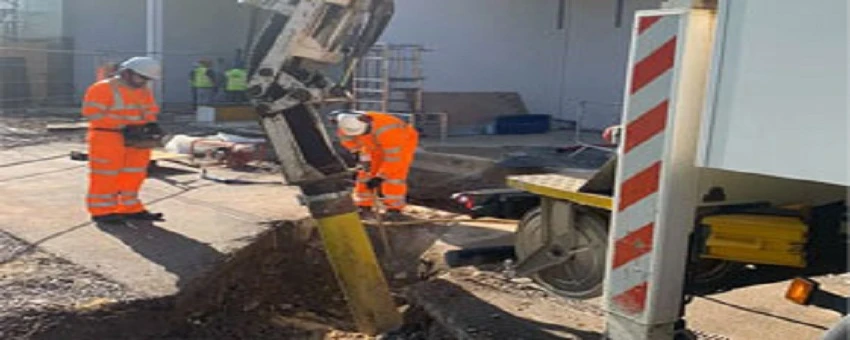

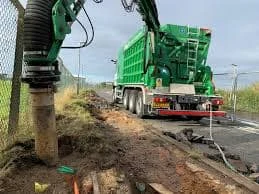
Vacuum excavation, also known as hydro excavation or potholing, is a method of digging and excavating using high-pressure water and an industrial vacuum system. This method of excavation has been around for decades and has become an essential tool in a wide range of industries, including construction, utility, and telecommunications.
One of the biggest advantages of vacuum excavation is that it is much safer than traditional excavation methods, such as digging with a backhoe or other heavy equipment. The high-pressure water used in vacuum excavation is able to break up the soil, making it easier to remove. Additionally, the vacuum system is able to quickly and efficiently remove the soil, reducing the risk of cave-ins or other accidents.
Another advantage of vacuum excavation is that it is much more precise than traditional excavation methods. This is particularly important in situations where underground utilities, such as water and gas lines, need to be located and exposed without causing damage. Vacuum excavation allows for a precise and controlled excavation, minimizing the risk of damage to underground utilities.
Vacuum excavation services is also a more environmentally friendly method of excavation. The water used in the process can be collected and reused, reducing the amount of water needed for the excavation. Additionally, vacuum excavation does not produce the dust and debris that traditional excavation methods do, reducing the impact on the surrounding environment.
Frequently Asked Questions:
Q: How does vacuum excavation work?
A: Vacuum excavation uses a combination of high-pressure water and an industrial vacuum system to break up and remove soil. The high-pressure water is used to break up the soil, while the vacuum system is used to remove the soil and debris.
Q: What industries use vacuum excavation?
A: Vacuum excavation is used in a wide range of industries, including construction, utility, and telecommunications.
Q: Why is vacuum excavation safer than traditional excavation methods?
A: Vacuum excavation is safer than traditional excavation methods because the high-pressure water is able to break up the soil, reducing the risk of cave-ins or other accidents. Additionally, the vacuum system is able to quickly and efficiently remove the soil, further reducing the risk of accidents.
Q: Why is vacuum excavation more precise than traditional excavation methods?
A: Vacuum excavation is more precise than traditional excavation methods because it allows for a precise and controlled excavation, minimizing the risk of damage to underground utilities.
Q: Is vacuum excavation more environmentally friendly than traditional excavation methods?
A: Vacuum excavation is more environmentally friendly than traditional excavation methods because the water used in the process can be collected and reused, reducing the amount of water needed for the excavation. Additionally, vacuum excavation does not produce the dust and debris that traditional excavation methods do, reducing the impact on the surrounding environment.
Conclusion: In conclusion, vacuum excavation has a long and proud history as an essential tool in a wide range of industries. Its advantages over traditional excavation methods such as safety, precision, and environmental friendliness are undeniable and make it a preferred method in many projects. As technology and the needs of society evolve, vacuum excavation will continue to be an important tool for excavating and uncovering underground utilities and resources safely and efficiently.





























Sign in to leave a comment.