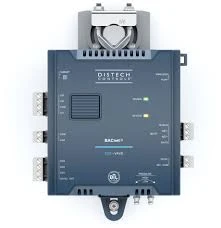

Variable Air Volume (VAV) controllers play a critical role in modern HVAC systems by regulating airflow to different zones based on demand. These controllers help optimize indoor comfort, enhance energy efficiency, and reduce operational costs. By dynamically adjusting airflow, VAV controllers ensure that each area of a building receives the right amount of conditioned air, improving both occupant experience and system performance.
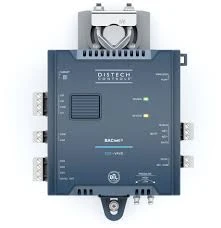
1. How VAV Controllers Optimize Airflow
Traditional HVAC systems often operate at constant airflow, leading to inefficiencies and discomfort. VAV controllers solve these issues by:
- Adjusting Airflow Based on Demand: Instead of delivering a fixed volume of air, VAV controllers modulate dampers to match the cooling or heating needs of each zone.
- Integrating with Occupancy Sensors: Smart VAV controllers detect occupancy levels and adjust ventilation accordingly, reducing energy waste in unoccupied areas.
- Balancing Pressure and Temperature: By fine-tuning air distribution, VAV systems prevent overcooling or overheating, creating a more stable indoor environment.
2. Enhancing Comfort with Precise Climate Control
Comfort in commercial buildings depends on maintaining consistent temperatures and air quality. VAV controllers contribute by:
- Eliminating Hot and Cold Spots: Zoned airflow control ensures even temperature distribution across different spaces.
- Regulating Humidity and Air Quality: Advanced VAV systems monitor CO₂ levels, humidity, and pollutants, adjusting ventilation to improve indoor air quality.
- Personalized Climate Settings: Some systems allow occupants to adjust airflow in specific zones via smart thermostats or mobile apps.
3. Energy Efficiency and Cost Savings
Energy efficiency is a major advantage of VAV controllers, as they help reduce overall HVAC energy consumption. Key benefits include:
- Lower Fan Energy Use: Fans adjust speed based on airflow demand, consuming less power compared to constant-speed systems.
- Optimized Heating and Cooling: By precisely controlling airflow, VAV controllers reduce the load on HVAC equipment, leading to lower energy costs.
- Demand-Based Ventilation: Reducing airflow in unoccupied zones prevents unnecessary heating or cooling, improving overall efficiency.
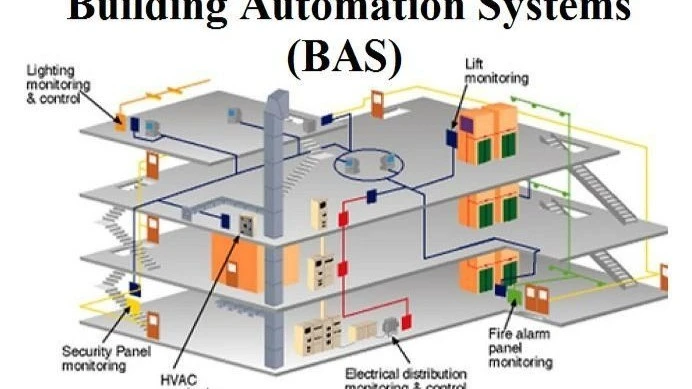
4. Integration with Building Management Systems (BMS)
Modern VAV controllers seamlessly integrate with BMS platforms, allowing for:
- Remote Monitoring & Control: Facility managers can adjust settings and troubleshoot issues from a central dashboard.
- Data Analytics & Optimization: Continuous performance monitoring helps identify inefficiencies and improve HVAC operation.
- Automated Scheduling: Smart scheduling adjusts airflow based on occupancy patterns, reducing unnecessary operation during off-hours.
5. Choosing the Right VAV Controller
When selecting a VAV controller, consider:
- System Compatibility: Ensure the controller supports BACnet, LonWorks, or Modbus for seamless integration.
- Sensor Capabilities: Look for built-in airflow, temperature, and humidity sensors for precise control.
- Ease of Installation: Choose controllers with plug-and-play configurations and auto-calibration features.
- Scalability: Opt for a system that can accommodate future building expansions or upgrades.
Conclusion
VAV controllers are essential for maximizing airflow efficiency and indoor comfort in commercial buildings. By dynamically adjusting ventilation based on demand, they improve temperature regulation, enhance air quality, and significantly reduce energy consumption. Upgrading to advanced VAV technology ensures a more comfortable, efficient, and cost-effective HVAC system.




























Sign in to leave a comment.