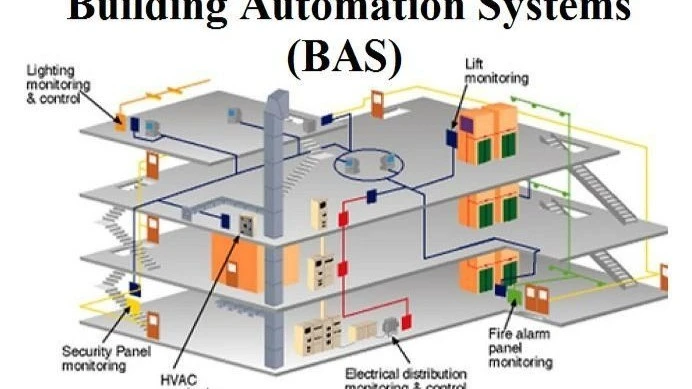

The Internet of Things (IoT) is revolutionizing modern Building Automation Systems (BAS) by enabling real-time data collection, advanced analytics, and seamless connectivity between various building components. By integrating smart sensors, cloud computing, and artificial intelligence, IoT enhances efficiency, reduces costs, and improves occupant comfort and security. This article explores the critical role IoT plays in transforming building automation.
Key Contributions of IoT to Building Automation Systems
1. Real-Time Monitoring and Data Collection
- IoT-enabled sensors track temperature, humidity, air quality, occupancy, and energy consumption.
- Continuous monitoring allows facility managers to make informed decisions for optimal performance.
- Cloud-based analytics provide predictive insights, reducing energy waste and maintenance costs.
2. Energy Efficiency and Sustainability
- Smart thermostats and lighting systems adjust settings based on real-time occupancy and environmental conditions.
- IoT-integrated energy management systems detect inefficiencies and recommend corrective actions.
- Integration with renewable energy sources optimizes resource usage and reduces carbon footprints.
3. Predictive Maintenance and Reduced Downtime
- IoT-driven diagnostics identify potential failures before they lead to costly breakdowns.
- Automated alerts notify maintenance teams about necessary repairs, preventing system failures.
- AI-based learning algorithms optimize equipment performance, extending lifespan and reducing costs.
4. Enhanced Security and Access Control
- IoT-enabled surveillance cameras and motion sensors provide real-time security monitoring.
- Smart access control systems, including biometric authentication and mobile credentials, enhance building security.
- Automated emergency response features improve safety measures in case of security threats or fire hazards.
5. Remote Management and Automation
- Cloud-based IoT platforms enable remote monitoring and control of building systems via mobile apps.
- Facility managers can adjust HVAC, lighting, and security settings from anywhere in real time.
- Automation reduces the need for manual interventions, streamlining operations and reducing costs.
6. Improved Occupant Comfort and Productivity
- IoT-driven smart climate control systems ensure optimal indoor conditions based on occupancy and weather data.
- Adaptive lighting and ventilation enhance comfort, improving productivity in work environments.
- Personalized user settings allow individuals to control their workspace environment for better well-being.
The Future of IoT in Building Automation
With the continuous advancements in AI, 5G connectivity, and edge computing, IoT will further transform BAS by making buildings more intelligent and self-sustaining. Future developments will focus on:
- AI-driven automation for self-learning building management systems.
- Integration with smart cities for optimized urban energy consumption.
- Advanced cybersecurity measures to protect IoT-connected infrastructure.
Conclusion
IoT is at the core of modern Building Automation Systems, driving energy efficiency, predictive maintenance, enhanced security, and improved occupant experiences. As technology continues to evolve, IoT will play an even greater role in creating smarter, more sustainable buildings that cater to the demands of the future.


























Sign in to leave a comment.