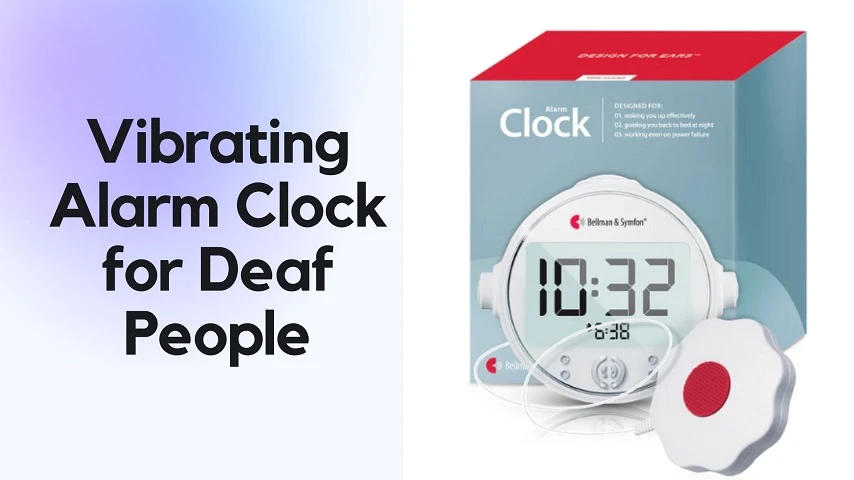

Waking up on time can be a challenge for those who are deaf or hard of hearing. Traditional alarm clocks rely on sound, making them ineffective for individuals who cannot listen to them. Fortunately, the vibrating alarm clock for deaf individuals offers a game-changing solution. These devices provide reliable, tactile alerts that ensure you wake up on time, regardless of your hearing ability.
In this guide, we’ll explore the features, benefits, and types of vibrating alarm clocks and help you find the perfect one for your needs.
What Is a Vibrating Alarm Clock?
A vibrating alarm clock for deaf is a specially designed device that uses vibrations instead of sound to wake you up. These clocks are ideal for individuals who are deaf, hard of hearing, or heavy sleepers who struggle to wake up with conventional alarms.
The primary mechanism involves a vibration pad or shaker under the mattress or pillow. The pad vibrates intensely when the alarm goes off, providing a tactile wake-up signal.
How Does a Vibrating Alarm Clock Work?
The vibrating alarm clock for deaf individuals typically consists of:
- Alarm Clock Unit: A bedside clock with settings for time, alarm modes, and other features.
- Vibration Pad/Shaker: A wired or wireless device placed under the pillow or mattress.
- Additional Alerts: Many models include flashing lights or loud sounds as supplementary alerts for flexibility.
The vibration pad activates when the alarm is triggered, delivering a strong, repetitive vibration that wakes the user.
Key Features of Vibrating Alarm Clocks
Customizable Vibrations
Most vibrating alarm clocks offer adjustable vibration intensity and patterns, allowing users to tailor the experience to their preferences.
Multiple Alert Modes
These clocks often combine vibrations with flashing lights or loud sounds for maximum effectiveness.
Snooze Function
Like traditional alarms, vibrating alarm clocks include a snooze feature for those who need a few extra minutes.
Battery Backup
Many models have battery backup systems, ensuring the alarm functions even during power outages.
Compact and Portable Designs
Some vibrating alarms are small and lightweight, making them ideal for travel.
Benefits of Vibrating Alarm Clocks for Deaf Individuals
Reliable Wake-Up Calls
The vibration mechanism ensures a tactile alert, eliminating the dependency on sound.
Enhanced Independence
With a vibrating alarm, individuals with hearing impairments can wake up without relying on others.
Discreet Alerts
These devices are perfect for shared spaces, as they won’t disturb roommates or partners.
Versatility
Vibrating alarms are useful for many users, including heavy sleepers, shift workers, and people with hearing loss.
Top Types of Vibrating Alarm Clocks
Bedside Vibrating Alarm Clocks
These models feature a clock unit for the bedside table and a wired or wireless shaker for tactile alerts.
Best For: Home users and individuals who prefer a fixed setup.
Features: Large displays, USB charging ports, and adjustable brightness.
Wearable Vibrating Alarms
These alarms are worn on the wrist, like a watch, and vibrate when the alarm goes off.
Best For Travelers and those who prefer a personal alert system.
Features: Lightweight, rechargeable, and multifunctional (often doubles as a fitness tracker).
Phone-Compatible Vibrating Alarms
Smartphone apps paired with vibrating pads provide a modern solution.
- Best For Tech-savvy users who prefer smartphone integration.
- Features: Customizable settings, app-based controls, and smart home connectivity.
Choosing the Right Vibrating Alarm Clock
Selecting the best-vibrating alarm clock for deaf individuals depends on several factors:
Type of Alert
Consider whether you prefer vibration alone or a combination of alerts (vibration, lights, or sound).
Portability
A compact or wearable alarm may suit you better if you travel often.
Power Source
Look for models with rechargeable batteries or dual power options for reliability.
Additional Features
Features like Bluetooth connectivity, snooze buttons, and multiple alarm settings can enhance usability.
Why a Vibrating Alarm Clock Is a Must-Have
For individuals who are deaf or hard of hearing, a vibrating alarm clock isn’t just a convenience—it’s a necessity. These devices promote independence, ensure punctuality, and cater to specific needs that traditional alarm clocks cannot address.
Whether you need a bedside alarm, a wearable option, or a smartphone-compatible device, there’s a vibrating alarm clock to suit your lifestyle.
Final Thoughts
A vibrating alarm clock for deaf individuals is more than just a tool—it’s a reliable partner for starting your day on time and stress-free. These clocks ensure you never miss a moment by offering powerful vibrations, customizable features, and advanced technology.
Invest in a vibrating alarm that fits your needs today and experience the freedom of waking up on your terms.

























Sign in to leave a comment.