
In the aerospace and automotive industries, the reliability of components is non-negotiable. These industries face unique challenges in ensuring the performance and safety of their products under extreme conditions. From aircraft experiencing high-frequency vibrations to automotive parts enduring the constant stress of driving, testing equipment that can simulate real-world environments is essential.
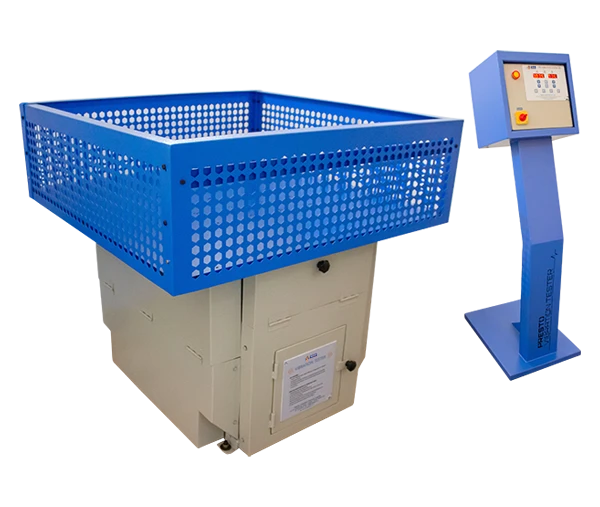
Vibration Table: Simulating Real-World Conditions
A vibration table is an essential tool in the aerospace and automotive industries. It simulates the vibrations and shocks products will experience during transportation, operation, or environmental exposure. By replicating these vibrations in a controlled environment, the vibration table provides valuable insights into how parts respond to conditions such as engine vibrations, road impacts, or turbulence during flight. For aerospace, the vibration table can simulate the forces encountered during takeoff, flight, and landing, ensuring components such as avionics, engines, and fuselage parts are durable enough to withstand high-frequency vibrations. In the automotive industry, it’s crucial for testing vehicle systems, like suspensions or electronic components, that endure constant vibrations from engines and road conditions.
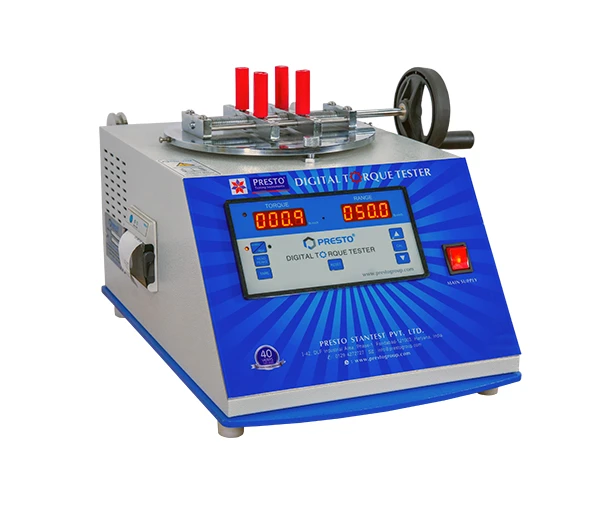
Torque Tester: Ensuring Accurate Performance of Moving Parts
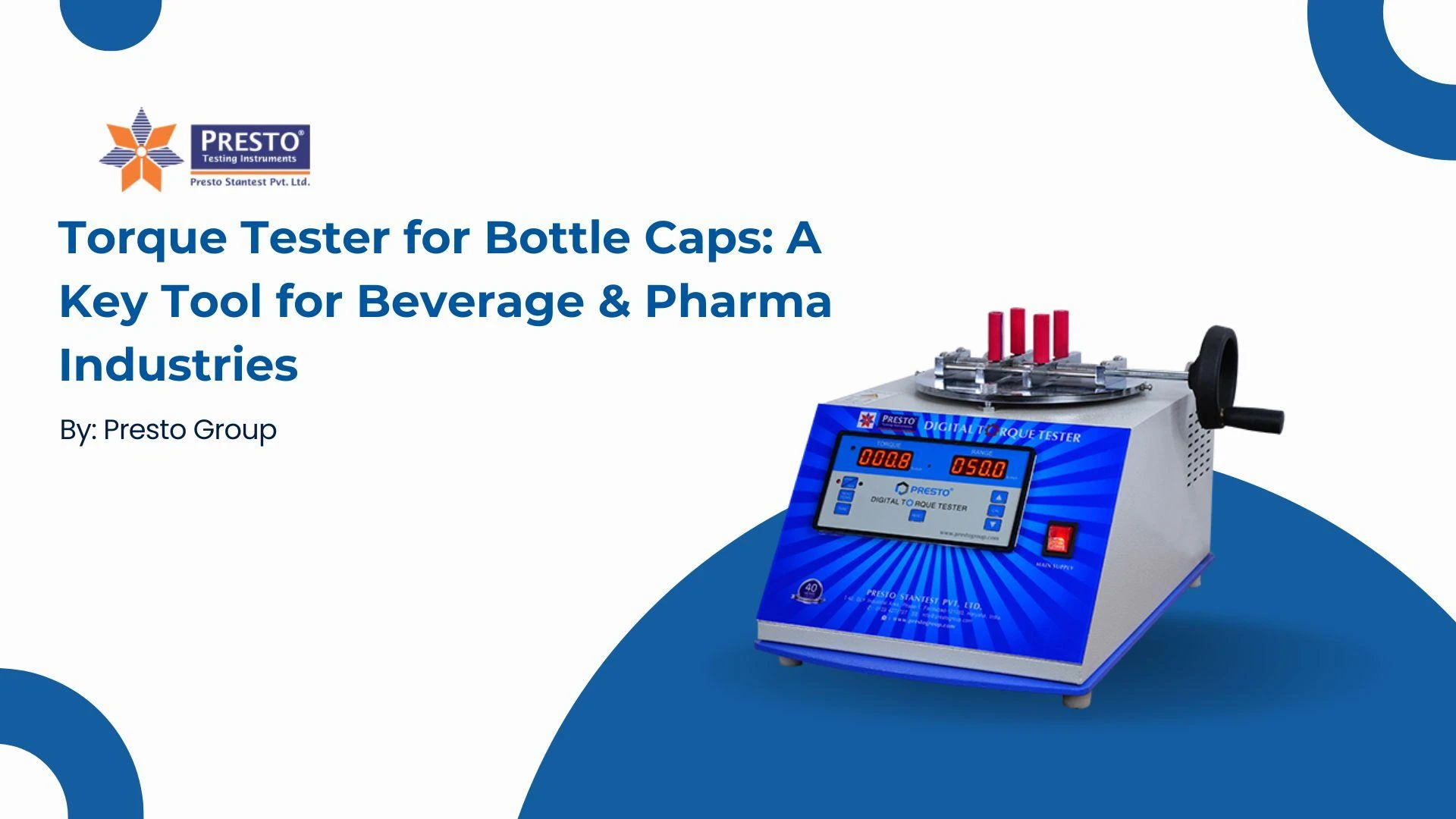
The torque tester is another vital testing tool in both industries, measuring the rotational force and ensuring that mechanical parts such as fasteners, gears, and joints perform as expected under load. In automotive and aerospace systems, where mechanical integrity is paramount, the torque tester ensures that parts such as wheels, engines, and components subject to high rotational forces are properly calibrated. This guarantees that the parts function smoothly without failures, enhancing both safety and performance.
Secure Seal Tester: Guaranteeing Leak-Proof Integrity
Ensuring airtight and leak-proof seals is critical, especially in environments like automotive engines and aerospace cabins, where pressure and temperature fluctuations are constant. The secure seal tester is used to test the integrity of seals and gaskets, detecting any potential leaks before components are put into production. In aerospace, where maintaining cabin pressure is vital, and in automotive systems like engines and fuel tanks, the secure seal tester guarantees that parts are leak-proof, which prevents accidents and ensures efficiency.
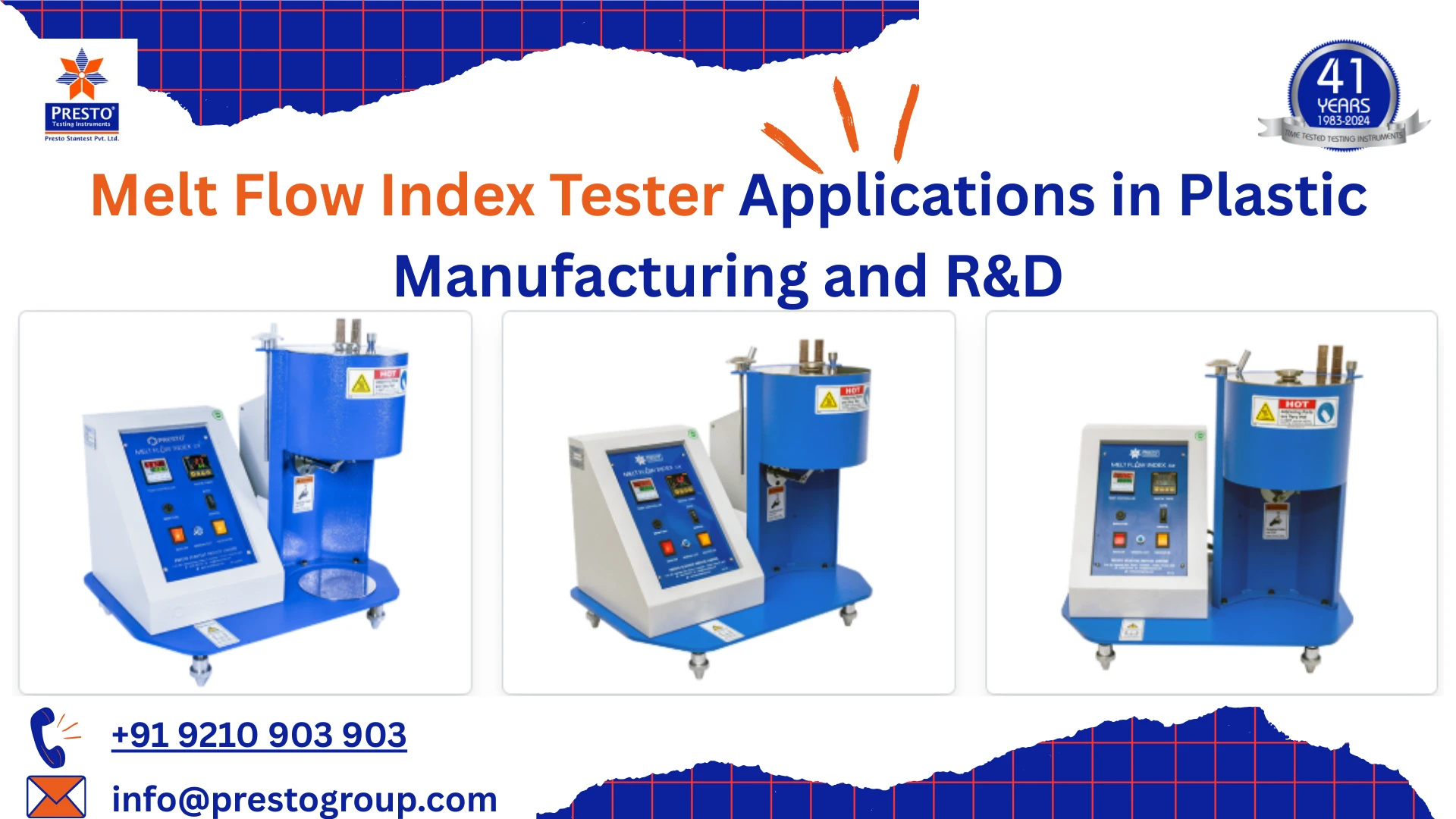
Melt Flow Index Tester: Analyzing Polymer Processability
For components made of plastics and polymers, the melt flow index tester measures how easily a material flows when heated, helping manufacturers optimize material selection and processing parameters. This is especially crucial in automotive and aerospace manufacturing, where high-performance polymers are used for everything from lightweight body panels to engine parts. By testing the melt flow index, manufacturers can ensure that materials meet the required specifications for durability and ease of processing, leading to better performance and cost-effective production.
Salt Spray Chamber: Testing Corrosion Resistance
Corrosion is one of the leading causes of component failure, particularly in industries that involve harsh environments, like aerospace and automotive. The salt spray chamber is used to simulate the corrosive effects of saltwater and humidity on materials, ensuring that coatings, metals, and composites used in aircraft and vehicles are resistant to corrosion. Whether it's testing the undercarriage of a car or the exterior of an airplane, the salt spray chamber helps manufacturers improve material longevity and prevent premature degradation, enhancing both safety and product life.
Edge Crush Tester: Assessing Packaging and Material Strength
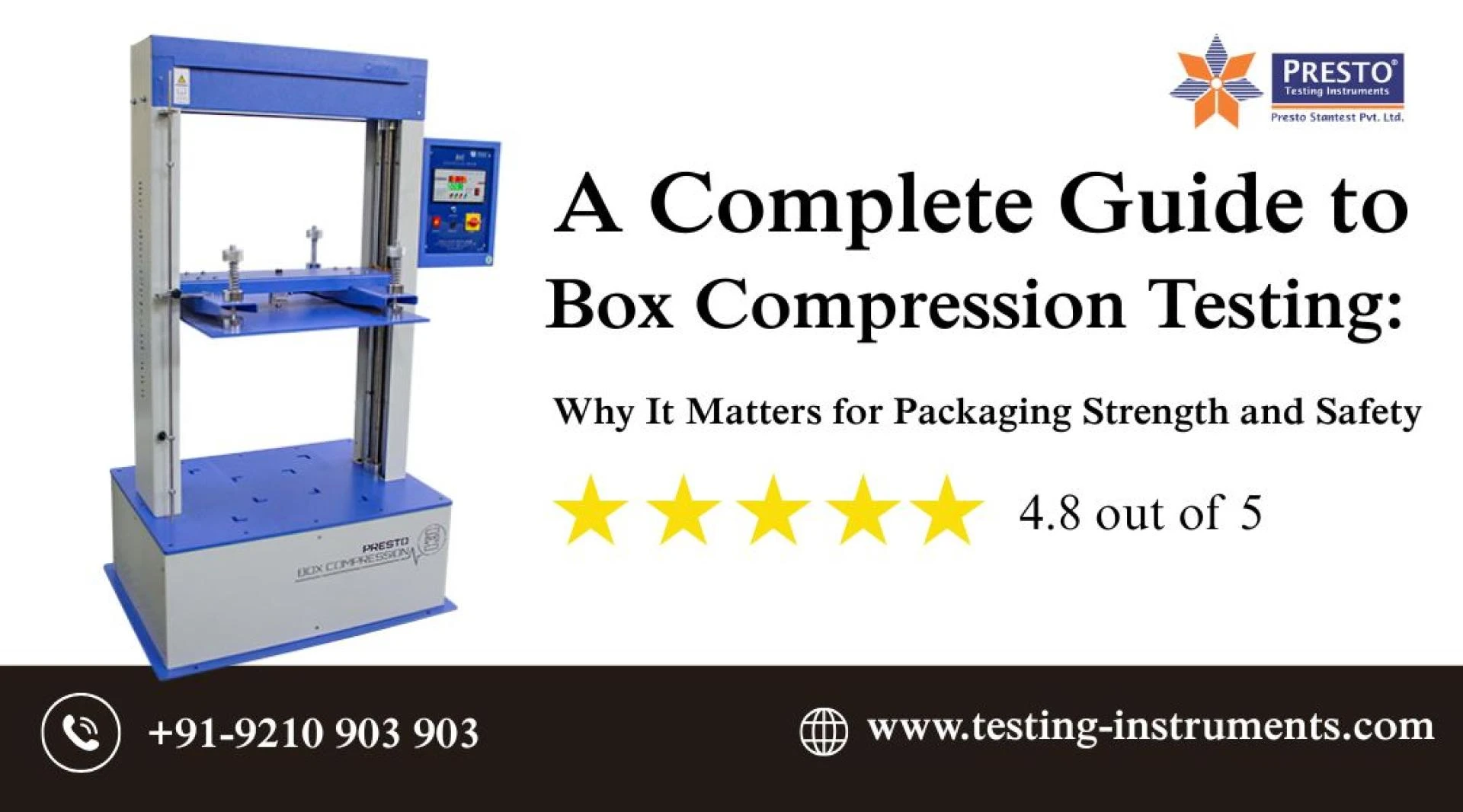
In addition to testing individual parts, the edge crush tester is used to evaluate the strength of packaging materials, particularly corrugated cardboard. This is important for both aerospace and automotive industries, where components often need to be shipped long distances. The edge crush tester measures how much force the edge of a corrugated board can withstand before failing, ensuring that packaging is strong enough to protect parts during transit. This tester helps manufacturers choose the most durable packaging materials to protect sensitive components like engine parts, avionics, and other high-value items during shipping.
Conclusion
The integration of the vibration table, torque tester, secure seal tester, melt flow index tester, salt spray chamber, and edge crush tester in the testing and development phases of aerospace and automotive manufacturing is essential for ensuring the performance, durability, and safety of components. Each of these testing devices plays a unique role in simulating real-world conditions, from high-frequency vibrations to extreme environmental exposure, providing manufacturers with the data needed to optimize product quality and enhance operational safety. By leveraging these advanced testing solutions, aerospace and automotive industries can improve product reliability, reduce failures, and drive innovation in product development.
Email :- [email protected]
Call Now: +919210903903
























Sign in to leave a comment.