
A real estate project showcase is, at its best, a controlled moment of belief. You are asking a buyer to look at plans, renders, and a physical location that does not yet match the vision — and to choose it anyway. The tools you use to create that moment of belief determine whether your team converts or loses visitors.
Virtual experience centers have become the standard for real estate teams that take project showcases seriously — not because they are technologically sophisticated, but because they are effective at doing the one thing that matters most: making buyers feel certain about something that does not yet physically exist.
The Gap Between Showcase and Conversion
Most project showcases have the same problem: they create interest without creating conviction. Buyers leave genuinely intrigued — they liked the location, were impressed by the amenity list, found the pricing competitive — but leave without the specific, anchored certainty that drives a booking decision.
That specific certainty does not come from general interest. It comes from a particular kind of visual experience — where a buyer has navigated through a specific unit, seen the view from a specific floor, and experienced the lifestyle zones in enough detail to feel familiar with them.
Virtual experience centers exist to create that specificity. They turn a project showcase from a general presentation into a personalised buyer journey.
What Real Estate Teams Use Virtual Experience Centers For
Sales teams that have adopted virtual experience center technology use it across several distinct moments in the buyer journey:
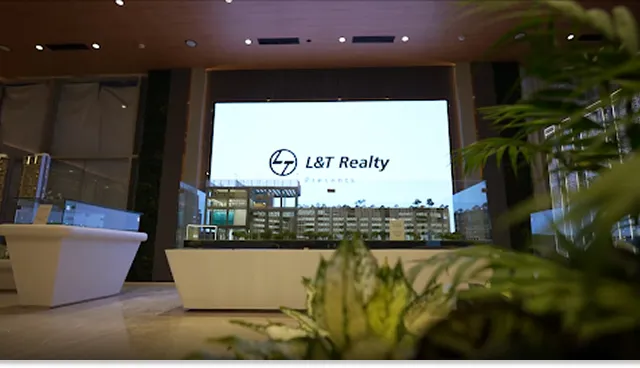
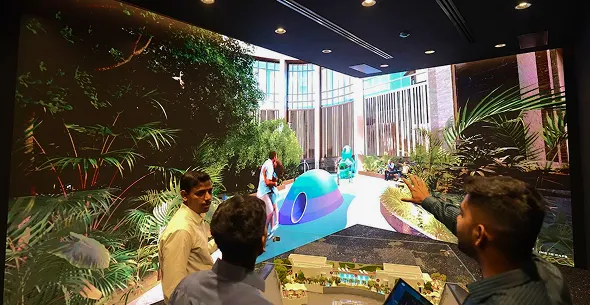
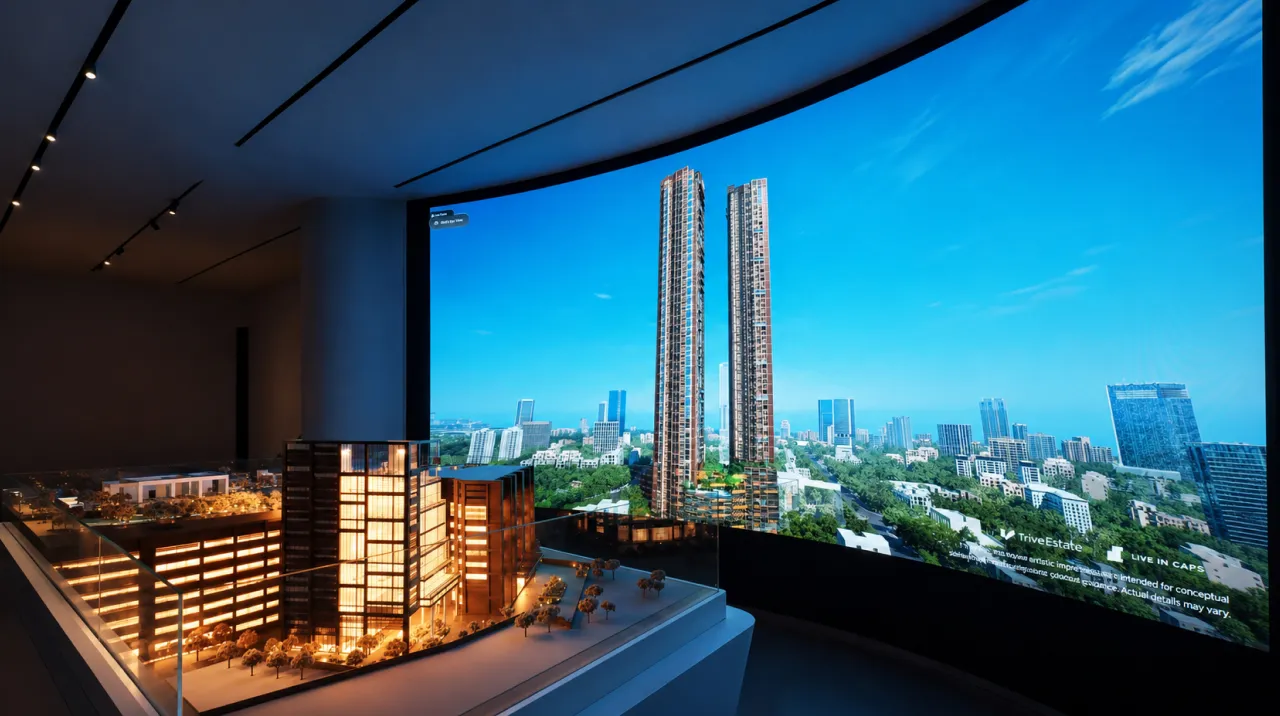
- First impression at the gallery. A 360-degree projection room or high-resolution video wall lobby sets a tone that no brochure stand can match.
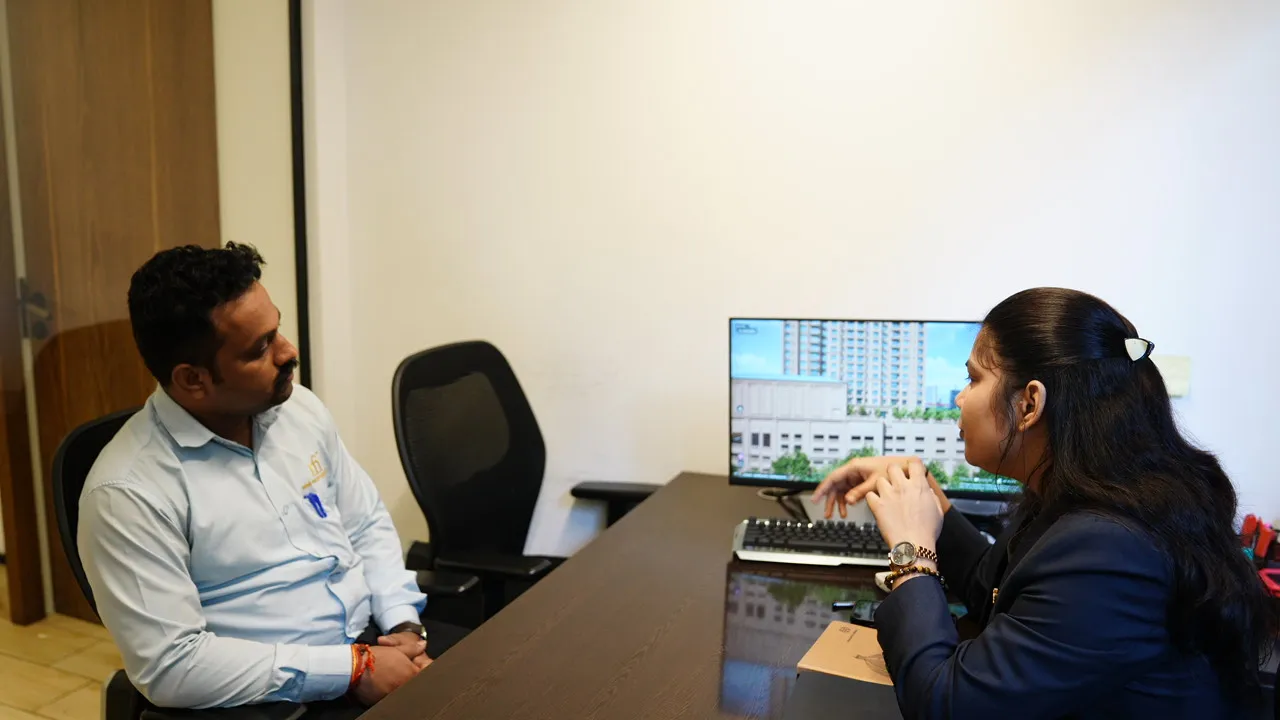
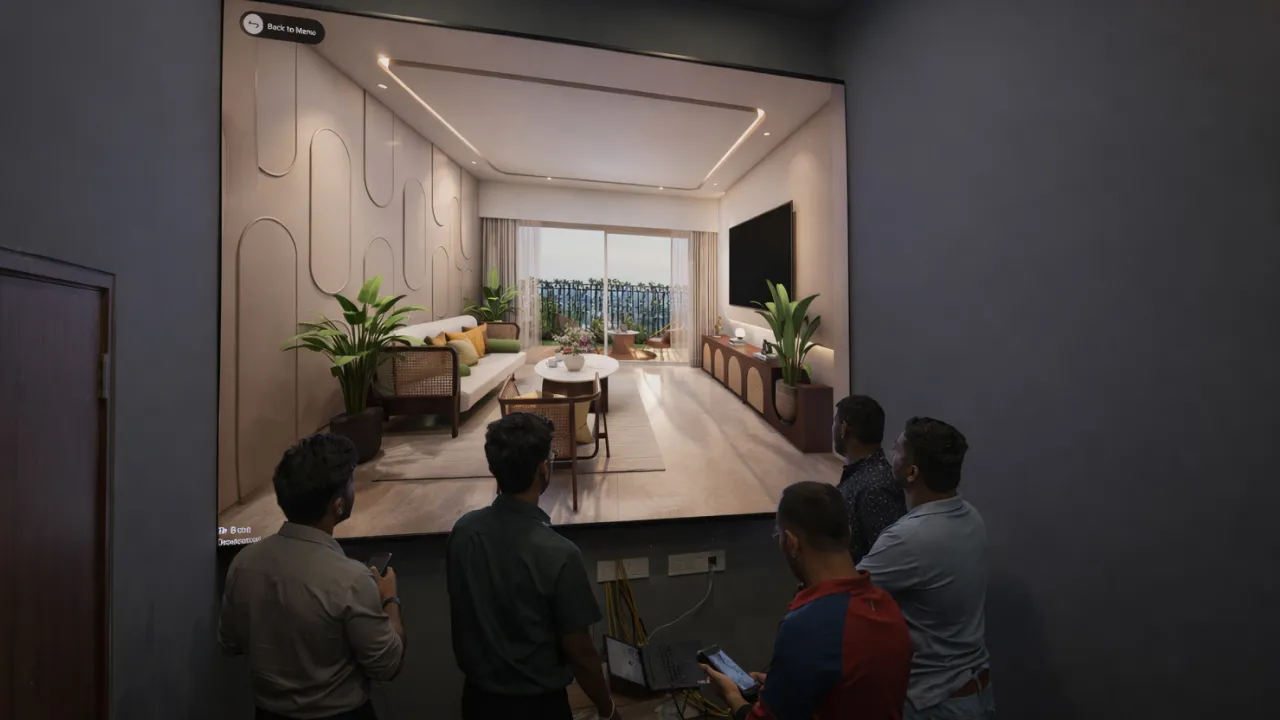
- Guided exploration during the visit. Sales executives use tablet-controlled presentations to walk buyers through a structured journey at the buyer's pace, with full flexibility to go deeper on whatever the buyer finds most relevant.
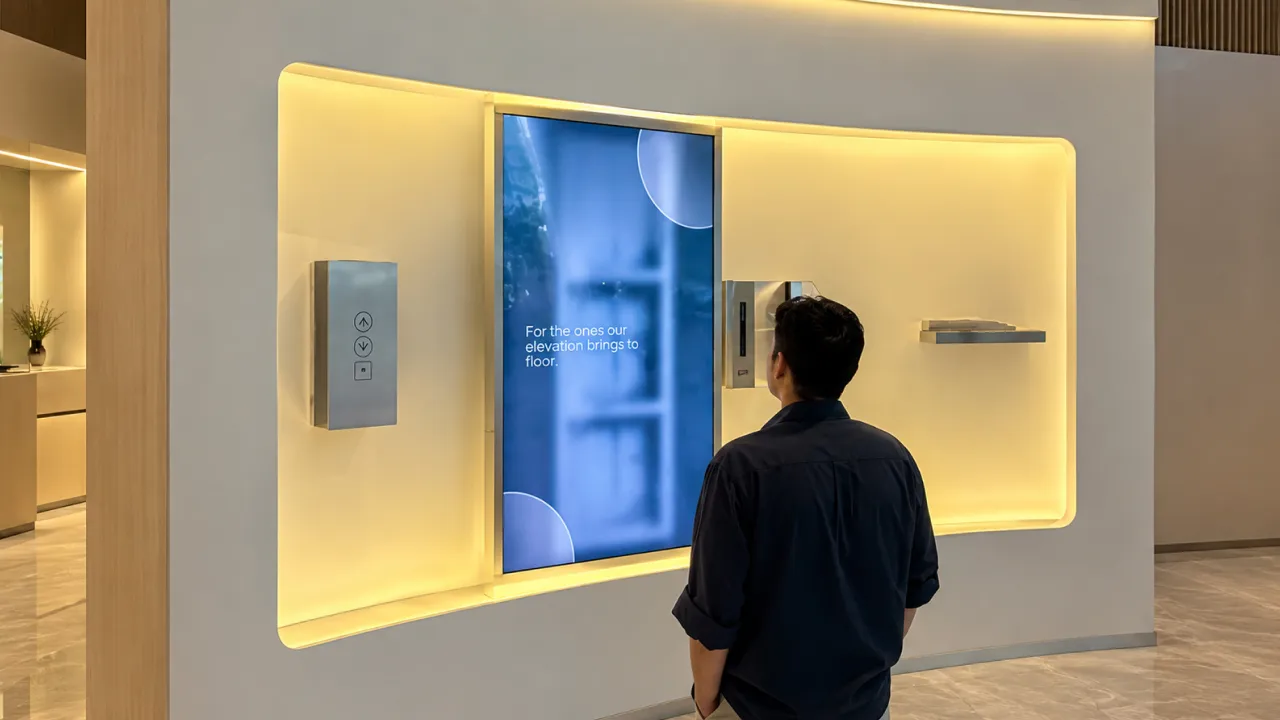
- Independent self-exploration. Touchscreen kiosks allow buyers who have received the initial guided tour to explore further on their own — revisiting specific units, comparing configurations, diving deeper into amenity details.
- VR for the final spatial confirmation. Before a buyer leaves, a VR walkthrough of their preferred unit configuration removes the last significant uncertainty. That knowledge significantly reduces post-visit deliberation.
Hiranandani Belicia and the Power of a Consistent Showcase
The challenge that V-Estate addressed with the Hiranandani Belicia interactive sales gallery was one many sales directors recognise: showcase quality was inconsistent. A buyer visiting on a quieter weekday attended to by a less experienced team member had a fundamentally different experience than a buyer visiting during a peak weekend event with senior leadership present.
Inconsistency in showcase quality means buyer conversion is partially a function of luck — whether the right person happened to attend to a particular visitor on a particular day.
The interactive gallery V-Estate built eliminated much of that inconsistency. The structured, technology-led buyer journey meant the quality of the core presentation did not depend on which team member delivered it. The technology held the narrative; the sales team focused on the conversation.
The result was a more predictable conversion rate — which is ultimately what every sales director is optimising for.
Why Offline Capability Is Non-Negotiable for Showcases
Internet-dependent presentation systems fail at the worst possible moments. A buyer who drove forty minutes to your site does not forgive a system that is buffering.
V-Estate's platform is built as offline activation software. The experience centre works without an internet connection — all content is loaded locally and presentations run flawlessly regardless of site connectivity. For many project showcase locations, particularly under-construction sites, this is not a backup feature. It is the primary operating mode.
The Buyer Who Comes Back — and Brings Someone
One of the most telling indicators of a successful showcase is the return visitor who brings a family member. "I want to show my wife / parents what I saw" signals a buyer who is not just interested but committed enough to invest in a second visit.
Those return visits happen when the first showcase was memorable enough to sell on its own merits. When a buyer goes home and describes a VR walkthrough to their spouse, the showcase has done its job. The technology created a memory worth sharing.
That kind of word-of-mouth emerges reliably when the showcase experience is genuinely distinct — when it shows buyers something they could not have imagined on their own.
Explore V-Estate's complete portfolio of virtual experience center and interactive sales solutions for real estate teams.
Ready to make your project showcase unforgettable?
V-Estate has built experience centres for leading developers across India — from Hiranandani and Rustomjee to Runwal. Each one is designed around the same goal: giving buyers the visual certainty they need to make the best decision of their financial lives, and giving sales teams the tools to make that happen consistently.





















Sign in to leave a comment.