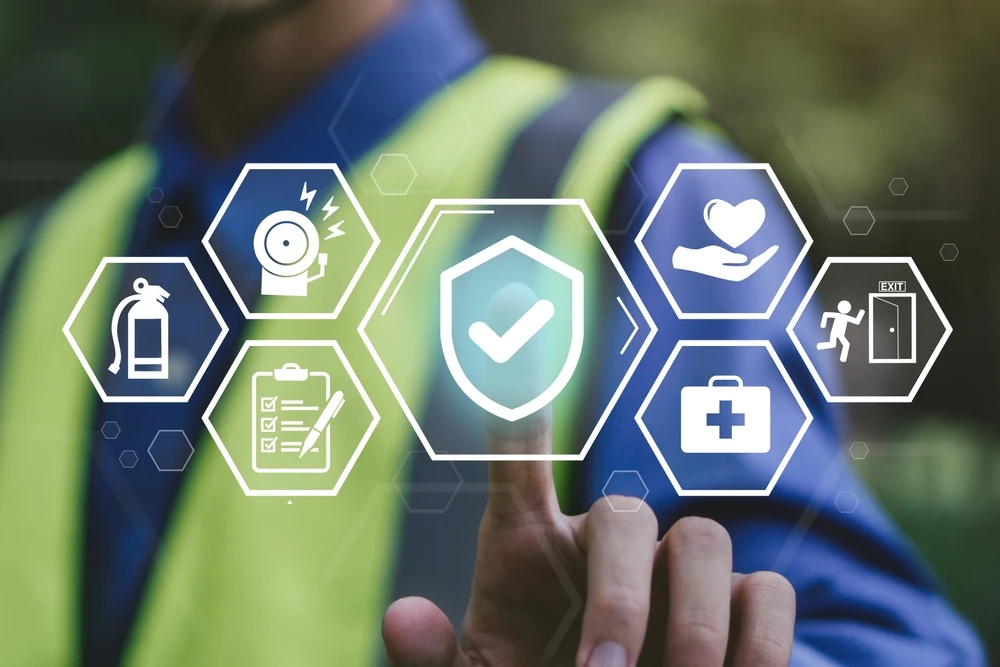

In an increasingly complex and rapidly-changing world, businesses worldwide are placing greater emphasis on the importance of Environment, Health, and Safety (EHS). Owing to the growing concerns about the environment, social responsibility, and worker safety, it has become increasingly necessary for companies to adopt and maintain a robust EHS management system.
However, achieving excellence in EHS requires specialized knowledge and expertise, a resource that not all organizations may inherently possess or be able to create internally as well. To bridge knowledge, skill, and technology gaps, organizations need to form strategic partnerships with trusted EHS organizations, or recruit dedicated EHS professionals. This will not only help them elevate their EHS standards but also allow them to introduce a transformative influence that can redefine their workplace safety norms.
Before we go further, let us first understand….
The Role of an EHS Company or a Professional
An EHS company or professional essentially functions as a comprehensive resource center for addressing and mitigating workplace risks. They specialize in providing solutions and services related to environmental, health, and safety regulations.
EHS professionals meticulously conduct environmental assessments, health and safety audits, hazardous material management, and occupational health testing. These measures ensure compliance with relevant regulations, thereby facilitating a safe and healthy working environment.
In addition, EHS companies empower the workforce through targeted training and education programs. These initiatives enhance awareness about health and safety protocols, fostering a proactive safety culture within the organization. Furthermore, EHS professionals often leverage EHS management software to streamline compliance management, enabling organizations to meet regulatory requirements more efficiently.
EHS Software - A Definition
EHS software simplifies and automates the process of managing your organization's EHS by gathering, saving, and assessing EHS data from all departments in one centralized storage. It detects and follows alterations in pertinent EHS laws and regulations to ensure compliance while facilitating the creation of mandatory reports for audits and investigations. EHS software monitors incidents and illnesses for review, allowing for the identification of their underlying causes and a plan for CAPA (Corrective and Preventive Action) to prevent their recurrence.
EHS Management and its Importance
An EHS management is a set of guidelines that outlines an organization's approach to promoting a safe and healthy work environment. It includes policies, procedures, activities, and training to protect employees from job-related injuries and ensure a safe environment.
Beyond simply complying with industry mandates and Occupational Safety and Health Administration (OSHA) requirements, EHS Management holds a broader implication. It embodies an organization's commitment to the well-being of its employees and the sustainability of its operations.
With proficient EHS management businesses can achieve the following goals:
a) Employee Well-being: Ensuring the safety, health, and overall well-being of employees is one of the critical aspects of EHS (Employee, Health, and Safety) practices. By implementing EHS practices, organizations can minimize workplace hazards and ensure their workforce's physical and mental well-being.b) Operational Efficiency: Accidents, injuries, and environmental hazards can stall the work, causing a decline in operational efficiency. With sound EHS management, organizations can proactively address risks, optimize processes, minimize disruptions, and boost productivity.c) Reputation and Stakeholder Confidence: An organization's reputation can only improve if it is known to be compliant or unconcerned about the safety and well-being of employees and the environment. A Good EHS performance builds trust and boosts reputation among various stakeholders, including employees, customers, investors, and the community.d) Strict Compliance: Organizations must comply with certain environmental, health, and safety regulations per national and international laws. EHS management systems provide a framework for meeting these requirements, avoiding legal liabilities, and maintaining a positive reputation in the industry.As we progressively witness new technological advancements becoming an integral part of our daily lives, it's evident that each industrial sector is undergoing significant transformation, and EHS management is no different. Currently, this field is undergoing a remarkable shift, primarily driven by the emergence of Vision AI, a prominent application of Artificial Intelligence (AI). This innovative technology is revolutionizing EHS practices, greatly enhancing the efficiency of EHS professionals, and marking a notable transition in the EHS management landscape.
Vision AI - The Future of EHS management
Vision AI, also known as Computer Vision, employs AI technology to analyze and interpret visual information, making it an invaluable tool in EHS management. Its applications are broad-ranging, from monitoring adherence to safety protocols, identifying potential hazards, ensuring the wearing of appropriate personal protective equipment (PPE), to even assessing ergonomic risks.
For EHS professionals, Vision AI acts as a powerful ally, augmenting their capabilities, and enabling them to perform their jobs more efficiently. It reduces the load of mundane monitoring tasks, allows for rapid response to safety hazards, and provides invaluable insights that help in proactive risk management.
Vision AI isn’t merely an option for businesses; it's quickly becoming an essential part of any robust EHS management strategy. The ability to monitor and analyze visual data in real-time has proven to be a game-changer. Businesses are now able to detect and address EHS issues quickly and efficiently, reducing risks, improving safety, and creating healthier work environments.
Moreover, Vision AI solutions for Workplace Safety have become an affordable alternative to hiring specialized EHS professionals or partnering with EHS companies, especially for smaller businesses that might find these options beyond their budgetary reach. By integrating Vision AI applications, organizations can achieve end-to-end EHS monitoring and management, even without a dedicated in-house EHS team.
Popular applications of Vision AI for improving EHS and Workplace Safety standards
Real-time Hazard Detection and Safety Warnings: Vision AI-powered EHS management systems analyze visual feeds from cameras installed in the workplace and detect potential hazards in real time, alerting safety managers. These solutions can identify unsafe conditions such as spills and leaks, smoke and fire incidents, equipment malfunctions, and blocked emergency exits. Organizations that cannot reduce workplace hazards with current EHS practices should collaborate with an EHS Company for proactive and intelligent hazard warnings.Worker Health and Safety: Ensuring worker health and safety is crucial to any EHS team. Vision AI solutions allow EHS teams to become proactive in monitoring slip and fall accidents, identifying zone violations, potential dangers, and detect Personal Protective Equipment (PPE) compliance or fall protection systems, etc. EHS companies can help organizations upgrade worker health and safety with specialized real-time solutions, especially for a particular industry or use case.Suspicious Activity Detection: Detecting suspicious activities is difficult with manual supervision methods. Intelligent surveillance systems are essential to record activities such as loitering, aggression, possession of firearms/knives, vandalism, etc. Vision AI solutions offer reliable, accurate and instant detection of suspicious activities by monitoring behavior, posture, and voice samples. Compliance Policy Implementation: The EHS compliance needs of companies differ from one another and keep changing with time. To implement compliance policies and ensure optimum health and safety, organizations need EHS solutions that can identify compliance failures in real time. Vision AI apps help enforce compliance like restrictive movement in some areas, zone access, occupancy metrics, dwell time, social distancing, no phones, no visitors, to list a few.The Bottomline
To sum it up, Vision AI is slowly transforming the future of EHS management, making workplaces safer and more conducive to productivity.
It’s time for businesses to embrace this change and explore how Vision AI can enhance their EHS management strategies. Manual safety management with legacy systems requires more resources, investment, and time. Besides that, it is a responsive mode of safety management where preventive actions are taken as soon as a risk or compliance failure is registered. To ensure workplace safety and compliance, organizations need to be proactive in EHS management.
Advanced EHS monitoring apps powered by Vision AI offer a proactive way to deal with EHS concerns, safety measures, and day-to-day operations. As a result, businesses need to embrace this change and take their EHS management to the next level.

























Sign in to leave a comment.