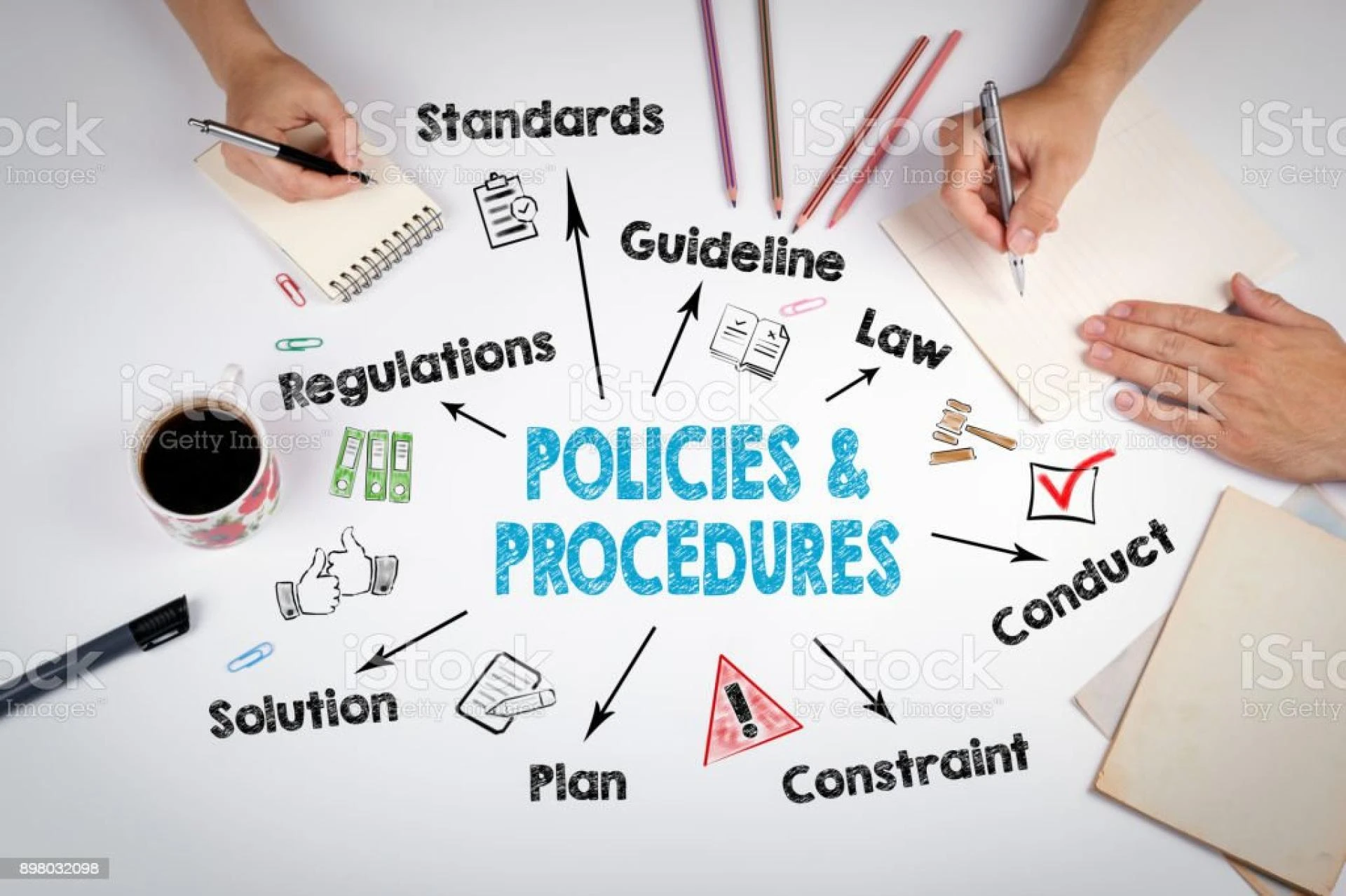

Workplace compliance influences every business aspect and plays a crucial role in the success of any company’s operational strategy. Yet, it’s considered one of the major challenges for business leaders. While workplace compliance may seem difficult, with the right policies and procedures, it shouldn’t be difficult to achieve.
In this blog, we will talk about workplace compliance and its benefits, policies and procedures, discover key challenges in compliance, and discuss how Vision AI can help companies stay ahead of the compliance curve.
What is Workplace compliance?
Workplace compliance is the adherence to rules, regulations, and laws set by various governing bodies such as Occupational Safety and Health Administration (OSHA) and the U.S. Equal Employment Opportunity Commission (EEOC). It includes policies and procedures related to workplace safety, job descriptions, diversity and inclusion, employment laws, and ethical standards.
Not following regulatory and corporate compliance can bring any company under the scanner of regulating bodies, making them liable to penalties and court cases. By having strong and clearly established corporate policies and procedures, companies can help avoid the hassles and promote accountability, monitor employee behavior, and ensure better workplace safety.
What are Policies and Procedures?
Policies and procedures help serve as guidelines that influence the culture and behavior of a
company workforce. These guidelines often contain lists outlining what actions are permissible or prohibited and appropriate actions in case of a scenario/ situation.
Here’s a brief description on policy and procedures.
Policy: Policy is a set of rules to protect an organization's workflow and employee well-being. The main purpose of policy creation is to establish protection against workplace incidents that can disrupt workflow and impact worker’s health and safety.
Procedure: Procedure is a step-by-step process to achieve expected outcomes. Deviating from procedure at any step can lead to compliance failure, invite serious consequences, and lead to unexpected outcomes.
Benefits of Policies for Workplaces
Finalizing policies is the first and most important step towards compliance. While policy requirements vary from workplace to workplace, here are some of the general benefits of having them for your workplace:
Consistent
organizational
values
Policies aligned with organization's values ensure a shared understanding of principles. If transparency is valued, policies should promote open communication b/w management & employees.
Protection Against Legal Actions
Complying with employer safety policies allows companies to feel secure from legal ramifications, e.g., enforcing policies for PPE compliance at a construction site can help protect companies from potential legal suits following an accident.
Clarify Functions & Responsibilities
Defining functions and responsibilities establishes a transparent chain of command within companies. Department-specific policies foster clarity in divisional roles and facilitate effective interdepartmental communication.
Assess the Performance of Employee
Policies help establish accountability by setting clear expectations for employees. Managers don’t need to depend on manual reports to identify performance gaps; it can be done by accessing compliance reports.
Prevent Compliance Failure
Policies to identify compliance misses go a long way in boosting workplace safety, employee morale, and overall productivity. Regular meetings & inspections greatly help in preventing compliance failure.
Compliance Challenges for Most Workplace Managers
While policies and procedures help enforce compliance, most capable workplace teams struggle with clunky, outdated technology and inefficient processes. As per a report, 40 percent of compliance teams spend a minimum of 4 hours weekly to make report changes. Clearly, teams can utilize that much time in executing more sophisticated and value-driven tasks.
So what are those challenges? Here are five of the common compliance challenges employers can face:
Siloed functions: Compliance processes are created in response to specific events. However, little thought is given to how they work together, creating a lack of communication and collaboration between functional lines.Disconnected systems: Compliance technology is often confined to silos, making it difficult to efficiently manage compliance across multiple business lines, functions, or locations.Manual processes: Managing compliance through spreadsheets and documents is time-consuming and error-prone, and we cannot keep up with a sea of constantly changing regulations.Incomplete metrics: Combining information from multiple systems into reports is a time-consuming and error-prone process without the help of sophisticated analytics to calculate risk and prioritize efforts.No visibility: Lack of an integrated view of compliance-related activities makes it difficult to identify gaps and inconsistencies, leading to risks going undetected or unaddressed.How Vision AI Helps Ensure Compliance in the Workplace?
The use of artificial intelligence is empowering workplaces to become more compliant, safe, and productive, enabling them to bypass the limitations of manual processes, practices, and solutions. Vision AI is a field of artificial intelligence (AI) that deals with the ability of computers to see and understand the world around them. This is done by using computer vision models that analyze real-time images and videos of the workplace and look for noncompliance signs by examining visual inputs in a frame by frame manner, making jobs easier for compliance teams.
With the use of advanced Vision AI solutions, companies can:
Automate tracking and monitoring: Vision AI-powered compliance solutions can automate policy monitoring and tracking. The software scans relevant communications, records, and transactions to identify any deviations from the policies.Detecting anomalies and patterns: Vision AI solutions are capable of learning from past patterns and anomalies to detect compliance failure. The system can flag unusual behavior, allowing compliance teams to identify non-compliance events and take required actions. Send alerts and notifications: Vision AI compliance solutions can immediately alert the concerned departments or stakeholders about policy violation or non-compliance. The alert messages can be customized as per the needs within the EHS software.Generate compliance reports: With these solutions, compliance managers can generate regular compliance reports and dashboards. This allows them to easily keep track of compliance posture across different areas of their organization.Industry Applications of Vision AI for Policy Compliance
As technology advances and generative AI is becoming a trend, companies are investing in more sophisticated ML-powered visual models to overcome a wide range of business challenges including policy compliance. Having said that, here are some of the popular industry applications of Vision AI for policy compliance:
Max occupancy: Computer vision can be used to monitor the occupancy level of crowded places in real-time (based on visual inputs from surveillance cameras). Such models offer instant alerts/warnings if the count exceeds the threshold limit.Restricted Access Areas: Monitoring restricted areas with manual surveillance can lead to breaches. Vision AI offers a more secure way to monitor specified areas, allowing teams to detect people and activity in high-security areas such as airports or railways. No smoking Zones: Vision AI can be utilized to enforce no smoking policies in designated areas. By analyzing video feeds from surveillance cameras, the AI models can detect instances of smoking and trigger immediate alerts to security personnel or relevant authorities. This ensures that no smoking zones are strictly adhered to, promoting a healthier and safer environment for employees, visitors, and customers.Social Distancing: Vision AI can monitor people and calculate distances between them for safe social distancing. Companies can monitor high-traffic areas by installing surveillance cameras integrated with an AI model to ensure social distancing.Besides these applications, Vision AI finds use in many other workplace safety and compliance use cases, such as Desk occupancy monitoring, Perimeter control monitoring, Temperature/humidity monitoring, and more. However, we will discuss those topics in greater detail on another occasion.
Bottomline
Compliance policies are crucial to prevent workplace accidents, identify violations, promote responsible conduct, and maintain the company's reputation or public trust. However, with manual supervision and the use of standard tools, these compliance goals can not be achieved fully.
Vision AI for Workplace Compliance offers a proactive approach to breaking the barriers of manual processes and ensuring strict compliance with its real-time compliance monitoring and advanced reporting/data analysis capabilities. With such solutions in place, organizations can monitor workplace happenings in real time, observe the behavior/conduct of the workforce, prioritize tasks for better compliance, and take preventive actions, ensuring workplace safety and compliance.

























Sign in to leave a comment.