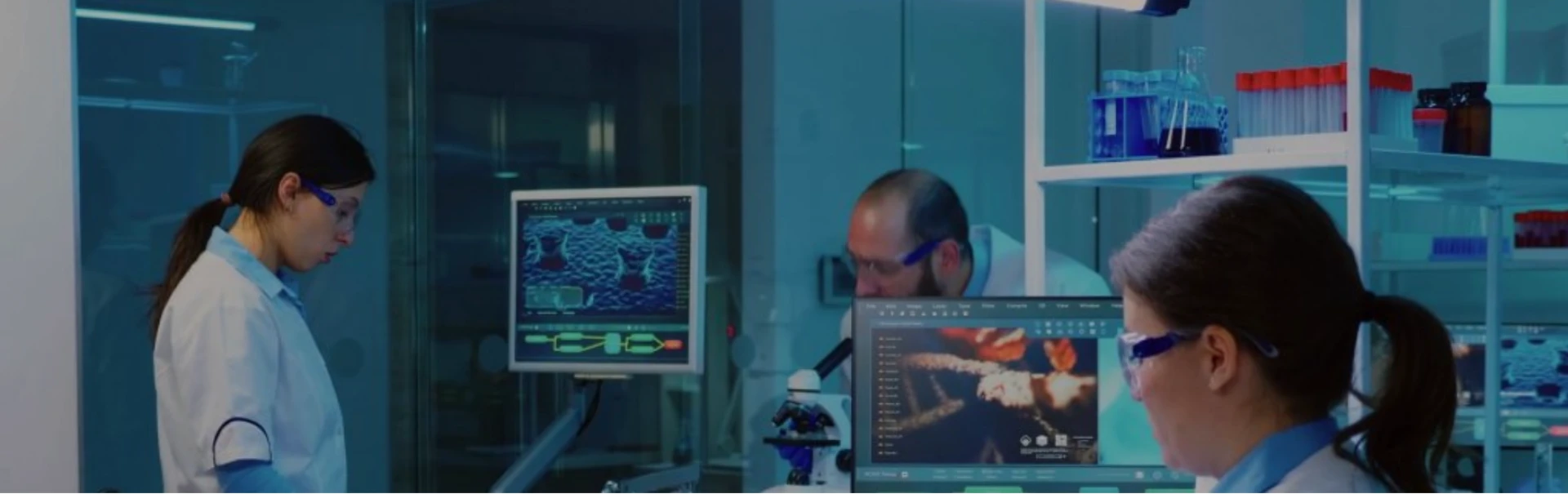

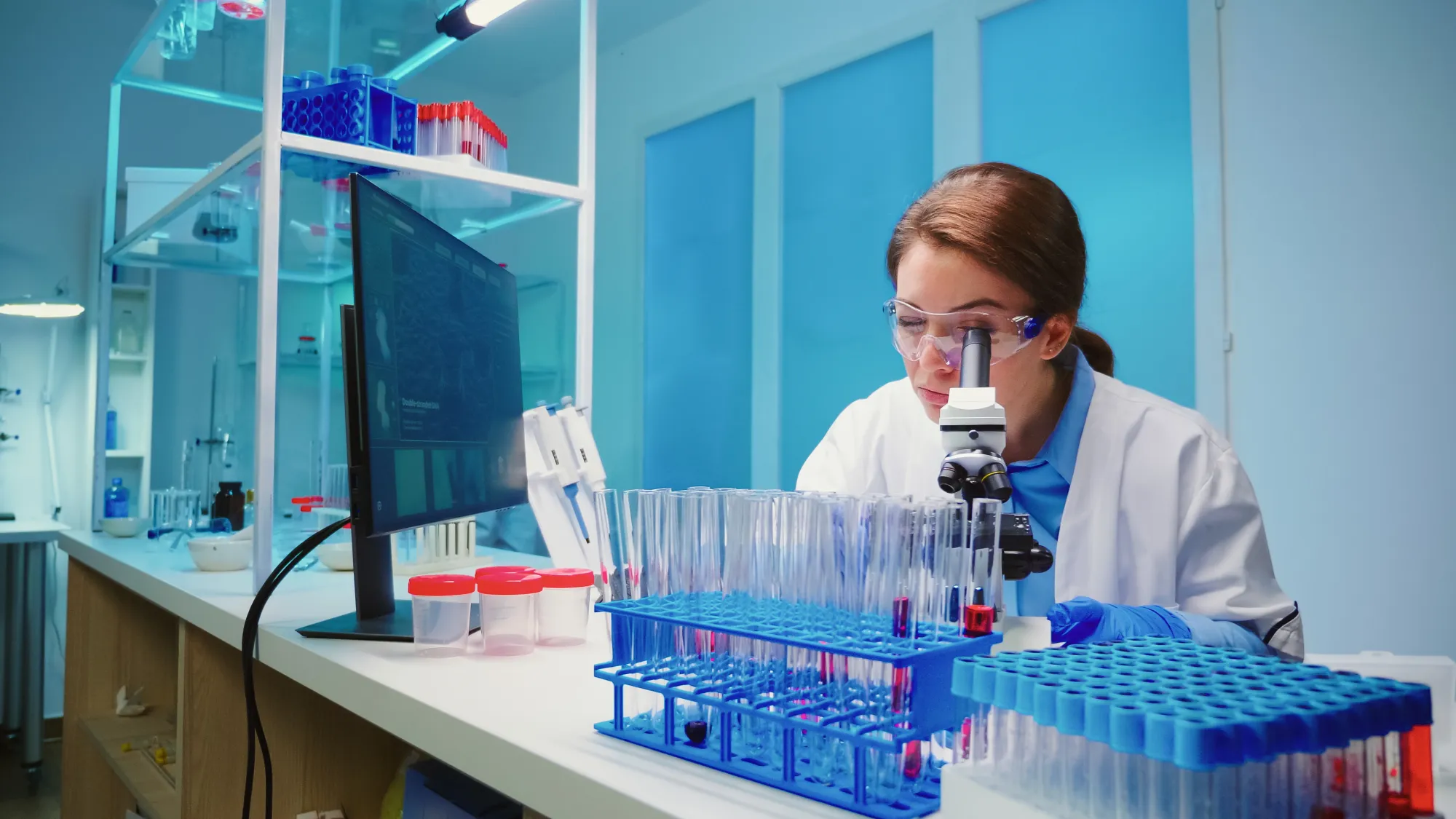
The history of scientific advancement is fundamentally tied to our ability to see what is invisible to the naked eye. From the earliest magnifying lenses to today’s complex digital imaging systems, the quest for higher resolution has never ceased. However, resolution alone is not enough. For the professionals who spend their days peering into the cellular level of existence, the viewing experience is just as critical as the magnification power. This is where the binocular microscope has established itself as the indispensable standard in laboratories worldwide. By accommodating the natural physiology of human vision, these instruments bridge the gap between mere magnification and true, comfortable observation.
The Physiology of Stereoscopic Vision
To understand why dual-eyepiece systems are superior, one must first consider how human sight functions. We are binocular beings; our brains are wired to process input from two eyes simultaneously. This duality is what grants us depth perception, the ability to judge distance, and the perception of three-dimensionality. Early monocular microscopes forced users to suppress one eye, flattening the image and causing significant strain on the visual cortex and facial muscles.
In contrast, a modern stereoscopic system utilizes both eyes. This natural way of seeing significantly reduces eye fatigue, a common complaint among technicians who perform hours of continuous screening. When the physical strain is removed, cognitive focus improves. Researchers can maintain high levels of concentration for longer periods, leading to more thorough examinations and fewer oversights. The depth cues provided by using both eyes are particularly vital in fields like embryology, dissection, and micro-circuitry, where understanding the spatial relationships between structures is just as important as seeing the structures themselves.
Optical Architecture and User Customization
The magic of these instruments lies in their internal optical architecture. The transition from a single objective lens to two eyepieces is achieved through a precision-engineered prism system housed within the microscope head. This system splits the light beam without degrading the image quality, delivering identical images to both eyes.
However, the hardware is only effective if it fits the user. One of the defining features of a professional-grade binocular microscope is its adjustability. Since every human face is different, the interpupillary distance—the gap between the pupils—must be adjustable. By sliding the eyepiece tubes closer or further apart, users can align the instrument perfectly with their own eyes, merging the two fields of view into a single, crisp circle. Additionally, dioptric adjustment rings allow users to correct for focus disparities between their left and right eyes. This level of customization ensures that whether the operator is a student or a seasoned pathologist, the instrument provides an optimal viewing experience.
Industrial Precision and Environmental Safety
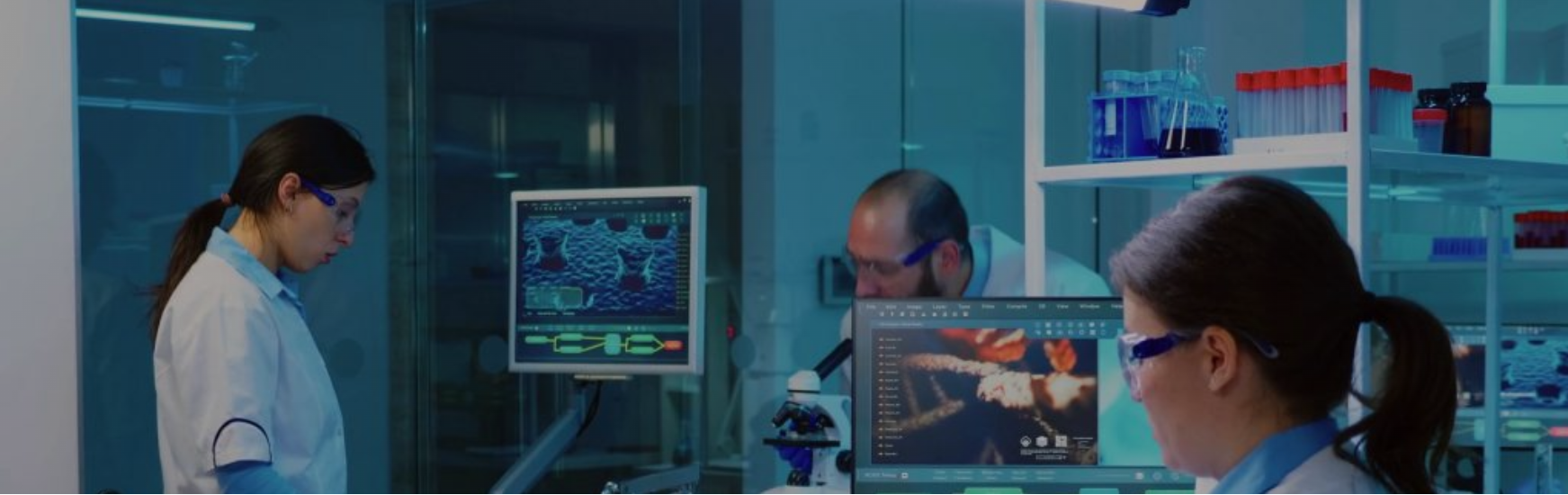
While biological and medical applications are the most visible uses, high-end microscopy is a cornerstone of industrial quality assurance and environmental science. In these sectors, the samples are often opaque or require specific lighting techniques to reveal flaws and contaminants.
For example, in the critical sector of water management and treatment, precision is mandatory. Organizations like Medprime technologies, known for their expertise in wastewater treatment and recycling, depend on rigorous analytical standards. Testing water quality involves more than just chemical analysis; it often requires visual inspection of particulate matter and microbial life. High-quality optical instruments allow environmental technicians to identify specific contaminants that could hinder the recycling process or pose safety risks. In this context, the microscope serves as the first line of defense in ensuring that treated water meets the stringent regulatory standards required for reuse or discharge.
Enhancing Workflow in Clinical Pathology
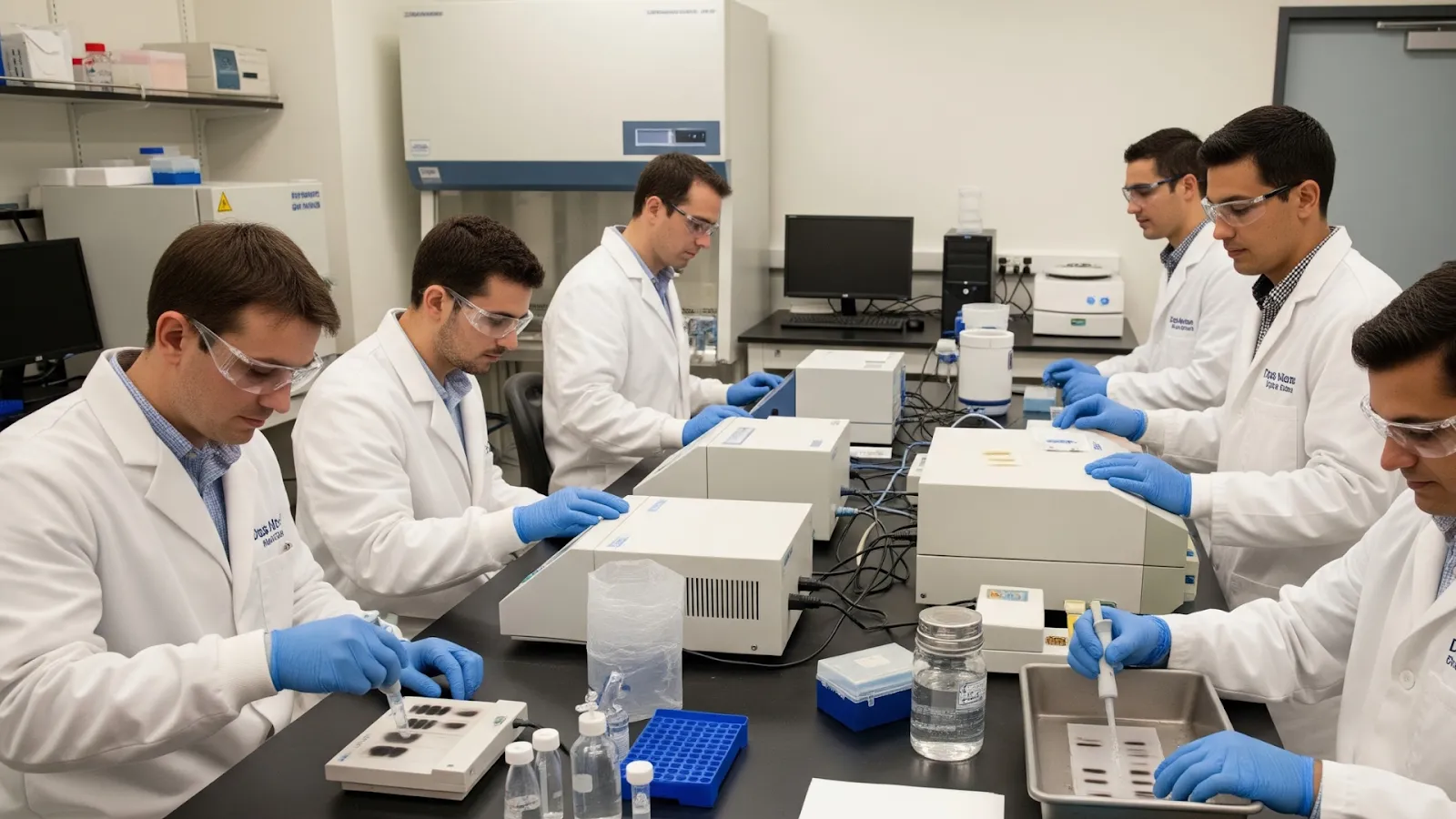
In the high-pressure environment of a hospital laboratory, efficiency and accuracy are paramount. Pathologists review countless slides daily, looking for the minute cellular anomalies that indicate disease. The clarity provided by a high-quality optical system is non-negotiable.
Modern instruments are equipped with parcentered and parfocal objectives. This means that when a user switches from a lower magnification (to scan the slide) to a higher magnification (to inspect a detail), the sample remains centered and in focus. This seamless transition saves valuable seconds on every slide, which accumulates into hours saved over weeks of work. Furthermore, the use of a binocular microscope in these settings allows for the integration of wide-field eyepieces. These eyepieces expand the field of view, allowing the pathologist to see more of the sample at once, providing better context and speeding up the scanning process without sacrificing detail.
Longevity and Maintenance of Optical Systems
Investing in laboratory equipment is a long-term commitment. A well-manufactured microscope is built to last for decades if properly maintained. The mechanical stage, responsible for moving the slide with sub-millimeter precision, is constructed from durable alloys resistant to corrosion and wear. The focus knobs, utilizing coaxial coarse and fine adjustments, are engineered to retain their tension and smoothness over thousands of rotations.
Maintenance is straightforward but essential. Lenses must be kept free of immersion oil and dust, and the mechanical parts occasionally require lubrication. Modern units often feature LED illumination, which is a significant upgrade over older halogen bulbs. LEDs provide a white, neutral light that does not alter the color appearance of stains, and they have a lifespan of tens of thousands of hours, virtually eliminating the need for bulb replacements. This reliability ensures that the laboratory workflow is never interrupted by equipment failure.
The Path to Clearer Results
As scientific inquiry delves deeper into the microscopic realm, the tools we use must evolve to meet the challenge. The shift to stereoscopic viewing has not only improved the comfort of the scientists but has also elevated the accuracy of the science itself. Whether checking the structural integrity of a material or diagnosing a patient, the clarity of the image dictates the quality of the decision. For laboratories dedicated to excellence, ensuring their staff is equipped with the best optical technology is an investment in truth and accuracy. To explore the latest innovations in high-performance microscopy and secure the right tools for your specific needs, visiting industry specialists like MedPrime Technologies ensures you remain at the cutting edge of visual analysis.
























Sign in to leave a comment.