

Vitiligo: Causes, Symptoms, Diagnosis & Advanced Treatment Options
Introduction
Healthy skin derives its color from melanin, a natural pigment produced by specialized cells called melanocytes. In individuals with vitiligo, these pigment-producing cells stop functioning or are destroyed, resulting in white patches on the skin. Although vitiligo is not contagious or life-threatening, it can significantly impact self-esteem and emotional well-being.
Advancements in dermatology have made it possible to manage vitiligo effectively. Early diagnosis, personalized treatment, and consistent follow-up can help stabilize the condition and promote repigmentation in many patients.
What is Vitiligo?
Vitiligo is a chronic autoimmune skin condition in which the body's immune system mistakenly attacks melanocytes, causing loss of skin pigment. This results in well-defined white patches that can appear anywhere on the body, including the face, hands, feet, scalp, lips, and even inside the mouth.
The condition can affect people of all ages, skin types, and ethnicities. While it is not contagious or infectious, its progression varies from person to person.
Common Causes of Vitiligo
Although the exact cause remains unknown, several factors are believed to contribute to the development of vitiligo.
1. Autoimmune Response
The immune system mistakenly destroys melanocytes, leading to depigmented patches on the skin.
2. Genetic Factors
A family history of vitiligo or other autoimmune diseases may increase the likelihood of developing the condition.
3. Oxidative Stress
An imbalance between free radicals and antioxidants may damage melanocytes, contributing to pigment loss.
4. Emotional or Physical Stress
Severe emotional stress, illness, surgery, or trauma may trigger or worsen vitiligo in susceptible individuals.
5. Skin Injury (Koebner Phenomenon)
Cuts, burns, friction, or repeated skin trauma can sometimes lead to new vitiligo patches at the injured site.
6. Associated Autoimmune Disorders
Vitiligo may occur alongside conditions such as thyroid disorders, type 1 diabetes, or alopecia areata.
Types of Vitiligo
Different forms of vitiligo require individualized treatment approaches.
Non-Segmental Vitiligo
The most common type, characterized by symmetrical white patches on both sides of the body.
Segmental Vitiligo
Usually affects one side of the body and often progresses for a limited period before stabilizing.
Focal Vitiligo
Consists of one or a few isolated patches that do not follow a specific pattern.
Universal Vitiligo
A rare form involving extensive pigment loss over most of the body.
Mucosal Vitiligo
Primarily affects the lips, mouth, and genital areas.
Who Is at Risk?
Vitiligo can affect anyone but is more commonly seen in:
- Individuals with a family history of vitiligo
- People with autoimmune disorders
- Individuals with thyroid disease
- Those experiencing significant emotional or physical stress
- People with repeated skin injuries or burns
- Individuals of any age, gender, or skin tone
Signs and Symptoms
Common signs of vitiligo include:
- Well-defined white patches on the skin
- Premature whitening of scalp hair, eyebrows, eyelashes, or beard
- Loss of pigment around the lips or inside the mouth
- Symmetrical depigmented patches
- Gradual enlargement of existing patches
- Occasionally increased sensitivity to sunlight in affected areas
Vitiligo is generally painless and does not cause itching or discomfort unless associated with another skin condition.
How is Vitiligo Diagnosed?
A dermatologist can usually diagnose vitiligo through a detailed clinical examination.
The evaluation may include:
- Complete medical and family history
- Physical examination of the skin
- Wood's Lamp examination to highlight depigmented areas
- Dermoscopic evaluation
- Blood tests to identify associated autoimmune conditions
- Skin biopsy in rare or uncertain cases
Early diagnosis helps initiate timely treatment and improves the chances of successful repigmentation.
Treatment Options
Treatment depends on the type, extent, duration, and activity of vitiligo.
Medical Treatments
Your dermatologist may recommend:
- Topical corticosteroids
- Calcineurin inhibitors
- Topical JAK inhibitors (in selected patients)
- Oral medications to control active disease
- Vitamin and antioxidant supplementation when appropriate
- Sun protection to prevent tanning of surrounding skin
Advanced Dermatological Treatments
Excimer Laser (308 nm)
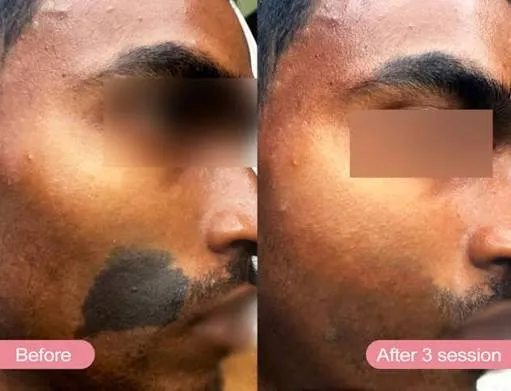
A targeted ultraviolet light treatment that stimulates melanocyte activity and promotes repigmentation in localized vitiligo patches.
NB-UVB Phototherapy
Narrowband UVB therapy is considered one of the most effective treatments for widespread vitiligo. Regular sessions help stimulate pigment-producing cells and slow disease progression.
Microneedling with Medical Solutions
Microneedling may enhance the absorption of topical medications and support repigmentation in selected patients when combined with other therapies.
Melanocyte Transfer Surgery
For stable vitiligo that has not changed for an extended period, melanocyte transplantation or skin grafting may restore pigmentation in carefully selected patients.
Combination Therapy
The best outcomes are often achieved through a personalized combination of medications, phototherapy, laser treatments, and supportive skincare.
Daily Skin Care Tips
Proper skin care plays an important role in managing vitiligo.
- Apply broad-spectrum sunscreen (SPF 30 or higher) daily.
- Protect affected skin from excessive sun exposure.
- Moisturize regularly to maintain skin health.
- Avoid unnecessary skin trauma, cuts, or burns.
- Manage stress through healthy lifestyle habits.
- Eat a balanced diet rich in antioxidants and essential nutrients.
- Follow your dermatologist's treatment plan consistently.
Common Myths About Vitiligo
Myth: Vitiligo is contagious.
Fact: Vitiligo cannot spread through touch or physical contact.
Myth: Only people with dark skin develop vitiligo.
Fact: Vitiligo affects all skin tones, although it is often more noticeable in darker skin.
Myth: Vitiligo is caused by poor hygiene.
Fact: The condition is autoimmune in nature and has no relation to personal cleanliness.
Myth: Vitiligo cannot be treated.
Fact: While there is no universal cure, many treatments can slow progression and restore pigmentation in suitable patients.
When Should You Visit a Dermatologist?
Seek professional evaluation if:
- You notice new white patches on your skin
- Existing patches are increasing in size or number
- White patches appear on the face, hands, or other visible areas
- Hair within affected areas begins turning white
- You have a family history of vitiligo or autoimmune diseases
- You wish to explore treatment options for repigmentation
Early intervention offers the best opportunity to stabilize the disease and improve cosmetic outcomes.
Conclusion
Vitiligo is a chronic autoimmune condition that causes the loss of natural skin pigment. Although it is not contagious or harmful to physical health, it can have a significant emotional and psychological impact. Early diagnosis and a personalized treatment plan are essential for managing the condition effectively.
With modern dermatological treatments such as NB-UVB Phototherapy, Excimer Laser, Microneedling with Medical Solutions, and Melanocyte Transfer Surgery, along with appropriate medications and sun protection, many patients achieve significant repigmentation and long-term disease control. Consulting a qualified dermatologist ensures accurate diagnosis, individualized care, and the best possible treatment outcomes.
Clinic Address
Dr. Aggarwal's Clinic
H No. 119, New Power House Road
Near Deeksha Classes
Jodhpur, Rajasthan
Appointment Booking
📞 9239993999




















Sign in to leave a comment.