

Customer expectations have changed dramatically over the last few years. People no longer want to wait endlessly for email replies, sit on hold for long periods, or repeat the same information to multiple representatives. They want immediate responses, natural conversations, and personalized interactions that solve problems quickly.
This shift has forced businesses to rethink how they approach customer engagement. Companies that continue relying on outdated communication systems often struggle to keep pace with growing customer expectations. Meanwhile, businesses embracing smarter communication tools are finding new ways to deliver faster, more meaningful experiences.
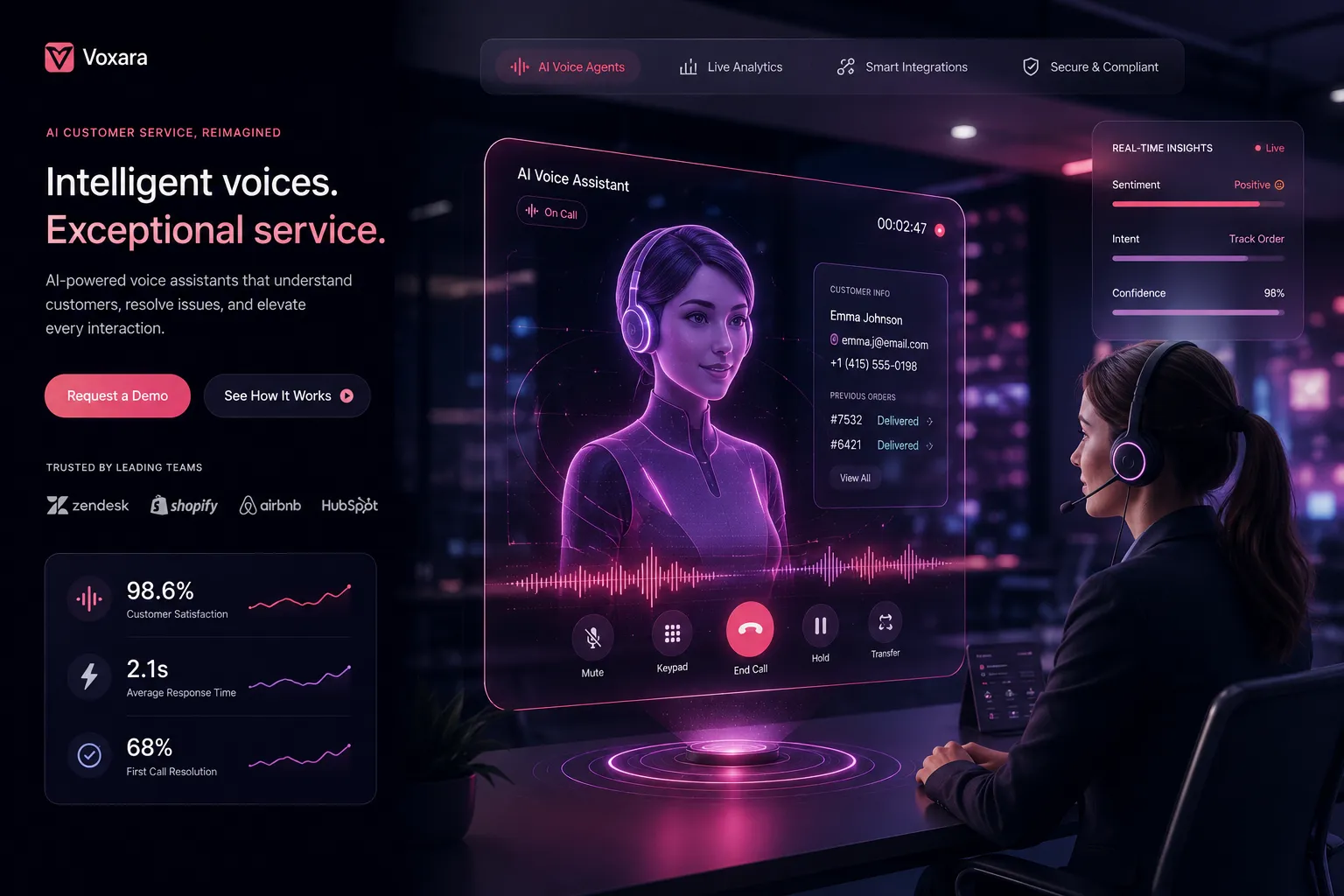
This is where Voice AI is changing the game. Instead of replacing human interaction, intelligent voice technology is helping businesses create smoother, faster, and more responsive customer experiences while maintaining personalization at scale.
Why Customer Experience Has Become a Competitive Advantage
Customer experience is no longer limited to resolving complaints. It now plays a direct role in how customers view a brand, whether they stay loyal, and even how likely they are to recommend a business.
Modern consumers expect:
- Faster responses across channels
- Personalized conversations
- 24/7 accessibility
- Frictionless issue resolution
- Consistent communication
The challenge is simple: customer expectations are increasing faster than traditional support teams can scale.
Businesses that fail to adapt often face:
- Higher customer frustration
- Increased churn rates
- Longer response times
- Poor brand perception
This growing gap between expectations and service delivery is why many companies are investing in Voice AI to create more efficient customer interactions.
How Intelligent Voice Technology Improves Customer Experience
Unlike traditional automated systems that rely on rigid scripts and frustrating menu options, intelligent voice systems understand language, context, and customer intent more naturally.
Here’s how businesses are benefiting:
1. Faster Response Times
One of the biggest reasons customers become frustrated is waiting.
Intelligent voice systems reduce wait times by instantly answering questions, routing calls correctly, and resolving common concerns without forcing customers through multiple layers of support.
Whether it is appointment scheduling, payment assistance, order tracking, or FAQs, automation creates quicker resolutions without sacrificing quality.
2. Personalized Customer Conversations
Today’s customers expect businesses to remember preferences, previous interactions, and ongoing concerns.
Modern voice systems can analyze customer context and provide tailored responses based on:
- Purchase history
- Previous interactions
- Service preferences
- Account information
This creates conversations that feel more relevant and less robotic, improving trust and customer satisfaction.
3. Always-On Customer Availability
Businesses no longer operate in fixed hours, and customers certainly do not expect limited access anymore.
One major advantage of using a Voice AI Platform is the ability to provide round-the-clock assistance without significantly increasing operational costs.
Customers can receive support during weekends, holidays, or after business hours without waiting for human agents to become available.
This creates a stronger customer relationship because help feels consistently accessible.
4. Reduced Pressure on Human Support Teams
Human representatives still play an essential role in customer relationships. However, repetitive tasks often consume valuable time.
Simple requests like:
- Password resets
- Order status checks
- Billing inquiries
- Appointment confirmations
can be handled automatically.
This allows support teams to focus on more complex customer situations that require empathy, judgment, and deeper problem-solving.
As a result, employee productivity improves while customer satisfaction remains high.
Why Businesses Are Prioritizing Smarter Communication
Companies are increasingly realizing that customer experience directly affects revenue growth.
Poor communication creates friction. Better communication builds loyalty.
Organizations using Voice AI are seeing benefits such as:
Better Customer Retention
Customers are more likely to remain loyal when interactions feel seamless and helpful.
Faster Problem Resolution
Issues are solved quickly, reducing customer frustration and improving satisfaction.
Scalable Customer Service
Businesses can handle growing customer volumes without dramatically increasing staffing costs.
Improved Brand Perception
Fast and intelligent responses create a more modern and reliable brand image.
This growing focus on customer communication is why businesses are also exploring solutions like Voice AI for Customer Support to streamline service experiences while maintaining consistency across touchpoints.
Industries Benefiting from Intelligent Voice Technology
The adoption of intelligent voice solutions is expanding rapidly across industries.
Retail & E-commerce
Businesses use voice systems for order updates, returns, product recommendations, and customer assistance.
Healthcare
Voice technology helps with appointment reminders, patient engagement, and answering common service inquiries.
Banking & Financial Services
Institutions improve accessibility through account support, transaction updates, and fraud notifications.
Hospitality & Travel
Hotels and travel companies use automated voice assistance for bookings, support, and customer engagement.
The Biggest Misconception About Voice Automation
Many businesses worry that intelligent voice systems will feel impersonal.
The reality is quite different.
Modern Voice AI focuses on enhancing human interactions rather than replacing them completely. Automation handles repetitive and time-sensitive tasks while human agents step in for emotionally complex or specialized situations.
The result is a hybrid customer experience that feels faster, smarter, and more efficient.
Businesses that understand this balance are creating service models that customers actually appreciate.
Staying Ahead in a Customer-First Economy
Businesses today are competing on experience just as much as products or pricing. A delayed response, frustrating support interaction, or poor communication can quickly damage customer trust. On the other hand, companies that provide quick, intelligent, and seamless interactions are more likely to build lasting relationships.
As customer expectations continue evolving, businesses need technologies that help them remain responsive without overwhelming support teams. Intelligent voice technology is helping organizations bridge this gap by improving accessibility, reducing friction, and making customer interactions more meaningful.
Companies that invest early in better communication systems are not simply improving efficiency; they are positioning themselves to stay competitive in a customer-first future.
FAQs
1. What is Voice AI in customer experience?
Voice AI refers to intelligent voice technology that helps businesses automate and improve customer interactions through natural conversations and faster responses.
2. How does Voice AI improve customer satisfaction?
It reduces waiting times, provides personalized communication, and offers faster issue resolution, leading to a better overall experience.
3. Can Voice AI replace human customer support?
No. It works best alongside human teams by handling repetitive tasks while allowing agents to focus on complex customer concerns.
4. Which industries benefit the most from Voice AI?
Retail, healthcare, banking, hospitality, and customer service-focused industries benefit significantly from intelligent voice systems.
5. Is Voice AI expensive for businesses?
Costs vary depending on business size and requirements, but many organizations.




























Sign in to leave a comment.