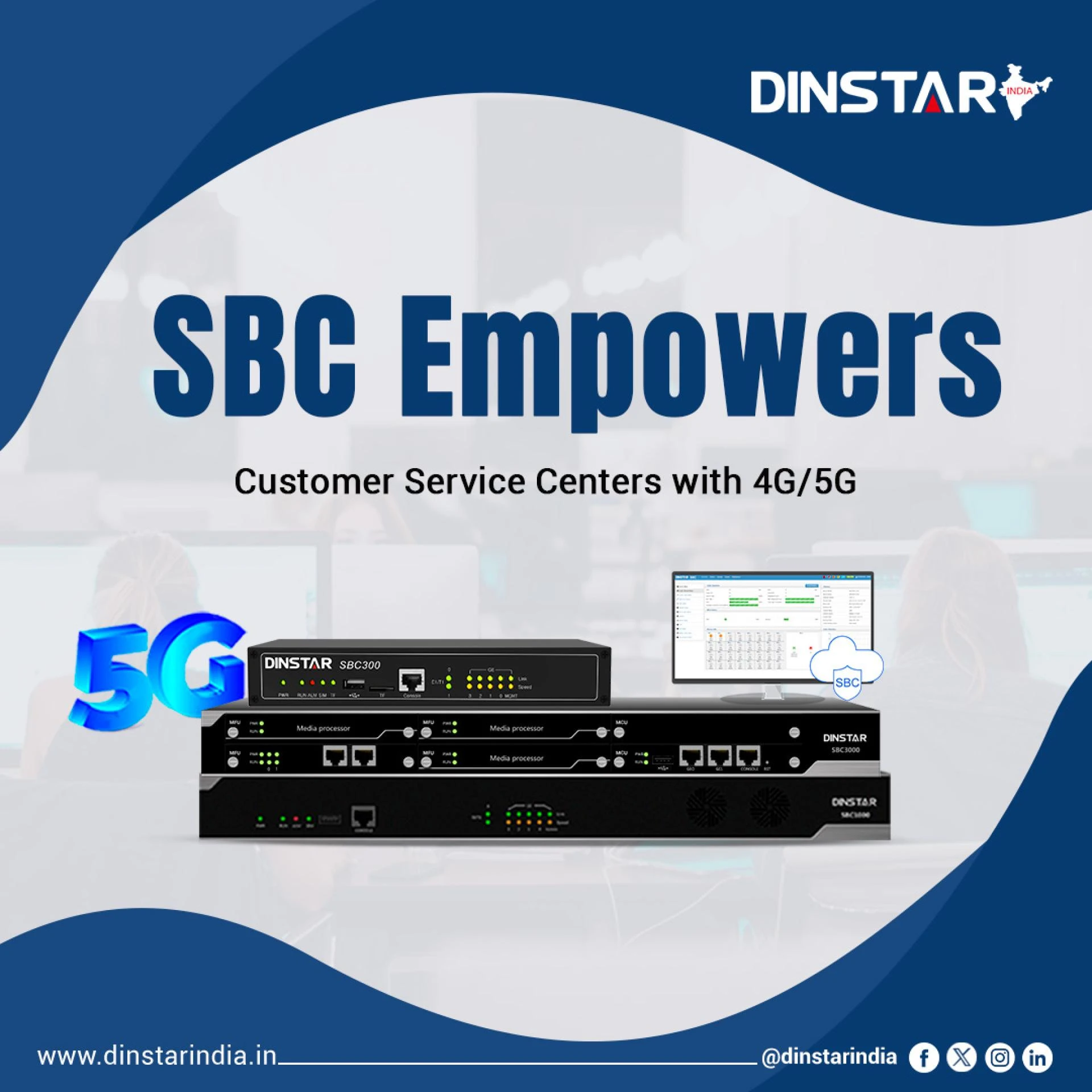

In today’s fast-paced digital landscape, Voice over Internet Protocol (VoIP) has become the standard for business communication. Whether you’re a small enterprise or a large organization, VoIP offers cost savings, flexibility, and scalability compared to traditional telephony. However, as VoIP systems become more widely used, they have also become attractive targets for cybercriminals. Attacks like toll fraud, eavesdropping, denial-of-service (DoS), and SIP-based hacking are increasingly common.
This is where a VoIP firewall comes in — and in most modern setups, this role is best performed by a Session Border Controller (SBC). An SBC doesn’t just route VoIP traffic; it provides robust firewall capabilities, securing your network from malicious attacks while ensuring high-quality communication.
In this blog, we’ll explore what a VoIP firewall is, how an SBC functions as a VoIP firewall, and why it’s crucial for businesses to integrate one into their communication systems.
What is a VoIP Firewall?
A VoIP firewall is a specialized network security system that monitors and controls VoIP traffic. Unlike traditional firewalls that are designed for general internet traffic, a VoIP firewall is optimized for SIP (Session Initiation Protocol) and RTP (Real-Time Transport Protocol) — the backbone of VoIP communication.
It helps to:
- Block unauthorized access to your VoIP network.
- Prevent VoIP-specific threats like SIP flooding, spoofing, and toll fraud.
- Maintain call quality by prioritizing legitimate traffic over suspicious activity.
While basic firewalls can filter traffic, they often fail to understand the complexity of VoIP packets. This is where an SBC (Session Border Controller) comes into play — it acts as a smart VoIP firewall tailored for real-time communication.
Why Session Border Controllers Are the Ultimate VoIP Firewalls
A Session Border Controller (SBC) is a network device specifically designed for VoIP systems. It sits at the border between your private network and the public internet or between two different VoIP networks, acting as a security gatekeeper.
Here’s why an SBC is more than just a firewall:
- Advanced VoIP Traffic Inspection
- Unlike generic firewalls, SBCs understand VoIP protocols (SIP, RTP, SRTP). They can inspect and filter traffic at the application level, ensuring that only legitimate calls are allowed.
- Protection Against SIP Attacks
- SBCs prevent SIP flooding, spoofing, and brute-force registration attempts — common tactics used by hackers to disrupt VoIP networks.
- Encryption & Privacy
- SBCs enable secure signaling (TLS) and encrypted voice streams (SRTP), protecting your communication from eavesdropping and data theft.
- DoS & DDoS Mitigation
- SBCs detect and block Denial-of-Service (DoS) and Distributed DoS attacks, keeping your VoIP network functional even during malicious traffic spikes.
- Interoperability & Call Quality
- SBCs don’t just protect; they also optimize. They manage codecs, fix signaling mismatches, and ensure smooth communication across different VoIP platforms.
In essence, an SBC combines the roles of a VoIP firewall, traffic optimizer, and protocol translator into one device — making it a critical component for any secure VoIP setup.
Why Do Businesses Need a VoIP Firewall (SBC)?
As businesses increasingly rely on cloud-based PBX systems, SIP trunks, and remote communication, their networks face multiple security risks. Here are some real-world VoIP threats that an SBC helps mitigate:
- Toll Fraud: Hackers exploit VoIP systems to make unauthorized international calls, leading to huge bills.
- Call Hijacking: Attackers intercept calls and reroute them for malicious purposes.
- Service Disruption: DoS and SIP flooding attacks can crash VoIP servers, resulting in downtime.
- Data Breaches: Unencrypted VoIP traffic can expose sensitive conversations.
Without a VoIP firewall (SBC), businesses are vulnerable to these costly attacks. An SBC provides layered security — ensuring that only verified users and devices can access your network.
How Does an SBC Work as a VoIP Firewall?
A Session Border Controller protects VoIP networks through:
- Deep Packet Inspection (DPI)
- SBCs analyze VoIP traffic at a granular level, filtering out suspicious activity without affecting call quality.
- Access Control
- Only authorized SIP endpoints are allowed to connect, preventing unauthorized devices from exploiting the system.
- Session Management
- SBCs manage active calls (sessions), prioritizing bandwidth for legitimate traffic and throttling malicious connections.
- NAT Traversal & Topology Hiding
- SBCs mask your internal network structure, making it harder for attackers to map and exploit your infrastructure.
- Failover & Redundancy
- In case of an attack or system failure, SBCs reroute calls to backup servers, ensuring uninterrupted communication.
Key Benefits of Using an SBC as Your VoIP Firewall
- Enhanced Security: Protects against SIP-based threats, DoS attacks, and fraud.
- Improved Call Quality: Manages bandwidth, codecs, and network performance for clear calls.
- Regulatory Compliance: Helps meet industry standards for data privacy and security.
- Future-Proofing: Adapts to evolving VoIP technologies and communication protocols.
How to Choose the Right SBC for Your Business
When selecting an SBC as your VoIP firewall, consider:
- Scalability: Can it handle your current and future call volumes?
- Security Features: Look for strong encryption, DoS protection, and access control.
- Compatibility: Ensure it integrates with your existing PBX and SIP providers.
- Performance: Choose an SBC that balances security with high-quality voice transmission.
Popular SBC solutions like Dinstar SBCs provide robust VoIP firewall capabilities, making them ideal for SMEs, ISPs, and large enterprises.
Final Thoughts
VoIP has revolutionized business communication, but it has also introduced new security challenges. A VoIP firewall — especially when implemented through a Session Border Controller (SBC) — is crucial to safeguard your network against cyber threats.

























Sign in to leave a comment.