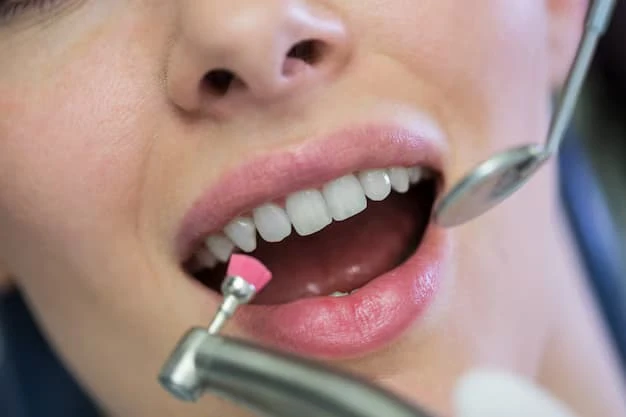

Not every smile concern is dramatic. Sometimes it is only a chipped corner, a faint crack, or a tiny space between teeth. Yet even these small details can quietly affect your confidence. You may find yourself smiling less, covering your mouth when you laugh, or avoiding close conversations and photos.
These habits often develop without you realising it. The reassuring part is that such issues rarely need complex or invasive treatment. Composite bonding offers a careful and conservative solution that improves the appearance of your teeth. It preserves your natural tooth structure and enhances the smile you already have.
What Composite Bonding Actually Means
Composite bonding is a dental treatment that uses tooth-coloured resin to repair or reshape teeth. The material is carefully applied, shaped, and hardened with a curing light. Once set, it blends smoothly with the surrounding enamel.
Unlike crowns or veneers, composite bonding usually requires little or no drilling. This makes it a conservative option for people who want change without removing healthy tooth tissue.
Dentists often recommend it for small to moderate cosmetic concerns. The process is direct, efficient, and comfortable for most patients.
Why Small Corrections Matter More Than You Think
Minor adjustments can create a surprising visual shift. A single uneven tooth may draw more attention than you realise. When corrected, the entire smile appears balanced.
Composite bonding can help with:
- Small chips or cracks
- Slight gaps between teeth
- Uneven edges
- Discolouration that whitening cannot fix
- Short or worn teeth
These changes may look subtle on paper. In real life, they can feel life-changing. Even modest improvements can restore confidence during daily conversations.
A Careful Blend of Skill and Detail
Applying composite bonding is not simply filling a space. It requires attention to colour, texture, and shape. Dentists select shades that match natural enamel and build the resin in layers to mimic the way light reflects off teeth.
Each tooth is sculpted by hand. Edges are smoothed and polished so the finish feels natural. When done properly, it becomes difficult to tell where the resin ends and the tooth begins.
This level of care ensures that composite bonding looks authentic rather than artificial.
What Happens During the Appointment
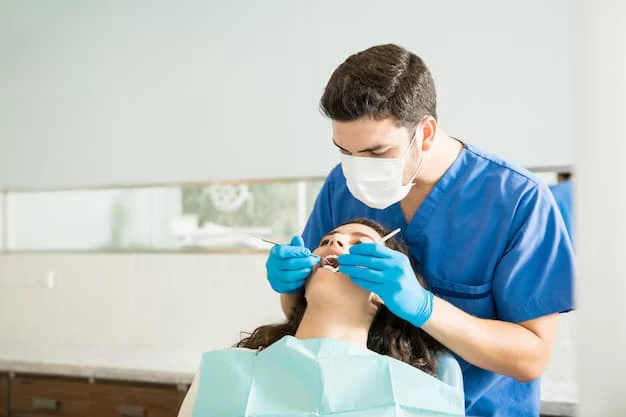
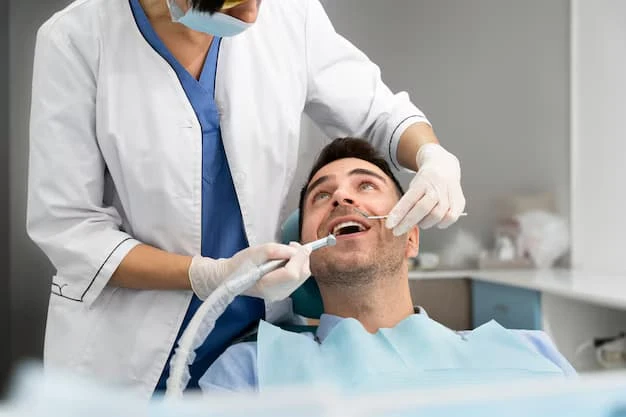
Many people are surprised by how straightforward the process is. A typical composite bonding visit is calm and does not usually require injections.
The steps often include:
- Cleaning and preparing the tooth surface
- Lightly roughening the enamel for better grip
- Applying the bonding resin
- Shaping and sculpting the material
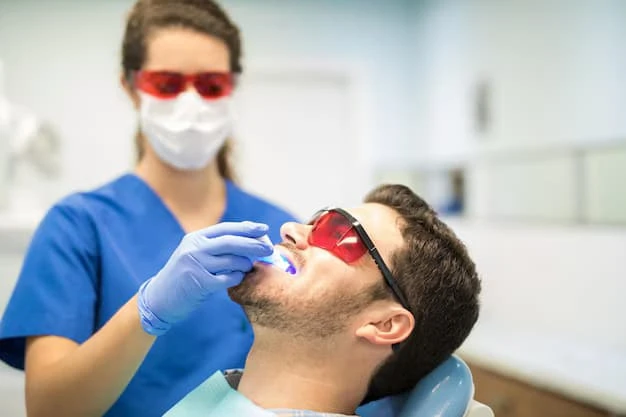
- Hardening it with a curing light
- Final polishing for a smooth finish
Most treatments are completed in one session. You can often leave the clinic with your improved smile the same day.
Preserving Natural Tooth Structure
One of the key benefits of composite bonding is how conservative it is. Traditional restorations sometimes require enamel removal. Bonding usually does not.
Because the natural tooth remains largely untouched, the treatment is considered reversible in many cases. This makes it suitable for younger patients or those who prefer minimal intervention.
Keeping more of your original tooth structure supports long-term oral health. It also allows flexibility if future treatments are needed.
Everyday Comfort and Practical Benefits
Composite bonding does more than improve appearance. It can also protect teeth and improve comfort.
- Covers exposed dentin to reduce sensitivity
- Repairs chips that could worsen over time
- Smooths rough edges that irritate the tongue
- Supports even biting pressure
- Makes cleaning easier by closing small gaps
These functional benefits show that composite bonding is not only cosmetic. It supports daily comfort and dental stability.
How Long Does Composite Bonding Last?
Longevity depends on habits and care. With good maintenance, composite bonding can last several years before needing touch-ups.
The material is strong but not indestructible. Avoid biting hard objects such as ice or pens. Limiting staining drinks like coffee or tea can also help maintain colour.
Regular check-ups allow your dentist to monitor the bonded areas and polish them if needed. Small repairs are usually quick and simple. When cared for properly, composite bonding remains a reliable solution for many patients.
Who Might Benefit From This Treatment
Composite bonding suits a wide range of people. It is often ideal for those who want visible improvement without complex procedures.
You may consider composite bonding if you:
- Have minor cosmetic flaws
- Prefer a non-invasive option
- Want results in a single visit
- Are not ready for veneers or crowns
- Seek a cost-conscious approach
A dental consultation will help determine if bonding fits your needs. Each smile is different, so personal assessment matters.
The Confidence Effect
Changes to your smile can affect more than appearance. They can influence how you speak, laugh, and interact with others. When you feel comfortable with your teeth, you smile more freely.
Many patients notice they stop hiding their mouths or avoiding close conversations after composite bonding. That quiet confidence often carries into work, social settings, and everyday life.
Feeling at ease with your smile may seem small, yet it has a strong emotional impact.
Caring for Your Bonded Teeth
After treatment, simple habits help maintain results.
- Brush twice daily with a soft brush
- Floss gently around bonded areas
- Attend routine dental visits
- Limit staining foods and drinks
- Avoid using teeth as tools
These steps protect both natural enamel and composite bonding, keeping your smile fresh and healthy.
Final Thoughts
Composite bonding offers a gentle, practical way to refine your smile without extensive dental work. It corrects small flaws while preserving natural tooth structure and comfort. The process is straightforward, and results appear quickly.
Beyond appearance, composite bonding supports everyday function and confidence. With careful planning and proper aftercare, improvements can last for years. This treatment offers a balanced approach between oral health and appearance for anyone seeking subtle yet meaningful change. It helps you feel relaxed and proud each time you smile.























Sign in to leave a comment.