

Your drains look fine on the surface — but underneath, your sewer line might be screaming for help.is
Most homeowners don't think about their sewer line until something goes very wrong. And by then? The damage is already expensive. According to the American Society of Civil Engineers (ASCE), nearly 900 billion gallons of untreated sewage spill from aging U.S. systems every single year. That's not just a city problem — it starts right under your home. If you've noticed slow drains, weird smells, or wet patches in your yard, don't brush it off. Whether you're a homeowner in Studio City or anywhere in Southern California, knowing when to call for expert sewer repair in Studio City could save you thousands in damage costs. This post breaks down the real warning signs — no sugarcoating.
What Exactly Is a Sewer Line and Why Does It Matter?
Think of your sewer line like the main highway that carries all your household waste away — everything from your toilets, sinks, and showers runs through this one pipe. It connects your home to the city's main sewer system buried under the street.
When it works, you never notice it. When it doesn't? You absolutely will.
Most sewer lines are made from older clay, cast iron, or Orangeburg pipe (a material made from wood pulp and pitch — basically cardboard). In older homes, especially those built before the 1980s, these materials have had a long life and many are now failing. Tree roots, ground shifting, and everyday wear tear them apart slowly.
Multiple Drains Clogging at the Same Time
One slow drain might just be a hairball. But when two, three, or more drains are slow or backing up at the same time your kitchen sink, bathroom, and tub that's a completely different problem.
This almost always points to a blockage or break somewhere in the main sewer line, not just a single fixture.
Ask yourself:
- Is more than one drain backing up at the same time?
- Does flushing the toilet cause your tub to bubble or gurgle?
- Is water backing up in strange places (like water in the tub when you run the washing machine)?
If you answered yes to any of these stop using water and call a plumber immediately.
Sewage Smell Inside (or Outside) Your Home
A healthy sewer line is completely sealed. You should never smell sewage inside your house — period.
If you're catching a faint egg smell or something that reminds you of a portable toilet, it means sewer gases like hydrogen sulfide are leaking somewhere. This isn't just unpleasant — it can be dangerous at high concentrations.
Outside your home, if there's a strong sewage odor near the yard or around a specific patch of grass, that's a sign the pipe may have cracked underground.
Pro Tip: Don't mask the smell with air fresheners and forget it. That odor is your home telling you something is wrong with the sewer system.
Unusually Lush or Soggy Patches in Your Yard
This one surprises a lot of homeowners. You might think, "Oh, that part of the yard is just getting more water. "But if you haven't watered that spot more than usual and it's greener, softer, or soggier than the rest your sewer line might be leaking right underneath it.
Sewage acts as fertilizer (gross but true). So when a pipe breaks underground, the grass above it literally thrives. It's like nature pointing an arrow at the problem.
Signs to look for in your yard:
- A specific section that's always wet or muddy even without rain
- Grass that's noticeably darker green in a line across the yard
- Sinkholes or indentations forming near that wet area
- Pooling water that doesn't drain after a day or two
Gurgling Sounds from Your Toilets or Drains
Your pipes should be quiet. If your toilet is making a gurgling noise after you flush — or if you hear bubbling sounds from a drain that's not even in use — air is trapped somewhere it shouldn't be.
This usually means there's a partial blockage or a break in the line that's causing air pressure to move in the wrong direction.
Here's a simple analogy: Imagine drinking a smoothie through a straw that has a small hole in the middle. You'd hear that weird sucking noise, right? That's basically what's happening in your pipes.
Water Backing Up in Unexpected Places
This one is a big red flag. If you flush the toilet and water starts bubbling up in the shower drain — or you run the washing machine and your toilet overflows — that's a classic sign the main sewer line is blocked or broken.
Water always finds the path of least resistance. If the main line is blocked, it will back up into whatever drain is lowest in your home.
| Situation | What It Likely Means |
| The toilet bubbles when you flush | Partial sewer blockage |
| The tub fills up when you run the washer | Main sewer line obstruction |
| Multiple drains are slow at the same time | Sewer line damage or root intrusion |
| Sewage backing up into the basement drain | Severe main line blockage or collapse |
Foundation Cracks or Settling
This is the scariest one on the list — and the most expensive if ignored.
When a sewer line leaks for a long time under your home's foundation, the water softens the soil. As the ground shifts, the foundation can crack or start to sink. By the time you see cracks forming in your walls or floors, the damage underneath can be severe.
This doesn't happen overnight, but if you're noticing hairline cracks in your drywall combined with any of the other signs on this list — get a sewer inspection right away.
Increased Pest Activity
Cockroaches, rats, and other pests can enter homes through cracked sewer lines. They're naturally drawn to the moisture and smell, and even a small crack in the pipe gives them a way in.
If you've suddenly noticed more bugs or rodents and can't explain why, it might be worth checking your sewer line. This is especially common in older neighborhoods like parts of Studio City where pipes are decades old.
What Causes Sewer Line Damage in the First Place?
Understanding the "why" helps you act faster. Here are the most common causes:
- Tree root intrusion — Roots seek water. They'll find the smallest crack in a pipe and grow right through it. This is one of the top causes of sewer damage in suburban neighborhoods.
- Aging pipes — Clay pipes from the 1950s–70s weren't built to last forever. After 40–50 years, they crack, collapse, or corrode.
- Ground shifting — Earthquakes and soil movement (very real in California) can shift pipe joints and cause breaks.
- Grease buildup — Pouring cooking oil down the drain is one of the worst things you can do. It solidifies inside the pipe over time and causes blockages.
- Flushing the wrong things — "Flushable" wipes are not actually flushable. Neither are paper towels, cotton balls, or feminine hygiene products.
What Happens If You Ignore the Warning Signs?
Here's where things get real. Ignoring a sewer line problem doesn't make it go away — it makes it worse. And the costs jump fast. The earlier you catch it, the cheaper the fix is. It really is that simple.
What Should You Do If You Notice These Signs?
Step 1: Stop using water if you have sewage backing up. This prevents more waste from entering a broken system.
Step 2: Don't try to DIY. Sewer issues need professional camera inspection — a plumber runs a camera through the pipe to see exactly what's happening without digging.
Step 3: Call a licensed plumber who specializes in sewer line repair. Ask specifically for a video inspection before any work begins.
Step 4: Get a written estimate and understand your repair options. Modern solutions like trenchless pipe lining can fix the problem without destroying your yard.
Step 5: Check if your homeowner's insurance covers sewer line repairs. Some policies do — many don't, but it's worth a call.
Trenchless Repair vs. Traditional Dig-and-Replace
A lot of homeowners don't know that modern sewer repair doesn't always mean digging up your entire yard. Here's a quick comparison:
Trenchless repair feeds a new liner into the existing pipe and hardens it in place. It's faster, cleaner, and usually less expensive. Always ask if your plumber offers this option.
Conclusion
Your sewer line works silently every single day — and most people only think about it when it's already failing. The warning signs covered here — from multiple clogging drains and sewage smells to soggy yard patches and foundation cracks — are your home's way of asking for help. Don't wait until the problem becomes a disaster.
If you're in the Studio City area and noticing any of these signs, getting a professional inspection sooner rather than later is the smartest move you can make. Modern plumbing companies offer camera inspections that make it easy to see exactly what's going on before spending a single dollar on repairs.
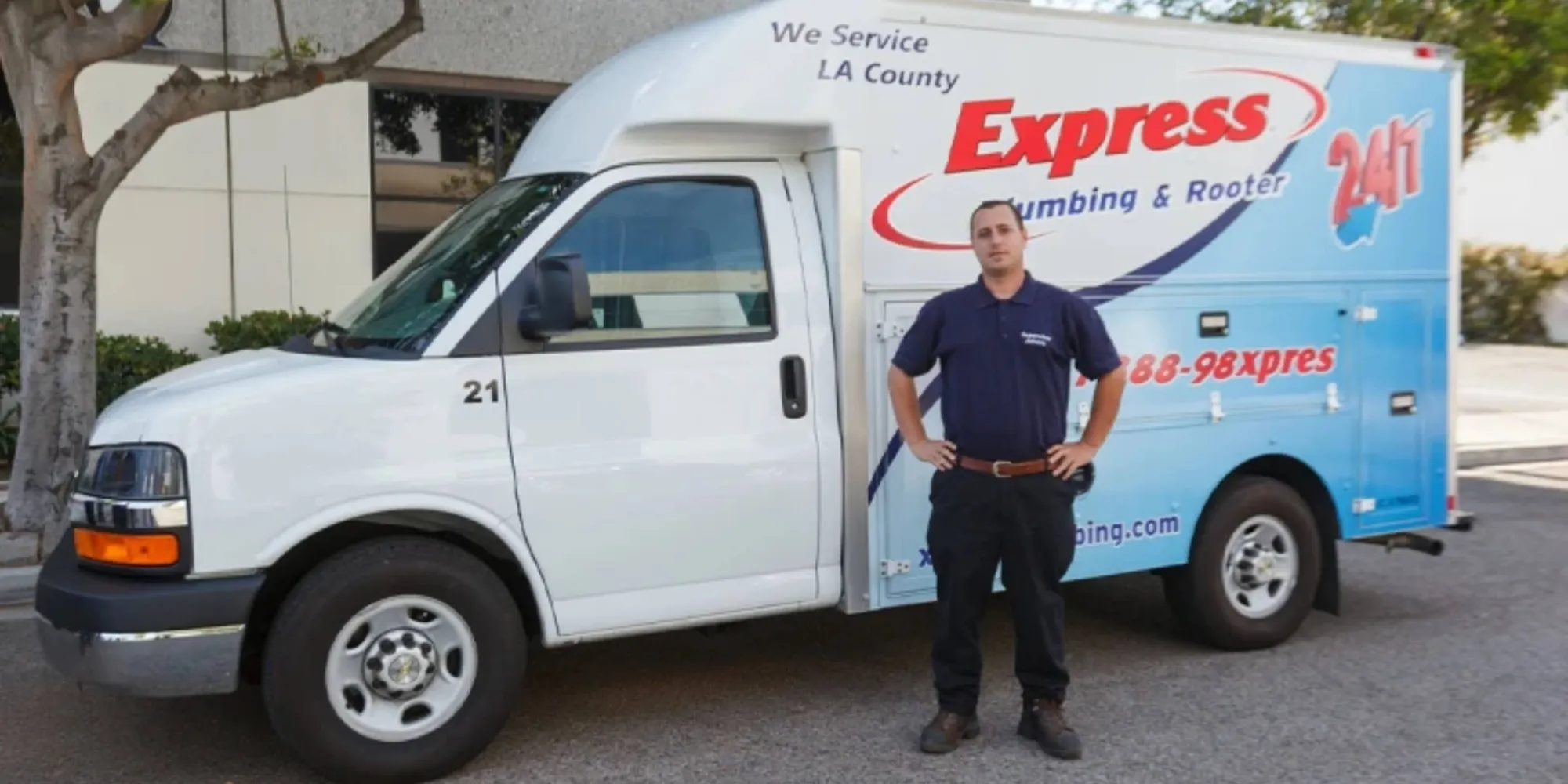
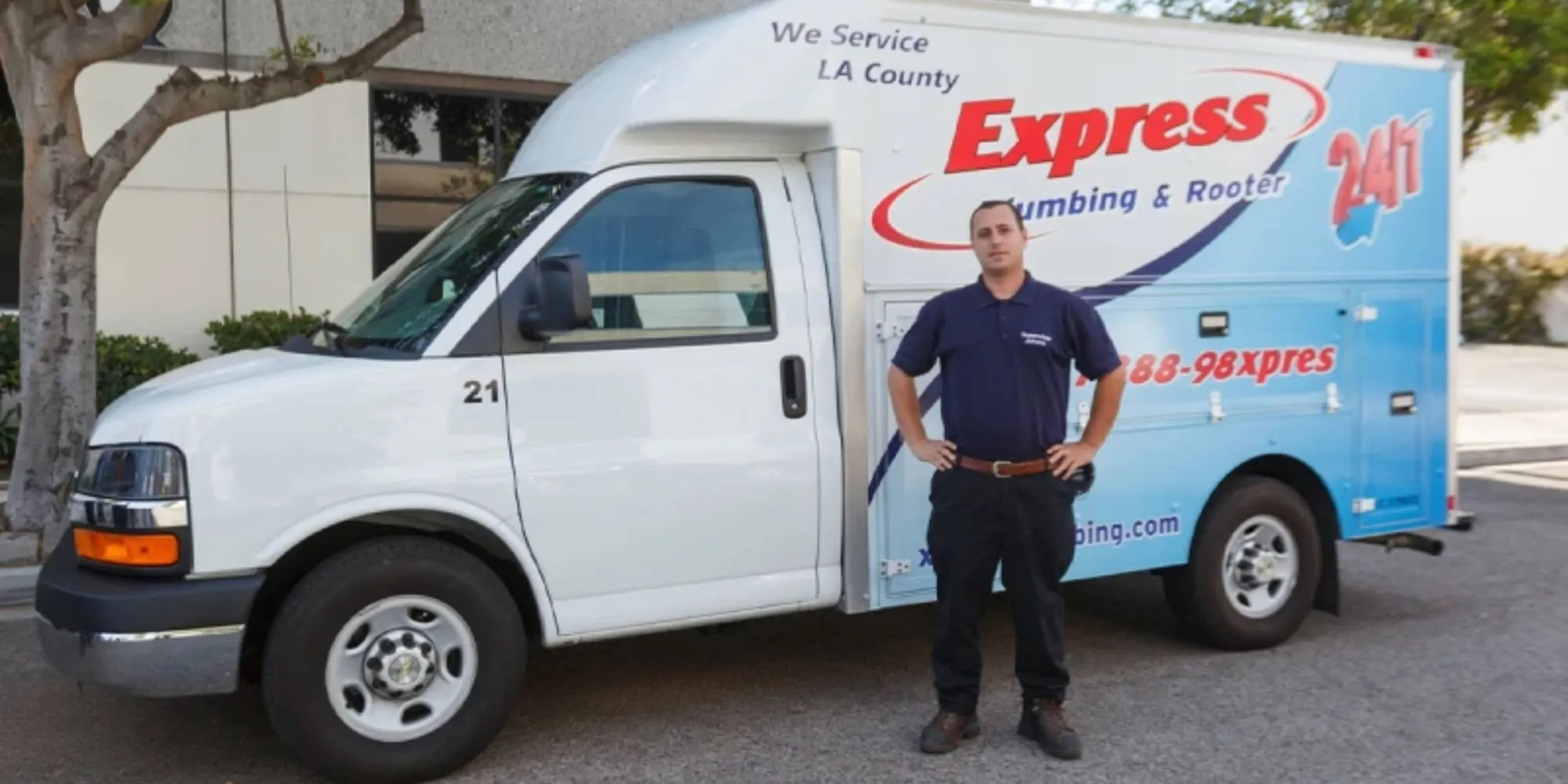
At Express Plumbing and Rooter, we've helped homeowners in Studio City and across Los Angeles catch sewer problems early — and fix them the right way. From trenchless repairs to full-line replacements, we give you honest answers and upfront pricing. Your home deserves nothing less.
Frequently Asked Questions (FAQs)
Q: How do I know if it's my sewer line or just a regular clog?
A: A regular clog affects one drain. If multiple drains are slow or backing up at the same time, it's almost always the main sewer line.
Q: How long does a sewer line last?
A: It depends on the material. PVC pipes can last 100+ years. Clay pipes (common in older homes) last 50–60 years. Cast iron lasts 75–100 years but corrodes over time.
Q: Is sewer line repair covered by homeowner's insurance?
A: Standard policies usually don't cover sewer line damage, but some insurers offer sewer line coverage as an add-on. Call your agent to check.
Q: Can tree roots really break a sewer pipe?
A: Absolutely. Tree roots are one of the most common causes of sewer damage. They can enter through even the tiniest cracks and grow until they completely block or collapse the pipe.
Q: What is a video sewer inspection and do I need one?
A: A plumber runs a waterproof camera through your pipes to see exactly what's happening inside. It's the only way to accurately diagnose the problem without guessing and it's highly recommended before any repair work.






























Sign in to leave a comment.