
What Is Water Damage Remediation?
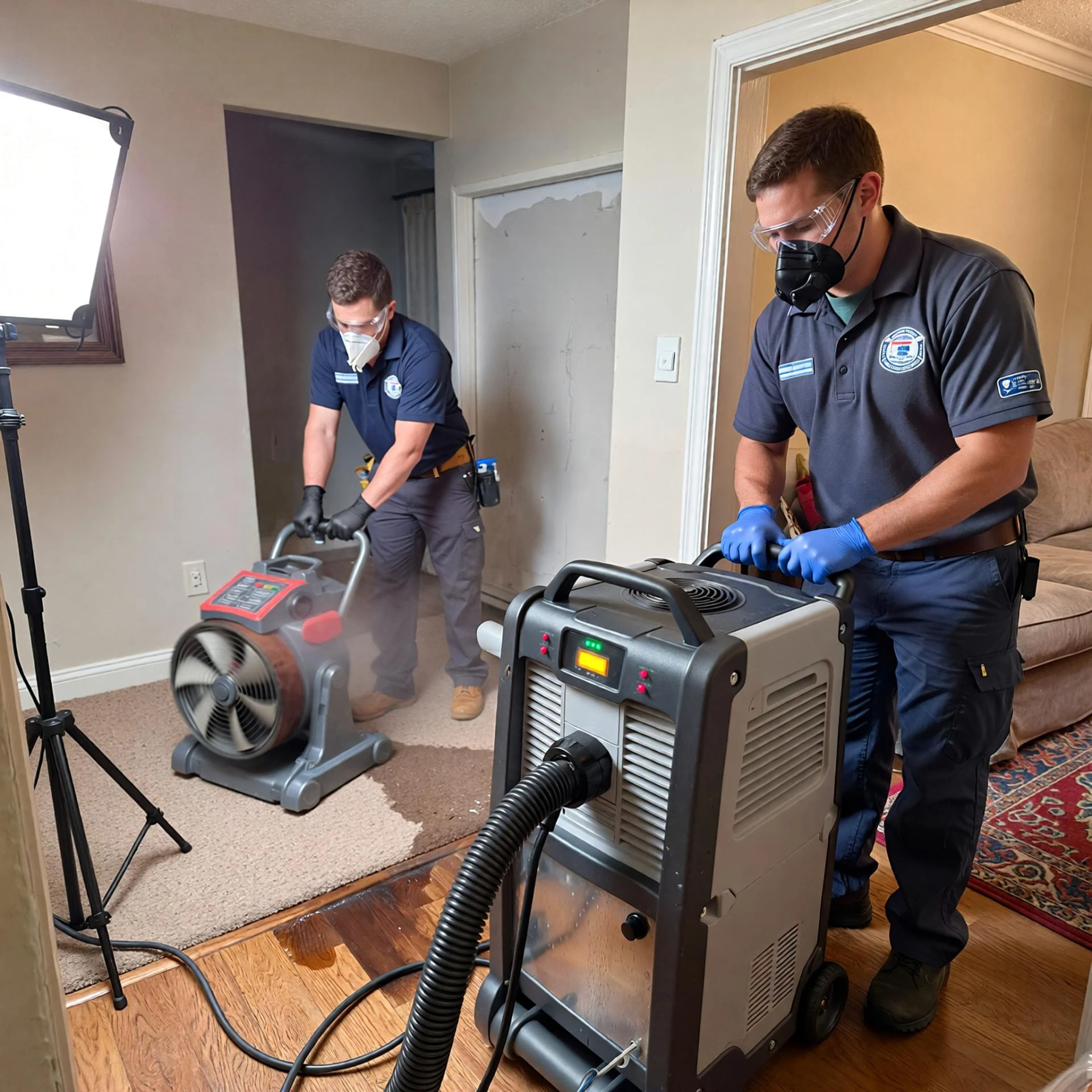
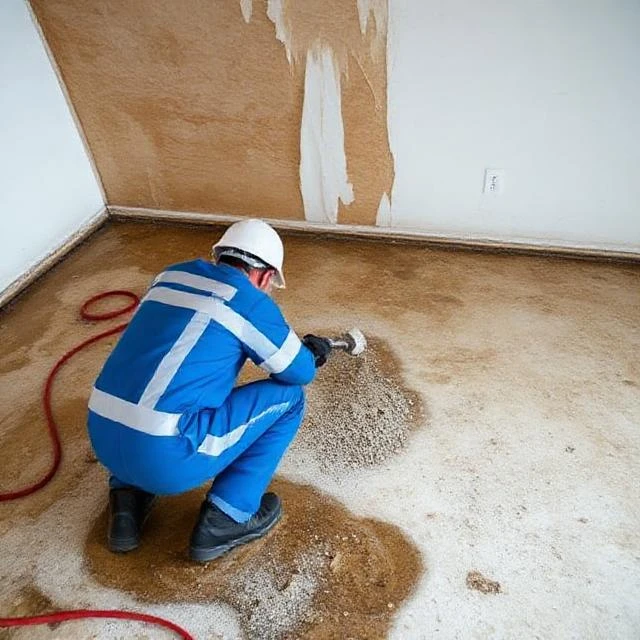
Water damage remediation is the complete process of restoring a property that has been affected by unwanted water. It’s more than just drying a wet surface — it’s a systematic approach designed to ensure that water-related damage does not cause further problems, such as mold growth, structural weakening, or long-term deterioration.
At its core, water damage remediation involves several key steps:
- Assessment and Inspection
- The first step is understanding the extent of the water intrusion. Professionals use tools like moisture meters, thermal cameras, and hygrometers to detect hidden moisture inside walls, floors, ceilings, and insulation. Even small leaks can saturate areas that are invisible to the naked eye, so thorough inspection is essential.
- Water Removal (Extraction)
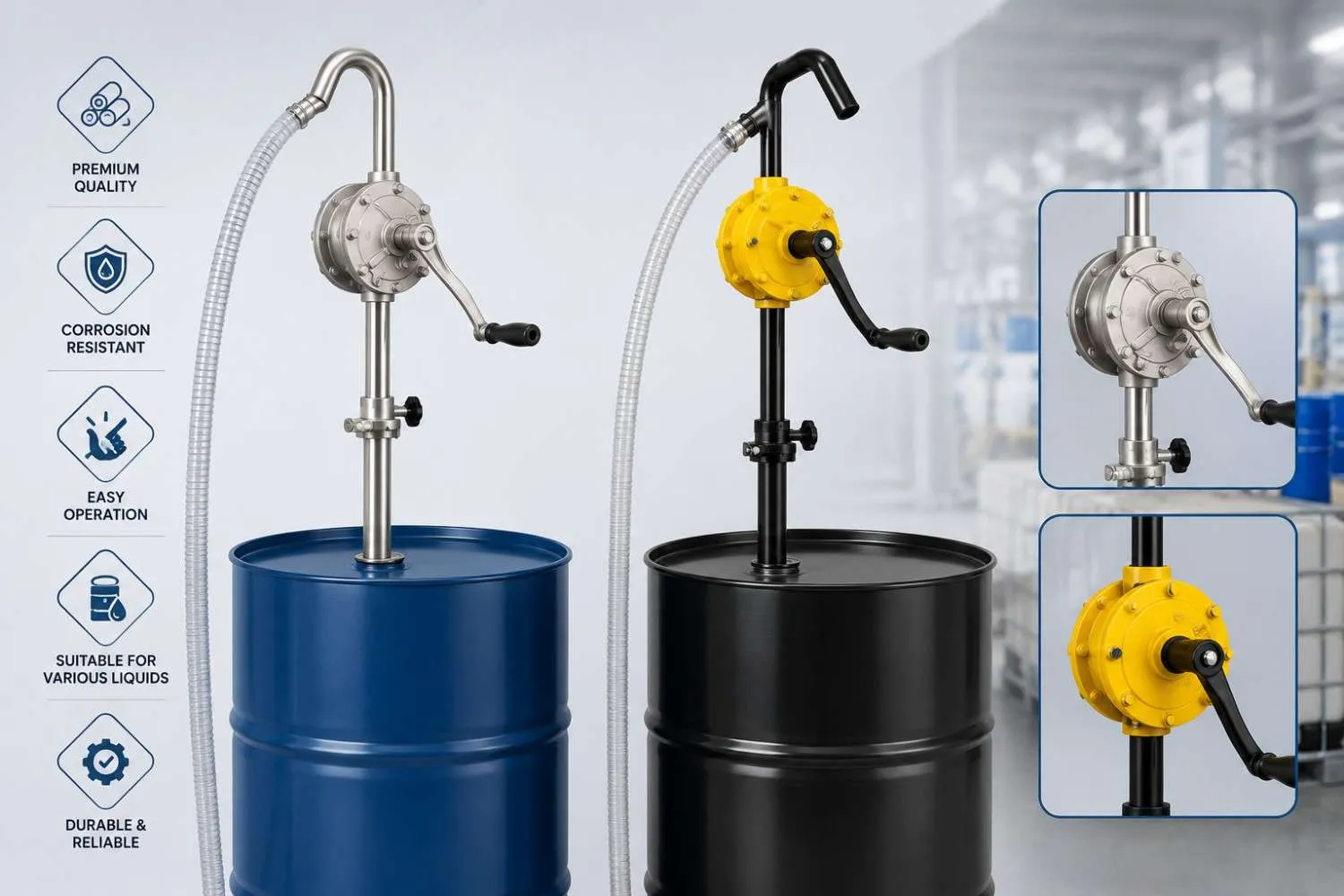
- Any standing water must be removed immediately to prevent further damage. Specialized pumps, wet vacuums, or industrial extractors are typically used. The faster water is extracted, the lower the risk of long-term damage.
- Drying and Dehumidification
- After visible water is removed, drying the property completely is critical. Water often seeps into hidden areas like wall cavities, under flooring, and inside cabinetry. Air movers and dehumidifiers are used to remove this hidden moisture, ensuring that all surfaces, including structural components, are completely dry.
- Cleaning and Sanitizing
- Water can carry bacteria, debris, and other contaminants. Cleaning involves removing any dirt or debris left behind, while sanitizing prevents bacterial growth and ensures the environment is safe and healthy. In cases of contaminated water (like sewage or floodwater), proper disinfection is even more critical.
- Mold Prevention
- Moisture creates ideal conditions for mold growth. Effective water damage remediation addresses mold risk by ensuring that all areas are thoroughly dried and, if necessary, treated with mold-preventive measures. This step is crucial because mold can develop within 24–48 hours if moisture remains.
- Repairs and Restoration
- The final step involves repairing or replacing materials that have been damaged by water. This can include drywall, flooring, insulation, and cabinetry. Structural repairs may also be needed in severe cases. Restoration ensures that the property returns to its original condition—or better.
Why Water Damage Remediation Is Not Just “Drying Water”
Many people assume that removing water with a mop or fan is enough. In reality, water damage can affect hidden areas that are not visible, including behind walls, under floors, and inside insulation. Without proper remediation:
- Mold can grow, posing health risks
- Structural integrity of the home may weaken
- Bad odors can persist
- Repairs may become more costly over time
Water damage remediation is therefore a comprehensive, scientifically informed process that addresses not only the immediate water problem but also the potential secondary effects.
Why Water Damage Remediation Is Needed in Homes
Water damage in homes can occur in many ways, and understanding the causes is critical to knowing why proper remediation is necessary. Even small leaks or unnoticed moisture can escalate into major problems if left untreated. Here are the most common reasons homes require water damage remediation:
1. Leaking or Burst Pipes
Pipes inside walls, under floors, or in basements can leak or burst due to age, corrosion, or sudden pressure changes. Even minor leaks can cause:
- Wall or ceiling stains
- Swelling or warping of wood
- Hidden moisture behind drywall
Left unaddressed, these leaks can compromise structural integrity and create ideal conditions for mold growth.
2. Appliance and Plumbing Failures
Home appliances such as washing machines, dishwashers, water heaters, and sinks can malfunction, overflow, or leak. These events can lead to:
- Flooded floors
- Water seeping under cabinets and tiles
- Damage to wooden flooring and insulation
Prompt remediation prevents long-term damage and hidden moisture accumulation.
3. Roof Leaks
Damaged shingles, missing flashing, or clogged gutters can cause water to penetrate your roof during rainstorms. The result can include:
- Ceiling stains
- Wet insulation
- Dripping water inside walls
- Compromised structural components
Roof-related water damage often spreads slowly and silently, making early detection and remediation essential.
4. High Humidity and Condensation
Even without direct leaks, homes in humid climates can experience water damage over time. Condensation on windows, walls, or pipes can lead to:
- Mold growth
- Warped flooring
- Rotting wood
- Peeling paint
Continuous exposure to high humidity silently damages your property and makes remediation necessary.
5. Appliance or Human Accidents
Small accidents like leaving taps open, overflowing bathtubs, or accidental sprinkler malfunctions can cause water damage. While it may seem minor at first, untreated water can infiltrate hidden areas, creating conditions for mold, odors, and structural issues.
6. Poor Maintenance or Aging Structures
Homes that are not properly maintained—old roofing, cracked foundations, worn plumbing—are more prone to water infiltration. Aging materials are less resistant to moisture, making professional remediation essential when damage occurs.
Key Takeaway
Water damage can result from a variety of common home issues, ranging from leaking pipes to high humidity or minor accidents. Any water intrusion, even if it seems small, can lead to hidden structural damage and mold growth if left untreated.
This is why water damage remediation is necessary in every home as soon as signs of moisture or leaks appear.
Recommended Water Damage Remediation Companies in Houston, TX
If you’re a homeowner in Houston, TX, finding reliable water damage remediation services is essential to protect your property. Here’s a curated list of trusted companies known for their professional and fast response:
Texas Restoration Team:
Known for comprehensive water damage remediation services across Houston. They specialize in fast water extraction, drying, and mold prevention, making them a top choice for homeowners needing expert care.
Water Damage Texans:
Provides 24/7 emergency water damage response with IICRC-certified technicians. They focus on both residential and commercial properties.
Dew-Point Restoration:
Offers professional water damage mitigation and prevention services, with advanced moisture detection tools for complete remediation.
Houston Restoration Group
Roto-Rooter Houston
Conclusion
Water damage is one of the most common yet underestimated issues homeowners face in Houston, TX. Even small leaks, appliance malfunctions, roof drips, or hidden moisture can lead to serious structural problems, mold growth, and health risks if left unaddressed. Understanding what water damage remediation is, why it is necessary, and how to identify early signs can save both time and money in the long run.
Water damage remediation is more than just drying visible water—it is a scientific, step-by-step process that ensures every affected area is properly dried, sanitized, and monitored. From initial inspection and water extraction to dehumidification and mold prevention, each step is crucial for preventing hidden damage and maintaining a safe, healthy home.
For Houston homeowners, being proactive is key. Regular inspections, prompt attention to leaks or spills, and awareness of early signs like musty odors, warped floors, or peeling paint can prevent minor issues from turning into costly problems. Additionally, having access to trusted local remediation companies, such as Texas Restoration Team, ensures professional support is available whenever needed.
Ultimately, water damage remediation is about protection, prevention, and peace of mind. By understanding the causes, recognizing the signs, and taking timely action, homeowners can safeguard their property and avoid long-term damage. Remember, early intervention is always better than repair after the fact.


























Sign in to leave a comment.