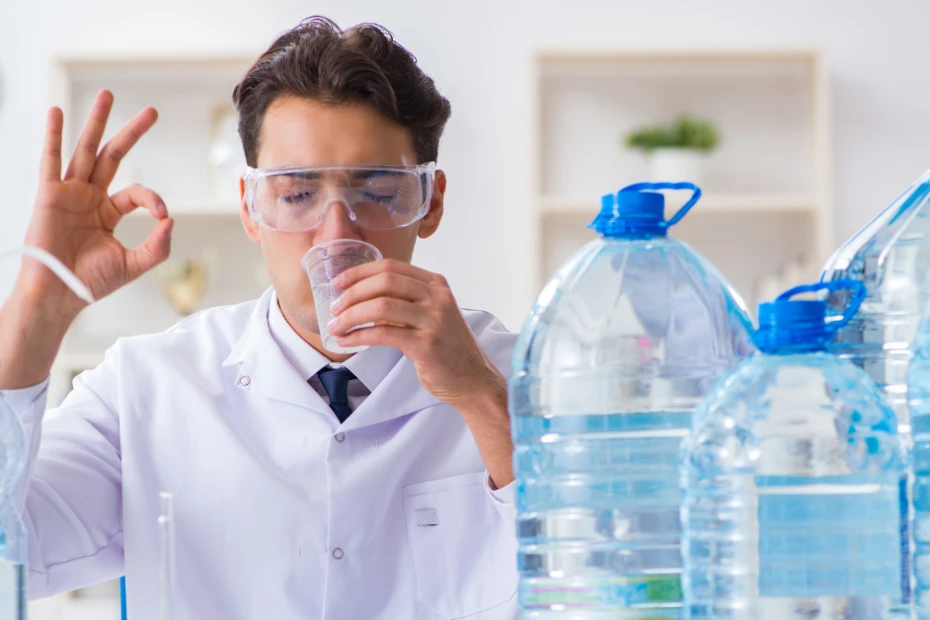

Why Water Quality Matters More Than Ever
Access to clean, safe water is a fundamental necessity, yet many South Africans remain uncertain about the quality of the water flowing from their taps or boreholes. Whether you rely on municipal supply or a private borehole, understanding drinking water potability is essential for protecting your household’s health. Contaminants such as heavy metals, bacteria, and chemical pollutants can be present in water sources without any visible signs, making professional assessment the only reliable way to confirm safety.
In recent years, ageing infrastructure and inconsistent municipal treatment have raised growing concerns across Gauteng, the Western Cape, KwaZulu-Natal, and beyond. The result is an increasing number of homeowners, businesses, and property developers turning to water testing to gain clarity about what is actually in their supply. This proactive approach can prevent long-term health risks and costly damage to plumbing and appliances.
Understanding Water Potability and What It Means for Your Home
Water potability refers to whether water is safe enough for human consumption. In South Africa, potable water must meet the standards set out in SANS 241, which covers parameters such as pH, turbidity, microbial counts, nitrates, and various trace elements. Simply put, if your water does not meet these benchmarks, it may pose risks ranging from gastrointestinal illness to longer-term conditions caused by chronic exposure to certain chemicals.
Determining potability is not something you can do by taste or appearance alone. Clear water can harbour invisible threats, and slightly discoloured water may actually be harmless. The only way to know for certain is through a comprehensive water test for drinking water, conducted by qualified professionals who can interpret results against national standards.
The Role of Professional Water Laboratories
Accredited water laboratories play a critical role in safeguarding public health. These facilities use advanced analytical equipment to detect contaminants at trace levels that simple home kits cannot identify. From spectrometry to microbiological culturing, the methods employed by a reputable water testing laboratory ensure accuracy and reliability in every result.
When selecting water labs for your assessment, it is important to look for SANAS accreditation, which confirms that the facility operates according to internationally recognised quality management systems. An accredited water analysis laboratory will provide detailed reports that break down each parameter tested, alongside a clear indication of whether your water passes or fails each benchmark.
Many people are unsure where to begin when looking for labs that test water in their area. The process is generally straightforward: you collect a sample following the laboratory’s guidelines, submit it, and receive your results within a few business days. Some providers even offer courier collection services, making it easy to have your water assessed regardless of where you are located in the country.
Borehole Water: Why Testing is Non-Negotiable
South Africa has seen a significant increase in borehole installations over the past decade, driven by water restrictions, load shedding affecting municipal pumps, and a desire for greater self-sufficiency. However, borehole water is not automatically safe to drink. Underground sources can be contaminated by agricultural runoff, septic seepage, naturally occurring minerals, and geological factors that introduce harmful elements into the supply.
Borehole water testing should be performed at least once a year, and ideally twice, to monitor any changes in water quality over time. Seasonal variation, nearby construction, and changes in the water table can all affect the composition of your borehole supply. A single borehole water test provides a snapshot, but regular monitoring through periodic borehole water tests gives you confidence that your water remains safe throughout the year.
One of the most common questions homeowners ask is about the borehole water testing price. Costs vary depending on the scope of the analysis. A basic potability test covering essential parameters is typically the most affordable option, while comprehensive panels that include pesticide screening, heavy metal profiling, and extended microbiological analysis will naturally cost more. Despite the variation, investing in proper testing is far less expensive than dealing with the health consequences of contaminated water.
What Does Water Analysis Involve?
Professional water analysis goes far beyond a simple pass-or-fail assessment. It provides a detailed chemical, physical, and microbiological profile of your water. A thorough analysis conducted at a water analysis lab will measure dozens of parameters, including total dissolved solids, electrical conductivity, hardness, alkalinity, chloride levels, iron, manganese, E. coli, and total coliform counts, among many others.
Water analysis services are used not only by homeowners but also by property developers during due diligence, estate agents marketing borehole-equipped properties, schools, hospitality establishments, and agricultural operations. In each case, the goal is the same: to understand exactly what is in the water and whether treatment is necessary before use.
Choosing the right water analytical laboratory ensures that your results are not only accurate but also actionable. A good laboratory will explain your findings in plain language, highlight any areas of concern, and recommend appropriate next steps if treatment is required.
Understanding Water Testing Costs
Budget considerations are perfectly valid when planning for water assessment, and transparency around pricing helps homeowners make informed decisions. The water testing cost depends on several factors: the number of parameters tested, turnaround time, and whether you require standard or expedited processing. Basic screening packages are accessible and provide a solid overview of your water’s safety profile.
For those wanting a more detailed breakdown, the water testing price for comprehensive panels reflects the additional laboratory time, reagents, and specialised equipment required to test for a broader range of contaminants. It is worth noting that many providers offer package deals that bundle multiple tests together at a reduced rate, making thorough analysis more accessible than many people expect.
Reputable water testing laboratories will always be upfront about their pricing structure. If a provider is vague about costs or unable to explain what their testing package includes, it may be worth looking elsewhere. The best water testing labs combine competitive pricing with clear communication and reliable results.
Water Quality Checks: A Routine Worth Adopting
A regular water quality check is one of the simplest and most effective ways to protect your family’s health. Think of it in the same way you would an annual medical check-up: even if you feel fine, screening can catch issues before they become serious problems. This is especially important for households with young children, elderly residents, or anyone with a compromised immune system.
Water quality testing is equally important for businesses, particularly those in the food service, healthcare, and hospitality sectors where water quality directly affects operations and regulatory compliance. Regular testing demonstrates due diligence and helps businesses avoid potential liability issues.
For anyone using borehole water as their primary drinking source, scheduling a drinkable water test at regular intervals is not just advisable but essential. Underground water sources are dynamic, and what tested clean six months ago may not meet the same standards today.
Dealing with Hard Water: Softeners and Conditioners
Hard water is one of the most common issues identified through water testing in South Africa, particularly in regions with limestone and dolomite geology. While not typically a health hazard, hard water causes significant practical problems: scale build-up in geysers and pipes, reduced appliance lifespan, spots on glassware, and dry skin and hair after bathing.
A water softener addresses these issues by reducing the concentration of calcium and magnesium minerals responsible for hardness. Traditional salt-based systems exchange these minerals for sodium ions, while newer salt-free alternatives use template-assisted crystallisation to prevent scale formation without altering the water’s mineral content.
For those who prefer a maintenance-free approach, soft water conditioners offer an excellent alternative. Unlike conventional softeners that require regular salt replenishment and backwashing, a quality water conditioner uses physical treatment methods to neutralise scale-forming minerals. This makes them ideal for residential and light commercial applications where simplicity and low running costs are priorities.
Choosing the Right System for Your Property
Selecting between a softening water system and a water conditioning system depends on your specific water profile, household size, and budget. A softening system is generally recommended where hardness levels are extremely high and the household uses a significant volume of hot water daily. A conditioning system, on the other hand, is well-suited for moderate hardness levels and situations where you want to retain beneficial minerals while still preventing scale damage.
If you are searching for a water softener system that fits your specific requirements, it helps to have your water professionally analysed first. Understanding your exact hardness level, pH, and total dissolved solids allows you to size the system correctly and avoid overspending on capacity you do not need.
Homeowners looking for a water softener system south africa should consider local conditions when making their decision. South African water varies considerably by region, and a system that performs well in Johannesburg may not be the best fit for Cape Town or Durban. Local expertise matters when it comes to specifying the right equipment for your property.
Borehole-Specific Treatment Solutions
Borehole water often presents unique hardness challenges due to its extended contact with underground mineral deposits. A borehole water softener is specifically designed to handle the higher mineral loads typically found in groundwater sources. These systems are engineered to cope with the variable flow rates and elevated hardness levels that are characteristic of borehole installations across South Africa.
Drinking Water Testing: The Final Check Before You Pour
Before relying on any water source for drinking, cooking, or food preparation, drinking water testing provides the definitive answer on safety. This specific type of assessment focuses on the parameters most relevant to human consumption, including microbiological contamination, chemical pollutants, and physical characteristics that affect taste and odour.
Whether your water comes from a municipal supply, a borehole, a rainwater harvesting system, or a combination of sources, having it tested by a qualified professional gives you peace of mind that cannot be replaced by assumptions or visual inspection. The investment in a professional assessment protects not just your health, but also the health of everyone in your household.
Taking the Next Step
Understanding your water quality is no longer optional in South Africa. With infrastructure challenges, climate variability, and increasing reliance on alternative water sources, proactive testing and appropriate treatment have become necessities rather than luxuries. Whether you need a straightforward assessment, detailed laboratory analysis, or guidance on the right treatment system for your property, the resources and expertise are readily available.
Start by arranging a comprehensive assessment through a trusted provider. From there, you will have the data you need to make confident, informed decisions about your water, whether that means enjoying it as is or investing in the right treatment solution to bring it up to standard. Your health, your appliances, and your peace of mind are all worth the effort.























Sign in to leave a comment.