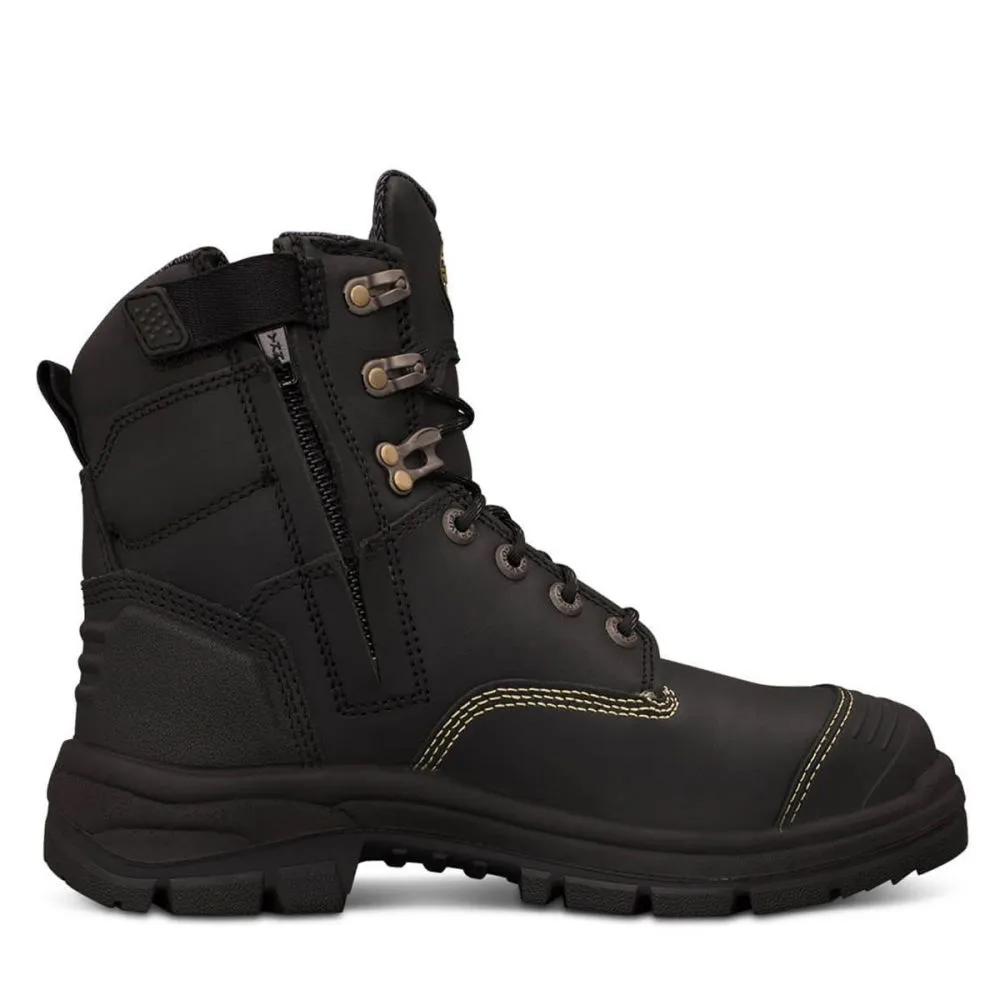
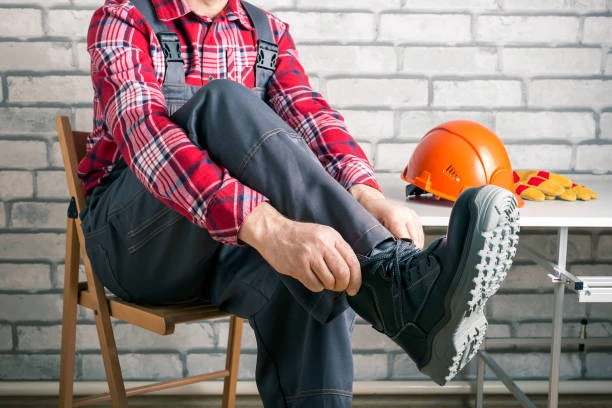
For many workers, footwear is more than a uniform requirement. The right boots can help protect your feet, improve comfort and provide better traction throughout a demanding workday. If you regularly work outdoors, in wet conditions or around liquids, waterproof work boots can be a practical investment.
But do you really need waterproof black work boots? The answer depends on your workplace, weather conditions, safety requirements and the type of work you perform.
From construction sites and warehouses to landscaping, agriculture and outdoor maintenance, waterproof footwear can help keep feet dry while providing essential protection. However, waterproofing is only one feature to consider when choosing work footwear.
What Are Waterproof Black Work Boots?
Waterproof black work boots are protective work boots designed with materials, membranes or construction techniques that help prevent water from entering the footwear. The black colour is commonly preferred in workplaces because it provides a professional appearance and can be easier to maintain.
Unlike ordinary work boots, waterproof designs are intended for workers who may encounter rain, wet surfaces, mud, puddles or other sources of moisture.
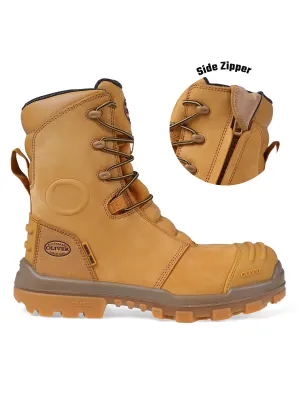
Depending on the design, waterproof boots may include features such as:
- Waterproof membranes
- Sealed or reinforced seams
- Water-resistant leather or synthetic materials
- Slip-resistant outsoles
- Protective toe caps
- Cushioned footbeds
- Breathable linings
- Electrical hazard protection
The exact features vary between models, so workers should choose footwear based on their specific job requirements rather than waterproofing alone.
When Do You Really Need Waterproof Work Boots?
Not every worker needs waterproof footwear. If you spend most of your working day indoors in a dry environment, standard safety footwear may be sufficient.
However, waterproof work boots become particularly useful when your job involves regular exposure to moisture.
1. Outdoor Work
Construction workers, landscapers, gardeners, agricultural workers and outdoor maintenance teams can encounter wet conditions regularly. Rain can quickly soak through ordinary footwear, leaving feet uncomfortable for the remainder of the day.
Waterproof footwear provides an additional barrier against moisture and can make working outdoors in unpredictable weather more comfortable.
2. Wet or Muddy Worksites
Some workplaces naturally involve water, mud or damp ground. Workers may need to walk across wet grass, muddy areas or surfaces exposed to rain.
In these environments, waterproof boots can help prevent moisture from reaching socks and feet.
3. Construction and Building Sites
Construction sites can expose workers to a combination of hazards, including water, mud, uneven surfaces, sharp objects and heavy materials.
For these workers, waterproofing should be considered alongside safety features such as toe protection, grip and sole durability.
4. Cleaning and Maintenance Jobs
Workers involved in cleaning, pressure washing, plumbing, maintenance or similar tasks may regularly encounter water.
In these situations, waterproof footwear can provide practical protection against wet conditions while helping maintain comfort throughout the shift.
Waterproof vs Water-Resistant: What's the Difference?
One of the most important things to understand when shopping for work footwear is the difference between waterproof and water-resistant.
Water-resistant footwear can repel a certain amount of moisture, but it may eventually allow water to penetrate the material when exposed to heavy rain or standing water.
Waterproof footwear is designed to provide a higher level of protection against water penetration. However, no footwear should automatically be assumed to remain completely waterproof under every condition.
For example, water can potentially enter through openings around the tongue, collar or top of the boot. Damage, wear and poor maintenance can also affect waterproof performance.
When purchasing footwear, check the manufacturer's specifications and understand what level of water protection the product is designed to provide.
Why Choose Black Work Boots?
Black remains a popular colour for workplace footwear for several practical reasons.
First, black boots generally have a professional and understated appearance. They can also complement many workplace uniforms.
Black materials may hide everyday marks and dirt better than lighter-coloured footwear, although mud and contaminants will still need to be cleaned regularly.
For workers in industries where appearance matters, black waterproof work boots can combine a practical appearance with protection against wet conditions.
What About Waterproof Safety Shoes?
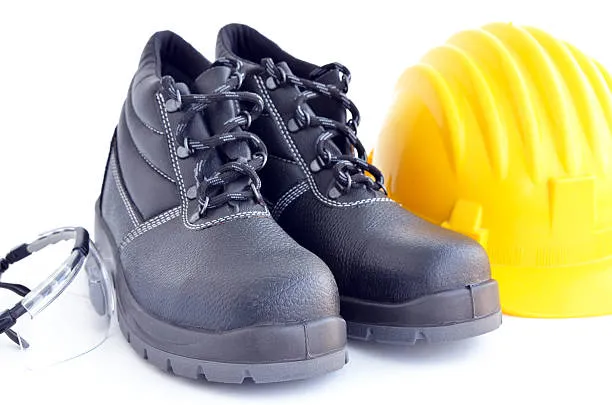
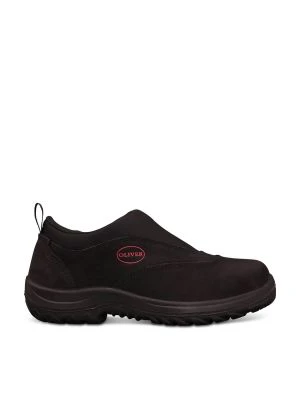
Not every worker wants or needs a traditional boot. Waterproof Safety Shoes can be an alternative for workplaces where ankle-height boots are unnecessary.
Safety shoes may provide a lighter and more flexible option while still incorporating protective features such as safety toe caps and slip-resistant soles.
They can be particularly suitable for workers who spend considerable time indoors but occasionally encounter wet environments.
The choice between safety shoes and boots depends on the workplace and the level of protection required. Workers should consider:
- Water exposure
- Ankle support requirements
- Slip hazards
- Toe protection
- Workplace safety rules
- Walking distance
- Temperature
- Comfort
- Required safety standards
Key Features to Look For
If waterproof footwear is appropriate for your job, don't choose a pair based solely on appearance.
Waterproof Construction
Look for footwear specifically designed and tested for water protection. Check the manufacturer's claims rather than assuming a boot is waterproof because it is made from leather or synthetic material.
Safety Toe Protection
If your workplace involves falling or heavy objects, safety toe protection may be essential. Depending on the application, this could include steel, composite or other protective toe-cap designs.
Slip Resistance
Wet environments often create slippery surfaces. A suitable outsole with good traction can help provide stability when walking across wet floors, concrete, mud or other challenging surfaces.
Comfort and Fit
Even highly protective boots are not useful if they cause discomfort. Look for appropriate sizing, cushioning and support, particularly if you spend eight or more hours wearing them.
Breathability
Waterproof footwear can sometimes feel warmer than conventional footwear. Breathable materials and appropriate moisture management can help improve comfort during long shifts.
Durability
Consider the conditions in which the boots will be used. Heavy-duty construction may be worthwhile for demanding jobs, while lighter footwear may be more appropriate for less intensive work.
Are Waterproof Work Boots Suitable for Every Season?
Waterproof footwear can be useful throughout the year, but seasonal conditions should influence your choice.
During winter and wet weather, keeping feet dry may be a major priority. During warmer months, breathability and ventilation become more important.
Workers in Melbourne and other parts of Australia can experience changing weather conditions, so versatile footwear can be useful for outdoor occupations.
However, waterproofing does not necessarily mean the boots are suitable for extreme cold or hot conditions. Check the product specifications and select footwear appropriate for the environment.
How to Maintain Waterproof Boots
Proper maintenance can help extend the useful life of your footwear.
Clean dirt and mud from the boots regularly, particularly around the sole and seams. Allow wet footwear to dry naturally rather than exposing it to excessive direct heat, which can damage some materials and adhesives.
Follow the manufacturer's cleaning and care instructions. If the footwear has a waterproof membrane or specialised treatment, using unsuitable cleaning products may affect its performance.
Inspect the soles, stitching and upper material regularly. Once significant wear or damage develops, the footwear may no longer provide the intended level of protection.
So, Do You Really Need Waterproof Black Work Boots?
If your work regularly exposes you to rain, water, mud or wet surfaces, waterproof work boots can be a worthwhile choice. They can help keep your feet dry while providing the safety features required for demanding workplaces.
If you work primarily indoors in dry conditions, waterproofing may not be essential. In that situation, comfort, ventilation, safety ratings and other job-specific features may be more important.
The key is to choose footwear based on the hazards you actually encounter.
Whether you need traditional waterproof boots for outdoor work or Waterproof Safety Shoes for a lighter workplace option, consider the complete package: water protection, safety, traction, comfort, durability and fit.
























Sign in to leave a comment.