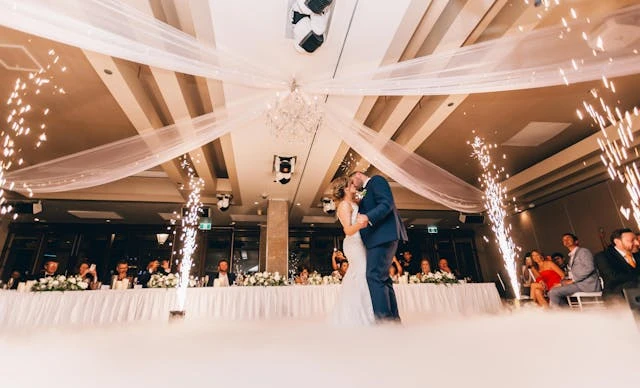

Planning a wedding reception involves countless details that come together to create an unforgettable celebration of love. The design elements you choose will set the tone for your entire event and create lasting memories for both you and your guests. From the overall theme to the smallest decorative touches, every decision contributes to the ambiance and atmosphere of your special day. Understanding how to approach reception design can help reduce stress and ensure your vision comes to life exactly as you've imagined it.
Creating a Cohesive Color Palette and Theme
Your wedding reception's visual appeal starts with selecting the perfect color palette that reflects your personal style while maintaining aesthetic harmony throughout the venue. Consider incorporating seasonal colors that complement your chosen wedding date, such as rich jewel tones for fall or soft pastels for spring celebrations. These colors should flow seamlessly from your ceremony into your reception space, appearing in everything from table linens to floral arrangements and lighting elements.
Developing a theme that aligns with your color choices helps create a unified look across all design elements. Whether you're drawn to a classic romantic style, modern minimalism, or rustic charm, your theme should be evident in every detail without feeling overwhelming. Consider how your theme can be subtly reinforced through your choice of furniture, place settings, and decorative accents, ensuring each element works together to tell your unique love story.
Optimizing Your Floor Plan and Traffic Flow
The layout of your reception space plays a crucial role in creating an enjoyable experience for your guests. Consider the natural movement patterns of people as they navigate between key areas such as the dance floor, bar, buffet stations, and seating arrangements. Leave ample space between tables to prevent congestion and ensure comfortable movement throughout the evening. The placement of your dance floor should be central and visible from most guest tables, encouraging participation and maintaining energy throughout the celebration.
Your seating arrangement should foster conversation and connection among guests while maintaining clear sightlines to important focal points like the sweetheart table or stage area. Think about the logistics of service staff moving efficiently through the space, and ensure emergency exits remain easily accessible. Strategic placement of elements like the cake display, gift table, and photo opportunities can create natural flow patterns that prevent bottlenecks during peak movement times.
Lighting Design for Ambiance and Atmosphere
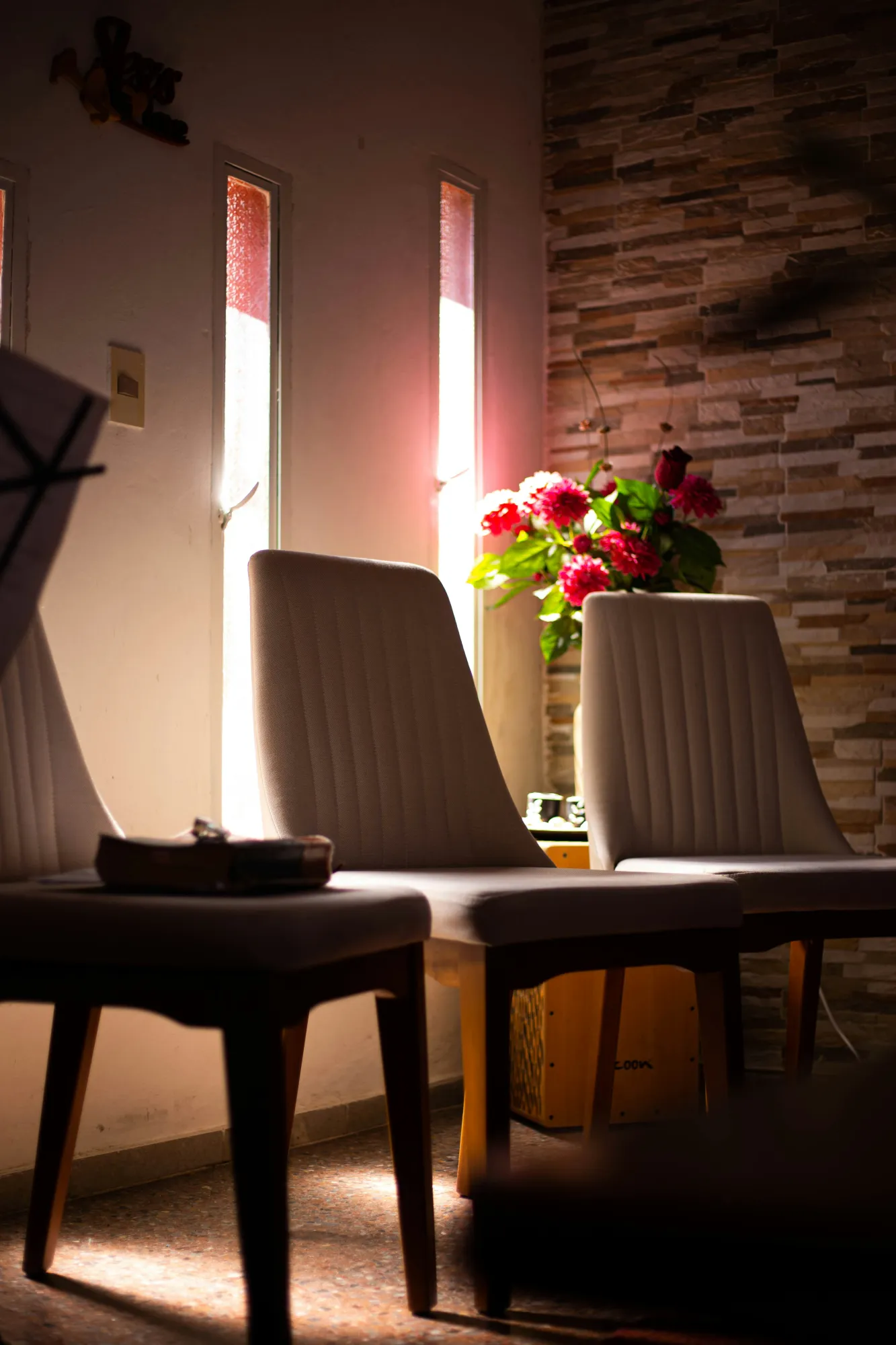
Lighting is perhaps the most transformative element in reception design, capable of dramatically altering the mood and atmosphere of your venue. Begin with ambient lighting that provides general illumination while maintaining a warm, inviting atmosphere. Layer in accent lighting to highlight architectural features, floral arrangements, or other decorative elements that deserve special attention. Consider how lighting needs may change throughout your event, from bright afternoon sunshine to evening twilight and nighttime celebrations.
Creative lighting solutions such as string lights, chandeliers, or LED uplighting can add depth and dimension to your space while reinforcing your chosen theme and color palette. Think about incorporating dimming capabilities to adjust the atmosphere as your reception progresses from dinner to dancing. Well-planned lighting design should also consider practical needs, ensuring proper illumination for photography and videography throughout the event.
Personalizing Your Table Settings and Centerpieces
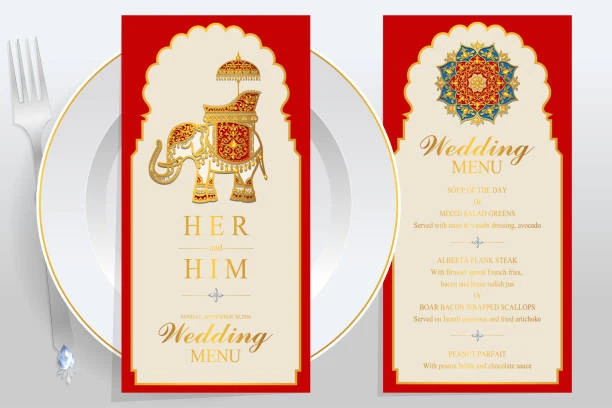
Table designs serve as miniature representations of your overall reception aesthetic, offering opportunities for intimate guest experiences. Each place setting should feel thoughtfully curated, from the selection of charger plates and glassware to the placement of menu cards and favor boxes. Consider incorporating elements that reflect your personality as a couple, such as custom napkin rings or meaningful table numbers that tell stories about your relationship journey.
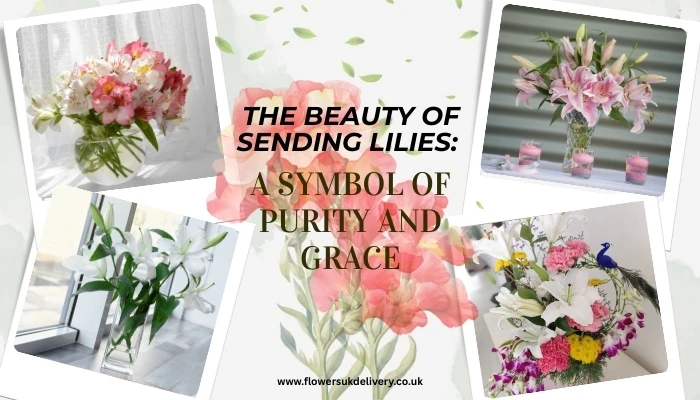
Centerpieces should strike a balance between visual impact and practical functionality, allowing guests to comfortably converse across tables without obstruction. Consider varying heights and dimensions to create visual interest throughout the room, while maintaining consistency in style and color palette. For couples seeking long-lasting décor or planning a destination wedding, faux floral arrangements can offer a stunning and low-maintenance alternative to fresh blooms, with the added benefit of being reusable or repurposed after the event. Remember to account for the seasonal availability of flowers and materials when planning your centerpiece designs, ensuring your vision can be successfully executed on your chosen date.
Conclusion
Successfully designing your wedding reception requires careful attention to detail and thoughtful consideration of how various elements work together to create a cohesive celebration. Remember that the most memorable receptions are those that feel authentic to the couple while providing comfort and enjoyment for their guests. By focusing on these fundamental design aspects while incorporating your personal style, you'll create an environment that celebrates your love story in a truly special way. Take time to visualize how each element contributes to the overall experience, and don't hesitate to seek professional guidance when needed to bring your vision to life.





























Sign in to leave a comment.