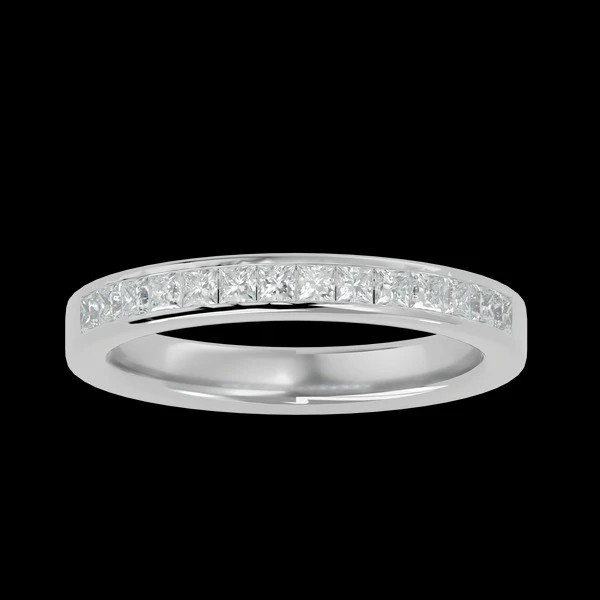
The exchange of wedding rings is one of the most poignant and universally recognized moments in a marriage ceremony. A small, circular band of metal, it is more than just a piece of jewelry; it is a profound symbol of commitment, eternal love, and the unbreakable bond between two people. From ancient civilizations to modern day traditions, the wedding ring has evolved in design and meaning, yet its fundamental purpose remains the same: to serve as a constant reminder of a promise made and a love that endures.
A Circular History: The Origins of the Wedding Ring
The tradition of exchanging rings can be traced back to the ancient Egyptians. For them, the circle was a symbol of eternity, with no beginning and no end. They believed that the ring represented a never-ending cycle of love and life. The earliest rings were often made of woven reeds or other organic materials and were worn on the fourth finger of the left hand. This tradition was based on the belief that a special vein, the vena amoris or "vein of love," ran directly from that finger to the heart.
The Romans later adopted this custom, but they introduced a new element: the iron ring. These rings, known as annulus pronubus, were given to the bride as a symbol of her legal agreement to marry and her husband's ownership. The iron symbolized strength and permanence. It wasn't until later that gold became a more popular material, signifying wealth and a higher social status.
The Evolution of the Wedding Ring's Design
Over the centuries, the design of wedding rings has undergone a remarkable transformation. Early Christian rings were often simple gold bands, sometimes engraved with religious symbols or a couple's initials. During the Renaissance, elaborate designs became popular, featuring intricate carvings, precious gemstones, and even inscriptions inside the band.
The Victorian era saw the rise of the "posy ring," a ring engraved with a short poem or sentimental phrase. This era also introduced the practice of setting diamonds in wedding rings, a tradition that was solidified in the 20th century. The famous advertising slogan "A diamond is forever" cemented the diamond's place as the ultimate symbol of enduring love and commitment.
Today, wedding rings come in an astonishing variety of styles, from simple, classic bands to elaborate designs featuring multiple gemstones and unique metal combinations. While gold and platinum remain popular choices, couples are now exploring alternative materials like tungsten, titanium, and even wood, reflecting their individual personalities and values.
The Symbolism of the Ring
The symbolism of the wedding ring is rich and multifaceted. The circular shape, as the Egyptians first understood, represents eternity and the unending nature of love. The unbroken circle signifies a complete and unbreakable bond. The hole in the center of the ring, a negative space, is also symbolic; it represents a gateway to new possibilities and a future shared together.
The material of the ring itself holds meaning. Gold has long been associated with purity and value, while platinum represents strength and permanence. The inclusion of a diamond, a material known for its hardness and brilliance, signifies the durability and beauty of the relationship.
Modern Interpretations and Personal Touches
While tradition holds a special place in the wedding ring's story, modern couples are increasingly personalizing the custom to reflect their unique journey. Many couples choose to have their rings custom-made, incorporating specific details that hold special meaning to them. Engraving their wedding date, a significant phrase, or their partner's name inside the band adds an intimate touch.
Some couples choose to have a matching set of rings, while others opt for unique styles that complement each other without being identical. The modern wedding ring is a testament to the fact that while the symbolism is universal, the expression of love is a deeply personal experience.
Conclusion
The wedding ring is a small but powerful object. It is a symbol that transcends time, culture, and individual beliefs. From its humble beginnings in ancient Egypt to its modern day iterations, the ring has consistently served as a tangible reminder of an intangible promise. It is a daily declaration of love, a connection to a shared past, and a hope for an eternal future. The simple act of wearing a wedding ring is a testament to the enduring power of love and the beautiful, never-ending circle of two lives joined as one. Visit the official website of skygem.com.au
























Sign in to leave a comment.