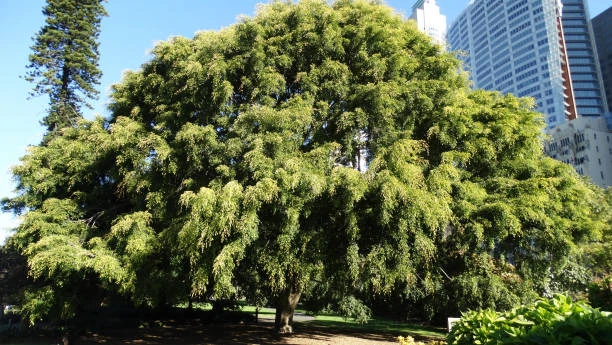

Landscaping is as much about artistry as it is about functionality. The plants and trees you choose can transform a plain yard into a welcoming retreat, a private sanctuary, or a show-stopping garden. Among the many tree varieties available, weeping elm trees stand out for their elegant structure, lush foliage, and versatile design potential. These ornamental trees bring timeless beauty to landscapes while offering practical benefits. Whether you’re designing a modern garden, a traditional estate, or a small suburban yard, the weeping elm can make a lasting impression.
What Are Weeping Elm Trees?
Weeping elm trees are ornamental cultivars of elm species, characterized by their arched, pendulous branches that cascade gracefully towards the ground. Unlike standard upright elms, these trees grow in a dramatic umbrella-like form, often becoming focal points in gardens.
Popular varieties include:
- Camperdown Elm (Ulmus glabra ‘Camperdownii’): A smaller cultivar with a dome-like canopy, perfect for compact spaces.
- Chinese Weeping Elm (Ulmus parvifolia): Known for its smaller leaves and resistance to many common elm diseases.
- Golden Weeping Elm: Recognized for its striking yellow-green foliage, providing color contrast throughout the seasons.
Weeping elms are generally hardy, adaptable, and long-lived, making them a reliable choice for a wide range of landscaping projects.
Benefits of Weeping Elm Trees in Landscaping
1. Aesthetic Appeal
The most obvious benefit of weeping elms is their visual beauty. Their flowing form creates a sense of movement in the landscape, almost like a natural sculpture. They can soften hard lines in architecture, frame entryways, or act as living garden art.
2. Shade and Comfort
Despite their ornamental qualities, weeping elms are also practical. Their wide canopies provide dense shade during hot summer months, creating comfortable outdoor sitting areas. This makes them excellent trees for patios, lawns, or near garden benches.
3. Seasonal Interest
Weeping elms look stunning year-round:
- Spring: Fresh green leaves emerge, often paired with subtle flowers.
- Summer: A lush canopy provides cool shelter.
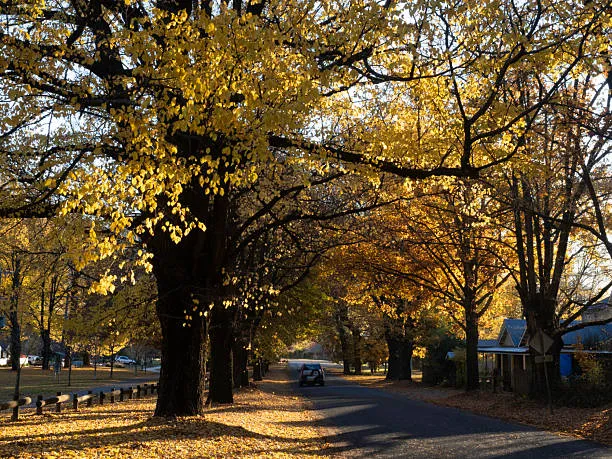
- Autumn: Many varieties turn golden or bronze, adding seasonal warmth.
- Winter: Bare, cascading branches create a striking silhouette against the sky.
4. Wildlife Support
These trees attract birds, providing nesting spots in their dense canopy. They may also support beneficial insects, contributing to a healthier garden ecosystem.
5. Low Maintenance
Many weeping elm varieties are resistant to pests and diseases; especially modern cultivars bred for resilience. Once established, they require minimal care, apart from occasional pruning to maintain shape and health.
Design Ideas for Using Weeping Elms
1. Focal Point in the Garden
Due to their unique appearance, weeping elms make excellent centerpiece trees. Plant one in the middle of a front yard, a lawn, or a large flower bed to draw attention and create a sense of drama. Their form naturally makes them stand out, requiring little additional decoration.
2. Garden Entrances and Pathways
Placing a weeping elm near a gate, driveway, or garden path can create a welcoming and enchanting entrance. Their draping branches often form a soft canopy that feels inviting and serene.
3. Shade for Seating Areas
Position a weeping elm beside a patio, deck, or garden bench. The shade and intimacy created by its low branches make the space cozy, ideal for reading or relaxation.
4. Water Feature Accents
Weeping elms pair beautifully with ponds, fountains, or streams. Their arching branches reflect in the water, amplifying their graceful form. This combination can evoke a tranquil, almost storybook-like atmosphere.
5. Seasonal Color Contrast
Consider pairing golden or variegated weeping elm varieties with deep green conifers or flowering shrubs. This layering adds depth, texture, and year-round color to your garden.
6. Cottage Garden Charm
In cottage-style landscapes, a weeping elm can provide the whimsical, romantic look that ties everything together. Surround the base with flowering perennials such as lavender, roses, or delphiniums for a picturesque setting.
7. Small-Space Solutions
Compact weeping elm cultivars, such as the Camperdown Elm, are perfect for smaller gardens. Their rounded canopy can create a statement without overwhelming limited space.
Planting and Care Tips
If you’re considering adding a weeping elm to your landscape, here are some practical tips:
- Site Selection: Choose a sunny to partially shaded location with well-drained soil. These trees can adapt to various soil types but prefer fertile, loamy ground.
- Spacing: Provide enough room for the canopy to spread. Most weeping elms reach 3–12 meters in height and width, depending on the variety.
- Watering: Young trees need regular watering until established. Mature trees are generally drought-tolerant but benefit from deep watering during prolonged dry spells.
- Pruning: Trim dead or crossing branches in late winter or early spring to maintain structure. Avoid heavy pruning, as it can disrupt the natural weeping form.
- Mulching: Apply mulch around the base to retain moisture, suppress weeds, and protect roots.
Potential Challenges
While weeping elms are relatively hardy, there are a few considerations:
- Dutch Elm Disease (DED): Some elm varieties are susceptible, though many modern cultivars show resistance. Always source disease-resistant trees from reputable nurseries.
- Size Management: Larger varieties may outgrow small yards, so it’s important to select the right cultivar for your space.
- Pruning Needs: Their cascading growth can occasionally obstruct pathways or windows if not maintained.
Why Choose Weeping Elms for Your Landscape?
Incorporating a weeping elm into your landscaping is more than just adding a tree—it’s about creating atmosphere. These trees offer a timeless elegance that blends seamlessly with both contemporary and traditional designs. Their shade, beauty, and seasonal interest make them a versatile choice for homeowners, property developers, and garden enthusiasts alike.
Whether you want to create a dramatic focal point, add shade to a sitting area, or introduce year-round visual interest, the weeping elm delivers on all fronts. With the right variety and thoughtful placement, this tree can elevate your outdoor space for decades to come.
Final Thoughts
Weeping elm trees combine practicality with artistry, offering lush greenery, graceful form, and unmatched charm. From providing shade and supporting wildlife to transforming ordinary spaces into captivating landscapes, they are a true asset to any garden.
When designing your landscape, think of the weeping elm not just as a tree but as a living centerpiece that tells a story across the seasons. Whether planted alone or as part of a larger garden scheme, it will leave a lasting impression.





























Sign in to leave a comment.