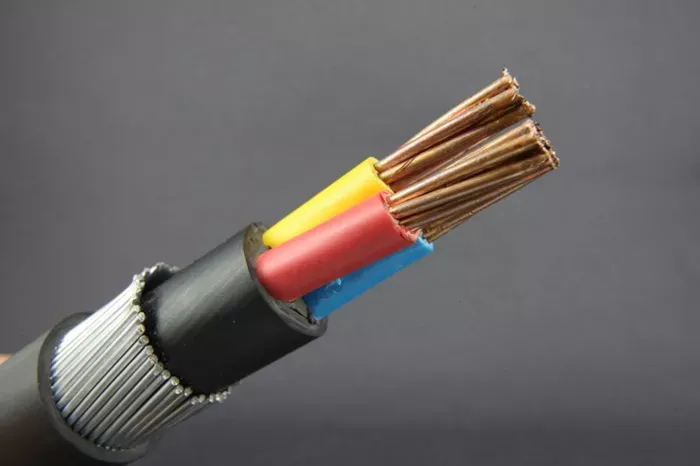

Armoured electrical cables are widely used in modern electrical power transmission systems because they provide both efficient electrical conductivity and strong mechanical protection. Compared with standard non-armoured cables, they are specifically designed for harsh environments such as underground installations, industrial facilities, construction sites, and outdoor power distribution networks.
As global infrastructure continues to expand, the demand for safer and more durable electrical systems has increased significantly. According to international standards such as IEC 60502 and BS 5467, armoured cables are essential components for medium and low-voltage power distribution where mechanical stress or environmental exposure is expected.
What Is an Armoured Electrical Cable?
An armoured electrical cable is a type of power cable that includes a protective metallic layer (called armour) between the insulation and the outer sheath. This armour layer is typically made of steel wire, steel tape, or aluminium and is designed to protect the internal conductors from mechanical damage and external environmental stress.
In simple terms, an armoured cable is a reinforced electrical cable that can safely transmit power in conditions where normal cables would be easily damaged or fail.
Structure of Armoured Electrical Cables

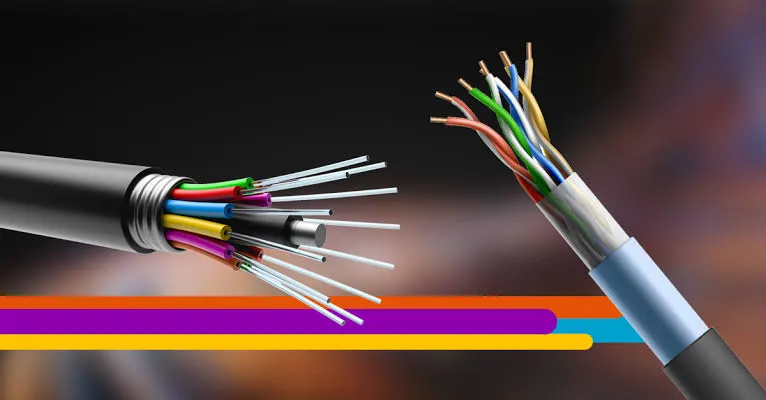
Armoured electrical cables are built using multiple layers, each serving a specific electrical or mechanical function. This layered structure ensures both safe power transmission and long-term durability.
Conductor: Usually made of copper or aluminium, responsible for carrying electrical current.
Insulation Layer: Made of materials such as XLPE or PVC to prevent electrical leakage.
Bedding Layer: Provides cushioning and separation between insulation and armour.
Armour Layer: Steel wire (SWA), steel tape (STA), or aluminium layer that provides mechanical protection.
Outer Sheath: Protective jacket that resists moisture, UV, chemicals, and environmental damage.
This multi-layer structure ensures that the cable remains safe and functional even under heavy mechanical stress or harsh environmental conditions.
Types of Armoured Electrical Cables

Steel Wire Armoured (SWA) Cable
SWA cables use galvanized steel wires as the armour layer. They provide excellent mechanical strength and are commonly used in underground power distribution and industrial applications where high durability is required.
Steel Tape Armoured (STA) Cable
STA cables use steel tape wrapped around the cable core. They are typically used in low-voltage systems where moderate protection is sufficient and cost efficiency is important.
Aluminium Armoured Cable
Aluminium armoured cables are lighter than steel versions and are commonly used in long-distance power transmission and infrastructure projects where weight reduction is a priority.
Flexible Armoured Cable
Flexible armoured cables are designed for applications involving movement, vibration, or frequent bending, such as machinery, robotics, and temporary construction power systems.
What Are Armoured Electrical Cables Used For?
Armoured electrical cables are used in environments where standard cables cannot provide sufficient protection or reliability. Their durability makes them essential in critical infrastructure systems.
They are widely used in underground electrical power distribution systems, where cables are directly buried without additional conduit protection. They are also commonly used in industrial plants where heavy machinery, vibration, and high temperatures are present.
In renewable energy systems such as solar farms and wind power installations, armoured cables ensure stable and safe power transmission under outdoor environmental conditions. They are also used in transportation systems such as railways, tunnels, and airports.
Advantages of Armoured Electrical Cables Compared to Non-Armoured Cables

1. Higher Mechanical Protection
Armoured cables provide significantly better resistance to crushing, impact, and external damage compared to non-armoured cables. This makes them ideal for underground and industrial environments. The steel or aluminium armour layer acts as a physical barrier, protecting the inner conductors from accidental digging, heavy load pressure, and construction-related impacts.
2. Suitable for Direct Burial
Unlike non-armoured cables that require protective conduits, armoured cables can be directly buried in the ground, reducing installation complexity and cost. This eliminates the need for additional ducting systems, making them more efficient for large-scale underground power distribution projects.
3. Improved Electrical Safety
The metallic armour layer can act as a grounding path in fault conditions, helping to safely dissipate electrical faults and reduce fire or shock hazards. This added safety feature improves system protection and helps circuit breakers respond more effectively during fault events.
4. Longer Service Life
Due to their protective structure, armoured cables have higher resistance to moisture, corrosion, UV exposure, and temperature fluctuations, resulting in longer operational lifespan. This durability reduces the frequency of replacements and maintenance, making them more cost-effective over time.
5. Better Performance in Harsh Environments
Armoured cables perform reliably in demanding environments such as construction sites, industrial zones, mining areas, and outdoor installations. They maintain stable performance even under continuous mechanical stress, vibration, and exposure to challenging environmental conditions.
Armoured vs Non-Armoured Electrical Cables (Comparison)
| Feature | Armoured Cable | Non-Armoured Cable |
|---|---|---|
| Mechanical Protection | High (metal armour layer) | Low |
| Installation Method | Direct burial possible | Requires conduit or duct |
| Cost | Higher initial cost | Lower cost |
| Safety Performance | High (fault grounding path) | Moderate |
| Durability | High in harsh environments | Depends on protection |
| Flexibility | Lower | Higher |
| Best Application | Industrial, underground, outdoor | Indoor protected environments |
How to Correctly Install Armoured Electrical Cables
1. Route Planning Before Installation
Before installation, the cable route should be carefully designed to avoid sharp bends, unstable soil conditions, and areas with heavy mechanical load.
2. Underground Installation Method
For direct burial, a sand bedding layer is usually placed at the bottom of the trench to protect the cable from sharp objects. After laying the cable, it should be covered with sand before backfilling.
3. Bending Radius Control
Armoured cables must not be bent beyond their minimum bending radius. Excessive bending can damage internal conductors or insulation layers.
4. Proper Grounding of Armour
The metallic armour layer must be properly grounded to ensure safe dissipation of fault current. Incorrect grounding can reduce safety performance.
5. Protection During Installation
Care should be taken to avoid dragging or twisting the cable during installation, as this may damage the outer sheath or armour layer.
International Standards for Armoured Electrical Cables
Armoured electrical cables are manufactured according to strict international standards to ensure safety and performance reliability.
IEC 60502 defines requirements for power cables with extruded insulation for rated voltages from 1kV to 30kV. BS 5467 is widely used for PVC-insulated armoured cables in construction and industrial applications. IEC 60228 defines conductor classifications and electrical resistance requirements.
These standards ensure that armoured cables perform reliably under electrical load, thermal stress, and mechanical pressure.
Conclusion
Armoured electrical cables are a critical component of modern power transmission systems because they combine electrical efficiency with strong mechanical protection. They are designed to ensure safe and reliable electricity distribution in environments where standard cables would fail.
Although they are more expensive and less flexible than non-armoured cables, their long-term advantages in safety, durability, and reduced maintenance make them the preferred choice for industrial, underground, and outdoor applications.
FAQs
1. Can armoured cables be buried directly?
Yes, they are designed for direct burial without additional conduit protection.
2. Do armoured cables need grounding?
Yes, proper grounding is required for safety and fault current protection.
3. What is the difference between SWA and STA cables?
SWA uses steel wire for stronger protection, while STA uses steel tape for lighter applications.
4. Are armoured cables waterproof?
They are moisture-resistant but not fully waterproof; protection depends on installation and sheath quality.
5. Are armoured cables expensive?
Yes, but they provide better long-term value due to durability and reduced maintenance.

























Sign in to leave a comment.