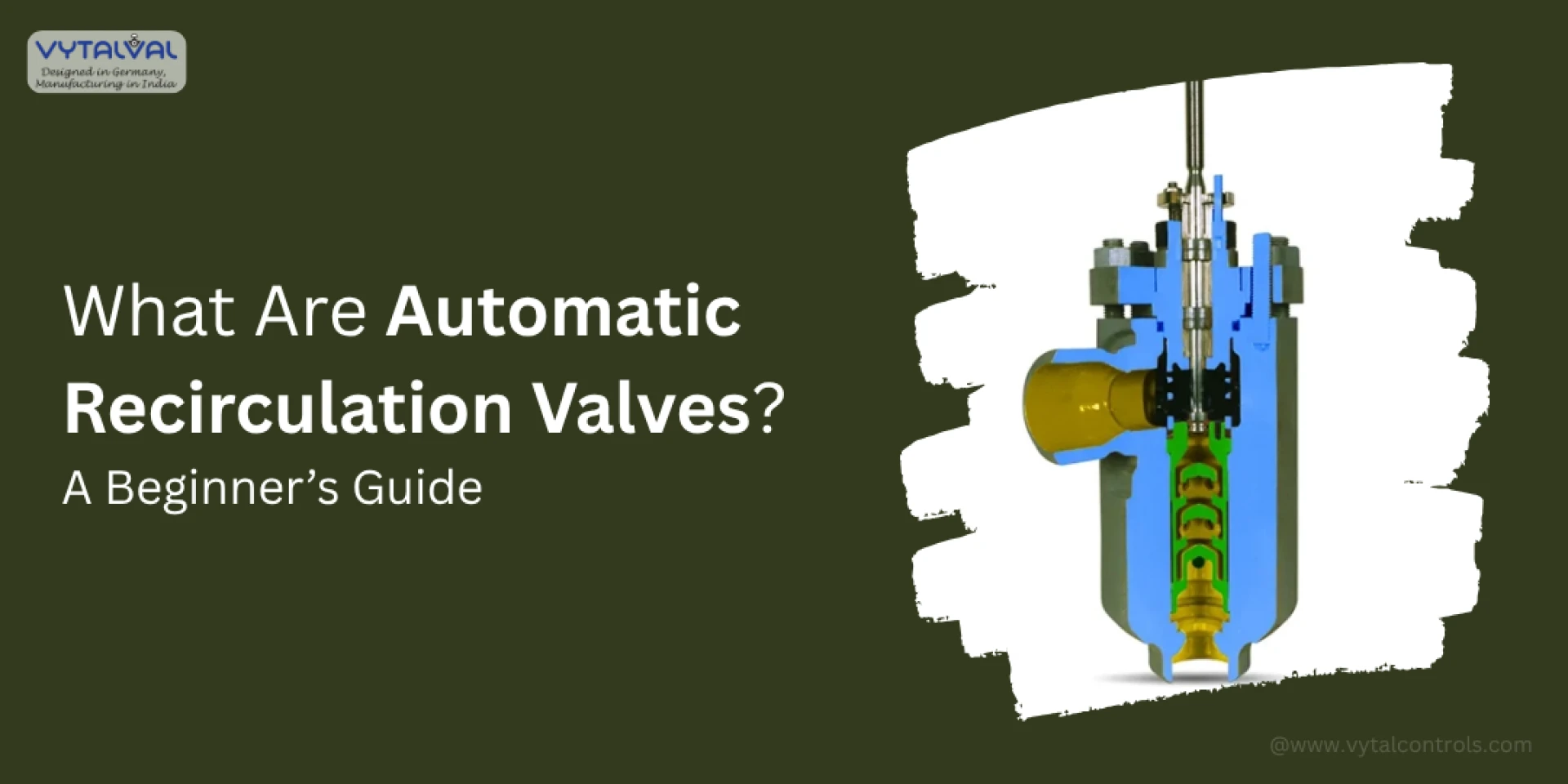

In many industrial systems, pumps are used to move liquids under pressure for various processes. These pumps are reliable when working under the right conditions. However, when the flow of liquid becomes too low or stops completely, it can cause serious damage to the pump. This is where Automatic Recirculation Valves (ARVs) play a very important role.
In this article, we’ll explain what ARVs are, how they work, and why they are essential for protecting pumps in industrial systems. If you're new to this topic, don’t worry — this guide is made simple and easy to understand.
What is an Automatic Recirculation Valve?
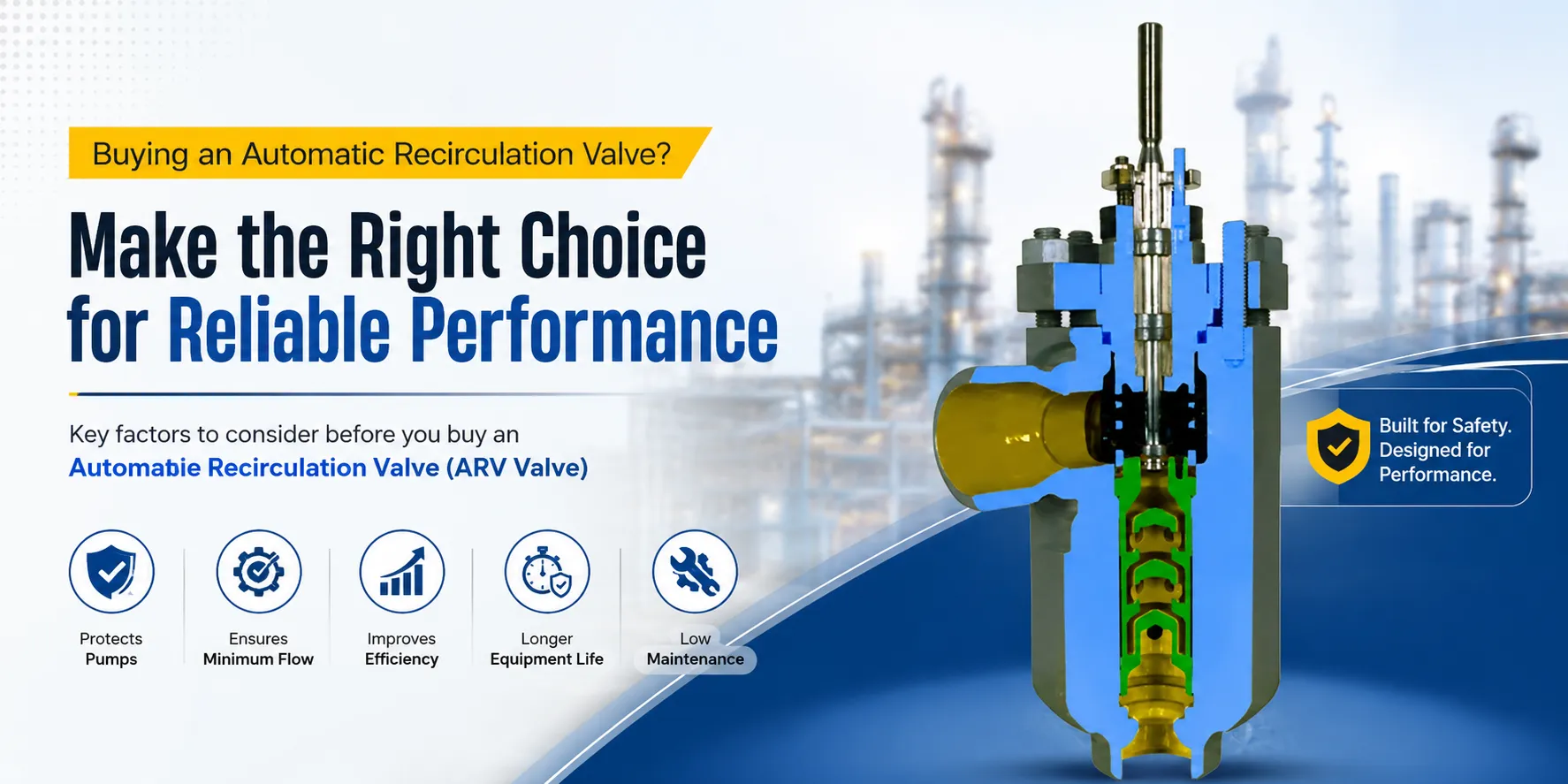
An Automatic Recirculation Valve (ARV) is a specially designed valve that automatically ensures a minimum required flow of liquid is always passing through a centrifugal pump — even when the main process line is closed or partially shut.
Centrifugal pumps, which are commonly used in industries, are not designed to run without flow. If they operate with too little or no liquid, they can overheat, vibrate, or suffer internal damage. An ARV prevents this by diverting the flow of liquid back to the pump or a tank whenever needed.
Why is Continuous Flow Important for Pumps?
To understand why ARVs are necessary, it's important to know how pumps behave:
- Centrifugal pumps must have a certain minimum flow at all times to stay cool and lubricated.
- When flow drops below this level, heat builds up, and the pump components may become damaged.
- Operating in such conditions can lead to mechanical failures, seal damage, or even complete pump failure.
The solution? An Automatic Recirculation Valve constantly monitors the flow and automatically redirects liquid through a bypass line when needed, keeping the pump safe without manual effort.
Where Are ARVs Used?
Automatic Recirculation Valves are used in many different industries where liquid handling and flow control are important:
- Power Plants – to protect boiler feedwater pumps
- Oil & Gas Refineries – to maintain safe pump operations
- Chemical Plants – to handle corrosive or high-temperature fluids
- Water Treatment Facilities – to regulate flow during cleaning or filtering
- Pharmaceutical & Food Industries – where cleanliness and reliability are critical
- Paper & Pulp Industries – to maintain stable flow in production lines
In all these industries, pumps are critical. ARVs help to extend their life and reduce downtime.
How Does an Automatic Recirculation Valve Work?
The ARV is a self-operating mechanical valve. It works in the following way:
- Normal Flow Condition
- When the process is running normally and the main outlet is open, the ARV allows liquid to flow directly through the main line. The bypass line remains closed.
- Low Flow Condition
- When the system reduces the demand or closes the main outlet, the valve automatically opens the bypass outlet and redirects liquid back to a storage tank or return line. This maintains the necessary flow through the pump.
- No Electricity Needed
- One of the best features of an ARV is that it operates without any electrical power or control system. It reacts to pressure and flow changes and adjusts automatically.
Benefits of Using Automatic Recirculation Valves
Using ARVs brings several advantages to industries:
- Pump Protection – prevents overheating, dry running, or cavitation
- Longer Equipment Life – reduces wear and tear on pumps
- Low Maintenance – simple design, fewer parts to fail
- Energy Efficiency – minimizes unnecessary pump operation
- Space Saving – compact, multi-functional unit replaces several individual components
- Improved Safety – reduces the risk of sudden pump failure
Types of ARVs
There are different types of ARVs based on size, pressure range, and application:
- Standard ARVs – for low-to-medium pressure systems
- High-Pressure ARVs – for heavy-duty industrial operations
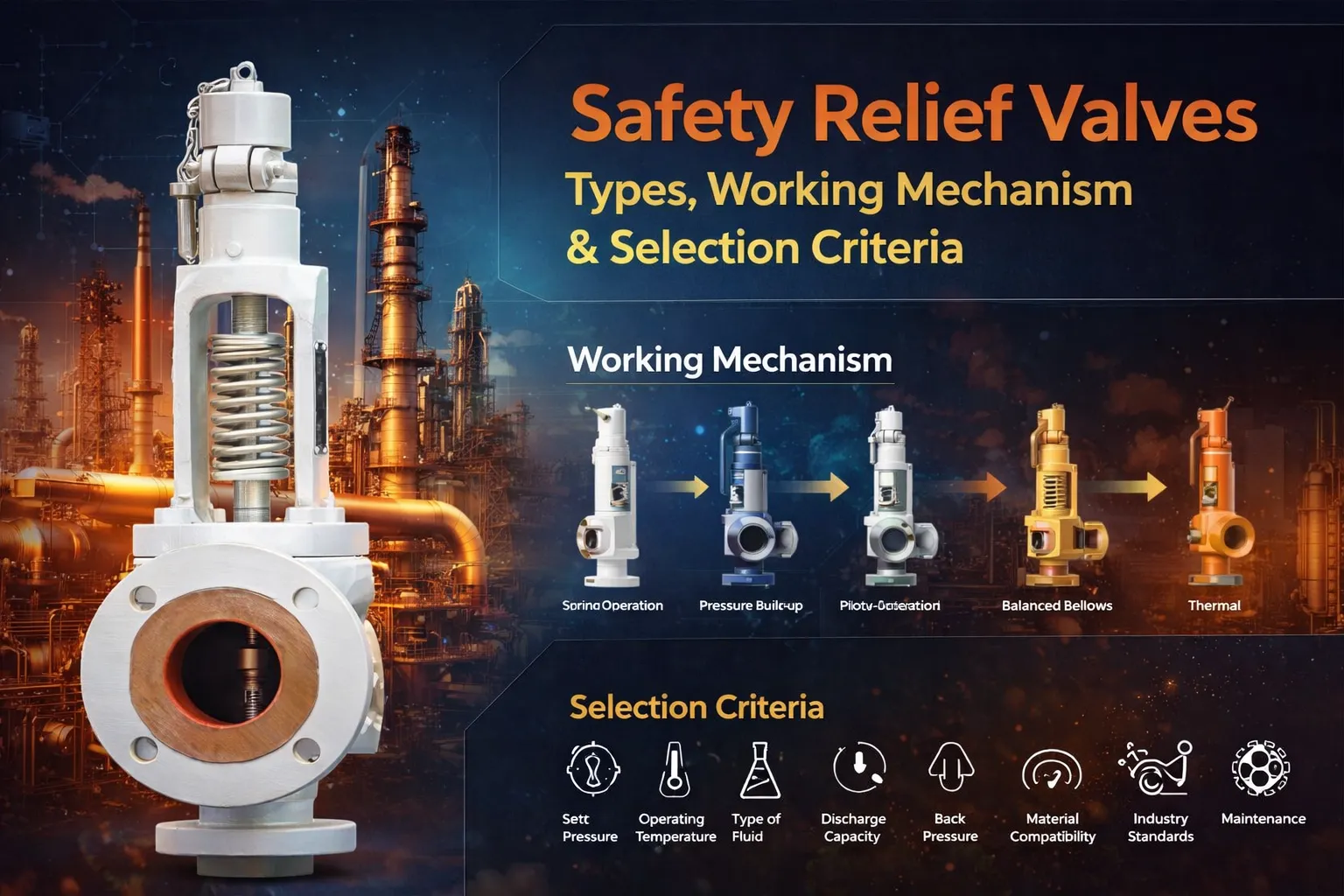
- Custom ARVs – designed for specific fluids like hot water, steam, or corrosive chemicals
Each valve is selected based on the fluid type, pressure, flow rate, and temperature.
Conclusion
In any pump-driven system, protecting the pump from damage due to low flow is critical. An Automatic Recirculation Valve acts like a safety guard for your pump, ensuring it always receives the minimum required liquid flow—even when conditions change unexpectedly. It automatically opens or closes a bypass path to maintain proper operation without human intervention or electronic controls.
If you're planning a new system or looking to upgrade pump safety in your existing operations, working with experienced Industrial Valves Manufacturers in India can help you choose the right ARV for your application.
























Sign in to leave a comment.