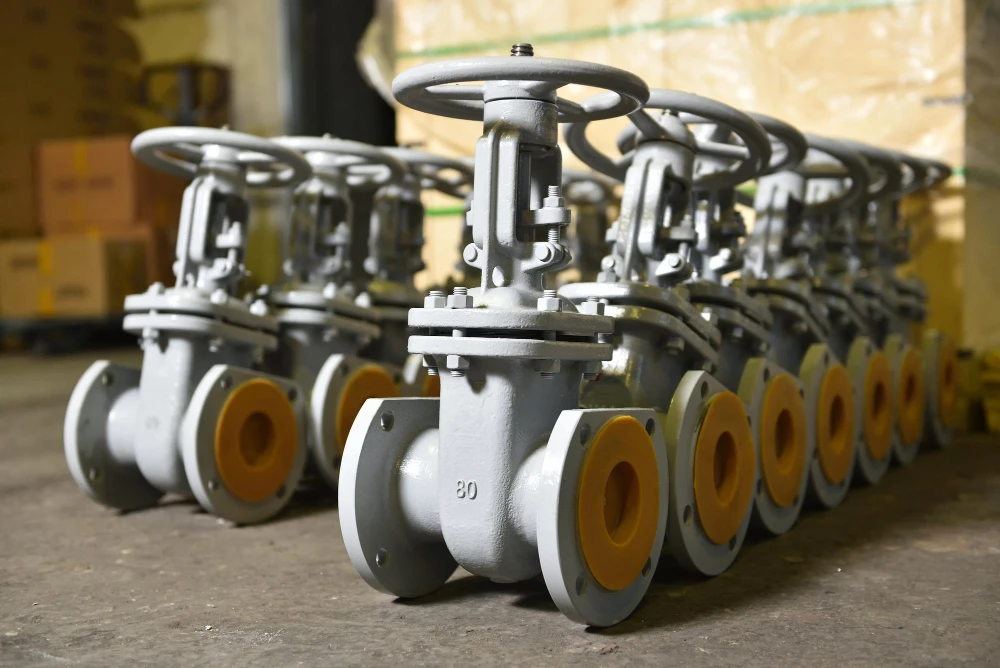

Control valves are essential devices used in almost every industry where fluids (liquids, gases, or steam) need to be controlled. They regulate flow, pressure, and temperature to ensure that industrial processes run smoothly and safely. From power plants to oil & gas, water treatment, chemical plants, and food processing, control valves work silently but play a huge role in maintaining system efficiency.
However, just like any other mechanical equipment, control valves can face operational problems. If not identified and solved in time, these issues may lead to energy losses, unplanned shutdowns, product quality issues, or even major safety risks.
In this article, we will discuss the most common problems in control valves, their causes, and practical solutions that industries can adopt to avoid downtime and increase valve life.
1. Leakage in Control Valves
The Problem
Leakage is one of the most common issues. It happens when the valve cannot fully shut off, allowing unwanted flow even when the valve is in the “closed” position. Leakage may occur internally (through the valve seat) or externally (around the body or stem).
Causes
- Worn-out or damaged valve seats
- Poor sealing materials
- Incorrect installation
- High pressure or temperature conditions
Solutions
- Replace worn-out valve seats and seals regularly
- Use sealing materials compatible with the process fluid
- Ensure proper alignment during installation
- Opt for valves with higher shutoff class ratings for critical applications
2. Cavitation
The Problem
Cavitation happens when liquid inside the valve experiences a sudden drop in pressure below its vapor pressure, creating vapor bubbles. When these bubbles collapse, they produce shockwaves that damage valve surfaces. This not only causes pitting and erosion but also creates loud noise and vibration.
Causes
- High-pressure drop across the valve
- Incorrect valve design or trim
- Poor system flow conditions
Solutions
- Use anti-cavitation trim or multi-stage pressure reduction designs
- Control the pressure drop within safe limits
- Select valve materials resistant to cavitation damage (e.g., hardened alloys)
3. Excessive Noise and Vibration
The Problem
Control valves sometimes generate too much noise or vibration, which affects not only the valve but also the connected pipelines. Over time, this can cause fatigue and cracks in the system.
Causes
- High fluid velocity
- Cavitation or flashing in liquids
- Poor valve sizing (oversized or undersized)
Solutions
- Size the valve correctly based on flow conditions
- Use noise-attenuating valve trims
- Install silencers or diffusers if required
- Reduce sudden pressure drops through proper system design
4. Sticking or Sluggish Operation
The Problem
Sometimes, the valve does not move freely or reacts very slowly to control signals. This makes process control unstable and inefficient.
Causes
- Dirt, dust, or foreign particles inside the valve
- Rust or corrosion on moving parts
- Malfunction in actuators or positioners
- Poor lubrication
Solutions
- Clean the valve internals regularly
- Apply proper lubrication to moving parts
- Inspect and repair actuators, pneumatic supply, or positioners
- Use filtered air supply to prevent contamination in pneumatic systems
5. Erosion and Corrosion
The Problem
In industries handling aggressive chemicals, slurries, or abrasive fluids, erosion and corrosion are major concerns. Over time, these conditions thin out the valve body and trim parts, leading to failure.
Causes
- Corrosive fluids (acids, chemicals, seawater, etc.)
- High fluid velocity carrying solid particles
- Incompatible valve material
Solutions
- Use corrosion-resistant alloys like stainless steel, Hastelloy, or special coatings
- Select valves designed specifically for abrasive or corrosive service
- Regularly inspect and replace damaged parts before failure occurs
6. Incorrect Valve Sizing
The Problem
If a control valve is too large or too small for the application, it will not perform as expected. An oversized valve may operate mostly in the near-closed position, causing instability. An undersized valve may not allow enough flow, leading to pressure drops and poor process control.
Causes
- Lack of proper flow calculation
- Selection without considering actual process requirements
Solutions
- Perform detailed flow analysis before selecting a valve
- Use sizing software or consult experienced engineers
- Match valve characteristics (linear, equal percentage, quick opening) with process needs
7. Actuator and Positioner Problems
The Problem
Even if the valve body is perfect, the actuator or positioner controlling it can fail. This results in incorrect valve movement, poor accuracy, or complete failure to operate.
Causes
- Loss of air supply in pneumatic actuators
- Electrical faults in motor actuators
- Calibration errors in positioners
Solutions
- Ensure a stable power or air supply
- Regularly calibrate and test positioners
- Replace faulty actuators promptly
Preventive Maintenance Tips for Control Valves
To avoid most of the above problems, industries should focus on regular inspection and preventive maintenance:
- Perform scheduled cleaning and lubrication
- Conduct routine valve calibration and testing
- Keep spare parts for quick replacement
- Train operators to identify early signs of valve failure
Conclusion
Control valves are vital for smooth industrial operations, but they often face challenges like leakage, cavitation, noise, corrosion, or incorrect sizing. By identifying these problems early and applying the right solutions, industries can avoid costly breakdowns, improve efficiency, and extend the life of their equipment. Preventive maintenance, proper valve selection, and reliable after-sales support play a key role in ensuring performance.
For industries seeking reliable and durable solutions, partnering with trusted Control Valve Manufacturers in India ensures access to high-quality valves designed to meet specific process needs with long-term reliability.


























Sign in to leave a comment.