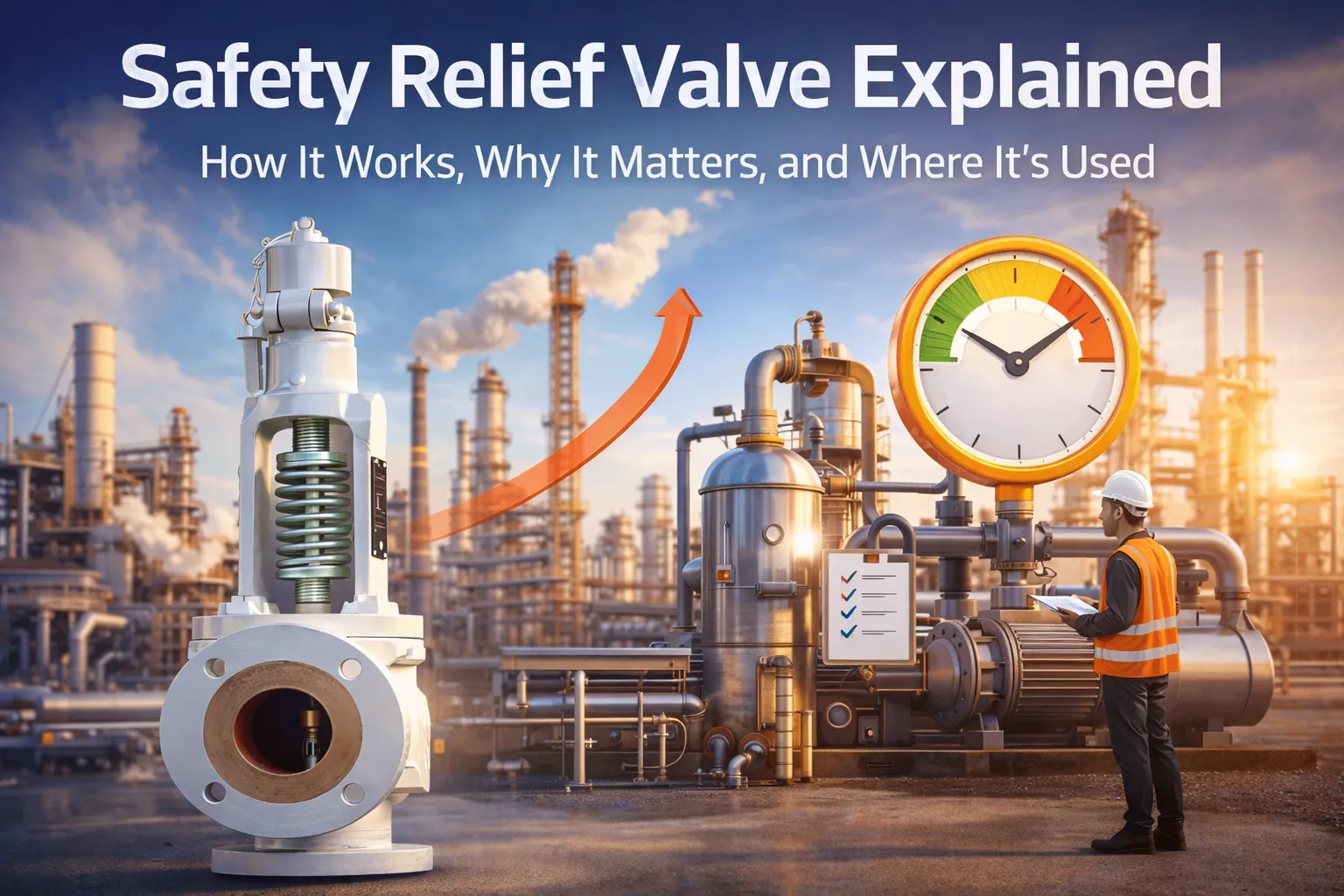

In any pressurized system, maintaining safe operating conditions is essential to prevent accidents, equipment damage, and costly downtime. A safety relief valve is one of the most critical components used to control excess pressure and ensure system integrity. Whether in industrial plants or energy facilities, this device acts as a protective barrier against unexpected pressure surges.
This comprehensive guide explains the working principle, importance, applications, and selection factors of safety relief valves in a clear and practical way.
What Is a Safety Relief Valve?
A safety relief valve is a mechanical device designed to automatically release pressure when it exceeds a predefined limit. It is commonly installed in systems that handle gases, steam, or liquids under high pressure.
The main purpose of a safety relief valve is to protect equipment such as boilers, pressure vessels, pipelines, and compressors from overpressure conditions. Unlike control valves, it operates independently and does not require manual activation.
How Does a Safety Relief Valve Work?
Understanding the working mechanism of a safety relief valve helps in appreciating its importance in critical systems.
Pressure Balance Principle
At the core of its operation is a balance between system pressure and a spring force. The valve remains closed as long as the system pressure stays within safe limits.
Step-by-Step Working Process
1. Normal Operation
During standard conditions, the valve is tightly closed. The internal spring applies force on the valve disc, preventing fluid from escaping.
2. Pressure Increase
As system pressure rises, it exerts force on the underside of the valve disc.
3. Set Pressure Reached
When pressure exceeds the preset level, it overcomes the spring force, causing the valve to lift.
4. Pressure Discharge
Excess pressure is released through the valve outlet, reducing system pressure to safe levels.
5. Reseating of Valve
Once normal pressure is restored, the spring pushes the disc back into position, closing the valve.
This automatic and rapid response makes the safety relief valve highly reliable in emergency situations.
Why Safety Relief Valves Matter
Protection Against Overpressure
Excess pressure can lead to severe damage, including ruptures or explosions. A safety relief valve prevents such risks by releasing pressure before it becomes dangerous.
Ensuring Operational Safety
Industries dealing with high-pressure systems face constant safety challenges. Installing a safety relief valve significantly reduces the likelihood of accidents.
Compliance with Industry Standards
Regulatory bodies require pressure systems to include protective devices. Safety relief valves help businesses meet safety codes and avoid penalties.
Improving System Reliability
By maintaining pressure within safe limits, these valves enhance the lifespan and performance of equipment.
Environmental Safety
Controlled pressure release prevents hazardous leaks and emissions, supporting environmentally responsible operations.
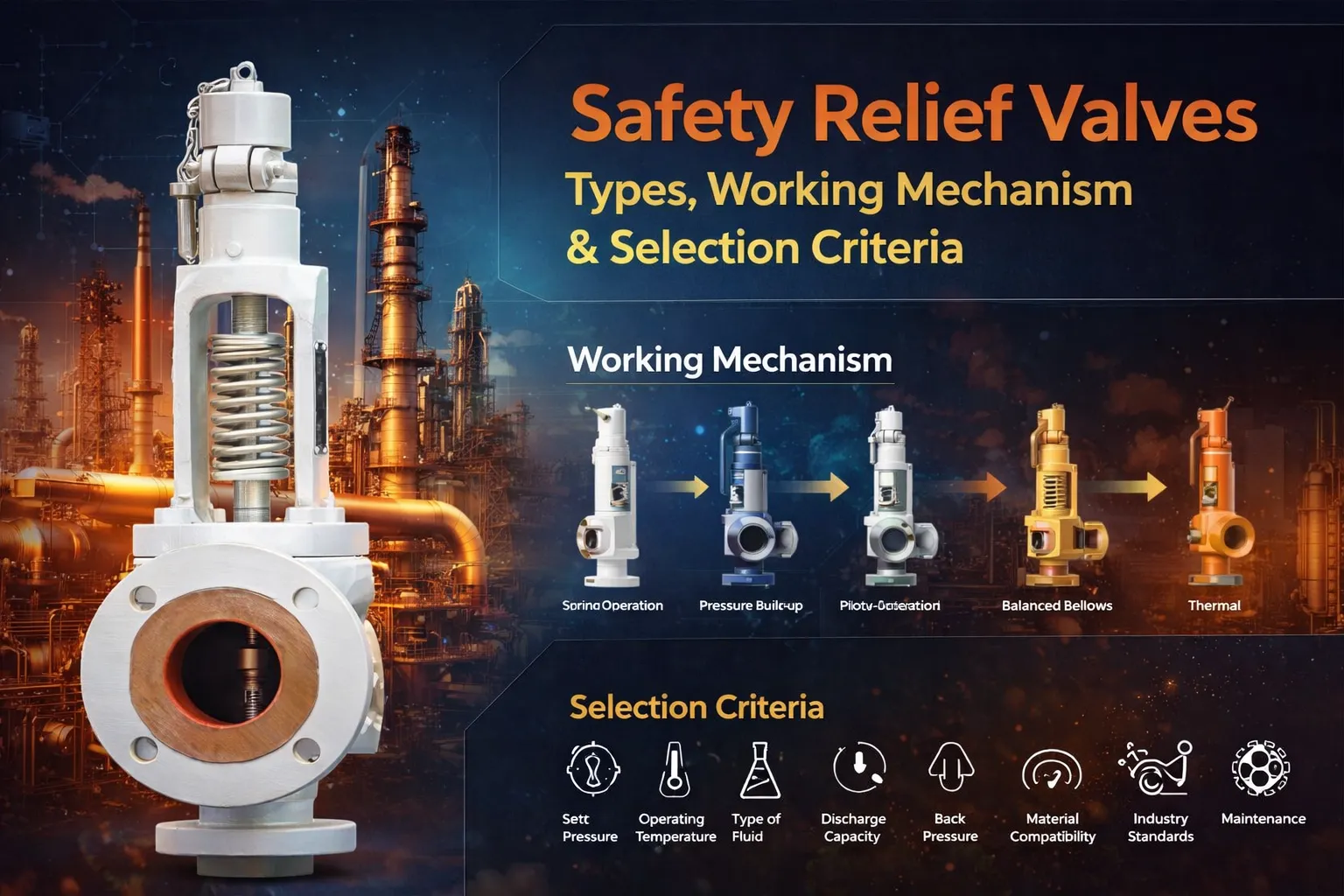
Types of Safety Relief Valves
Spring-Loaded Safety Relief Valve
This is the most common type, suitable for general industrial applications. It uses a spring mechanism to control opening and closing.
Pilot-Operated Safety Relief Valve
This type uses a pilot system for more precise control. It is ideal for high-pressure systems where accuracy is critical.
Balanced Bellows Safety Valve
Designed to function effectively even in systems with back pressure, ensuring stable performance.
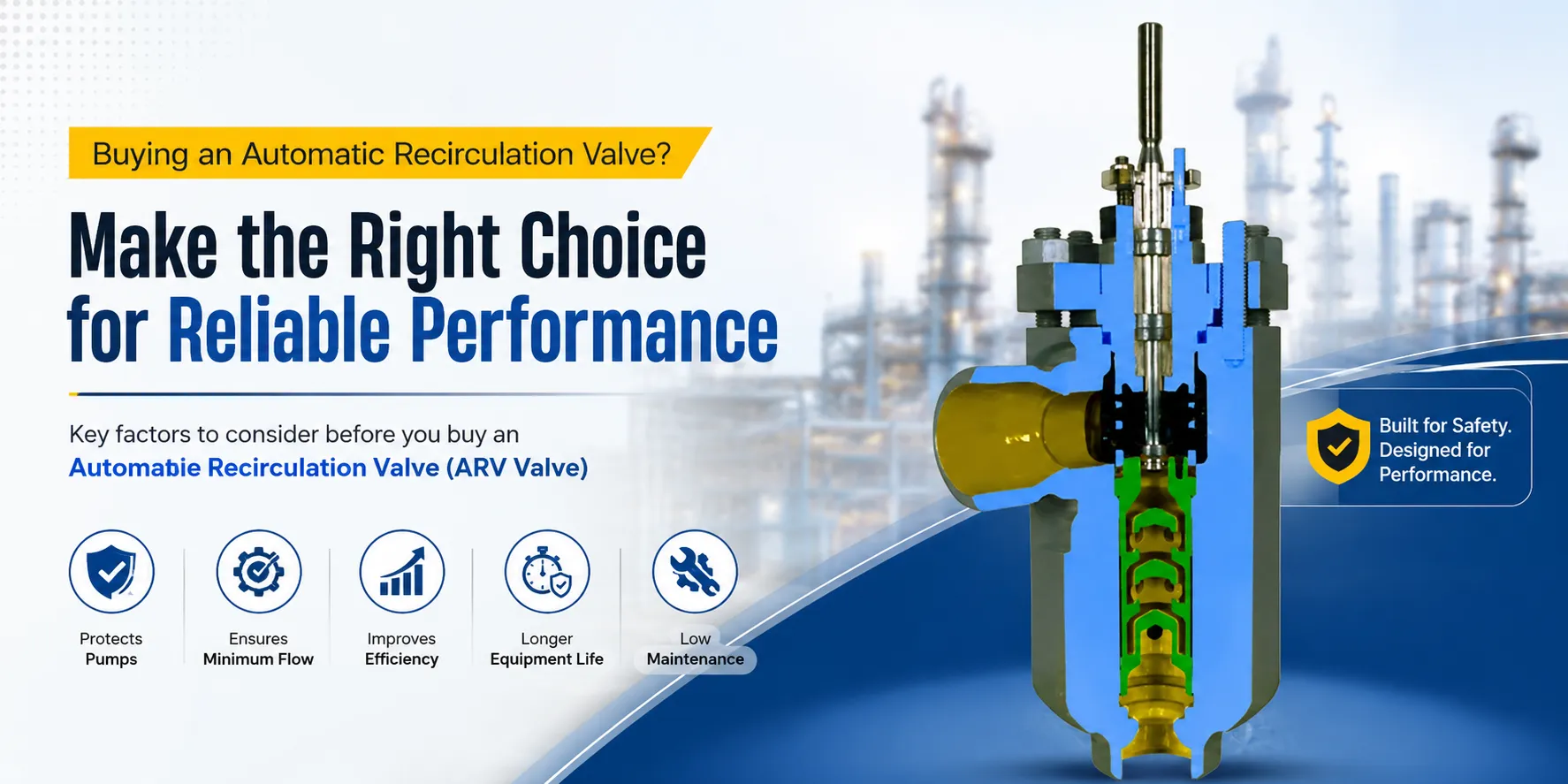
Key Components of a Safety Relief Valve
A typical safety relief valve consists of:
- Valve Body: Houses all internal components
- Disc: Controls the opening and closing
- Spring: Maintains sealing force
- Nozzle: Directs fluid flow
- Bonnet: Covers and protects internal parts
Each component plays a vital role in ensuring reliable operation.
Where Are Safety Relief Valves Used?
Safety relief valves are widely used across multiple industries due to their critical function.
Oil and Gas Industry
Used in refineries, pipelines, and storage systems to manage high-pressure hydrocarbons.
Power Generation
Installed in boilers and steam systems to prevent pressure build-up.
Chemical Processing
Essential for handling reactive and volatile substances safely.
Water Treatment Plants
Maintain pressure balance in pumping and filtration systems.
Manufacturing Sector
Used in compressors, hydraulic systems, and industrial machinery.
How to Choose the Right Safety Relief Valve
Selecting the correct safety relief valve is crucial for optimal performance.
Pressure Rating
The valve must match the maximum allowable pressure of the system.
Temperature Compatibility
Materials and design should withstand operating temperatures.
Fluid Type
The valve should be compatible with gases, liquids, or steam used in the system.
Discharge Capacity
Ensure the valve can release pressure quickly and efficiently.
Industry Standards
Choose valves that comply with relevant safety and quality certifications.
Maintenance and Best Practices
Proper maintenance ensures long-term reliability and safety.
Regular Inspection
Check for corrosion, wear, or leakage.
Periodic Testing
Verify that the valve opens at the correct set pressure.
Cleaning
Remove debris or buildup that could affect performance.
Timely Replacement
Replace worn-out components to avoid failure during critical moments.
Routine maintenance reduces unexpected breakdowns and enhances system safety.
Common Issues and Troubleshooting
Even the best safety relief valves can face operational issues if not maintained properly.
- Valve Leakage: Often caused by dirt or worn sealing surfaces
- Incorrect Set Pressure: May result from spring fatigue
- Chattering: Rapid opening and closing due to unstable pressure conditions
- Corrosion: Caused by incompatible materials or harsh environments
Addressing these issues early helps maintain efficiency and reliability.
Future Trends in Safety Relief Valve Technology
Modern industries are adopting advanced safety solutions. Innovations in safety relief valves include:
- Smart monitoring systems for real-time pressure tracking
- Improved materials for enhanced durability
- Automated diagnostics for predictive maintenance
These advancements are helping industries improve safety and operational efficiency.
Conclusion
A safety relief valve is an essential component in any pressurized system, providing critical protection against overpressure conditions. Its automatic operation, reliability, and wide range of applications make it indispensable across industries.
From safeguarding equipment to ensuring worker safety and regulatory compliance, the importance of a safety relief valve cannot be overstated. Investing in high-quality solutions and maintaining them properly is key to long-term operational success, and trusted providers like Vytal Controls play an important role in delivering dependable valve solutions for modern industries.

























Sign in to leave a comment.