In industries where precision and safety define success, pressure control is far more than a technical requirement—it is a critical operational necessity. Chemical and pharmaceutical plants operate under highly controlled conditions, where even minor pressure fluctuations can impact safety, efficiency, and product integrity. This is why Pressure Reducing Stations play a vital role in modern industrial systems.
A well-engineered prv station ensures stable pressure levels across processes, helping manufacturers maintain consistent quality while safeguarding equipment and personnel. This article explores the importance, working principles, and benefits of Pressure Reducing Stations in these highly regulated industries.
Understanding Pressure Reducing Stations
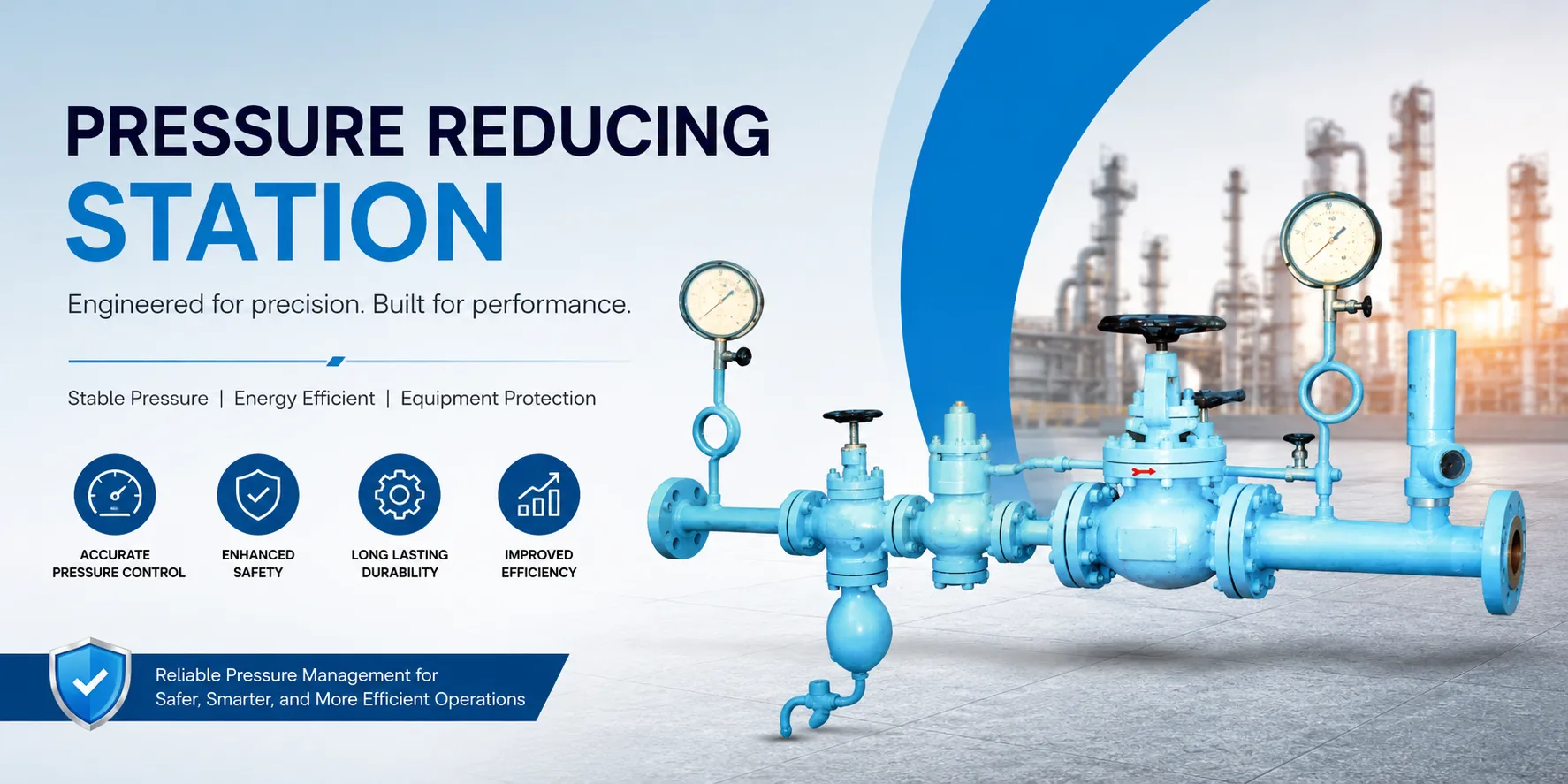
Pressure Reducing Stations are integrated systems designed to regulate and maintain downstream pressure at a desired level, regardless of variations in upstream pressure. These systems are commonly installed in steam, gas, and liquid pipelines where high pressure needs to be reduced before reaching sensitive equipment or processes.
A typical prv station includes pressure reducing valves, strainers, pressure gauges, and safety devices that work together to ensure smooth and controlled pressure flow. Their ability to respond dynamically to changes in demand makes them essential for continuous and stable operations.
Why Pressure Control is Critical in These Industries
Chemical and pharmaceutical manufacturing involves complex reactions, delicate formulations, and strict compliance standards. Pressure variations can lead to:
- Inconsistent chemical reactions
- Equipment stress or failure
- Safety risks for workers
- Contamination of products
In such environments, Pressure Reducing Stations act as a control mechanism that ensures every process runs within its defined pressure limits.
Key Benefits of Pressure Reducing Stations
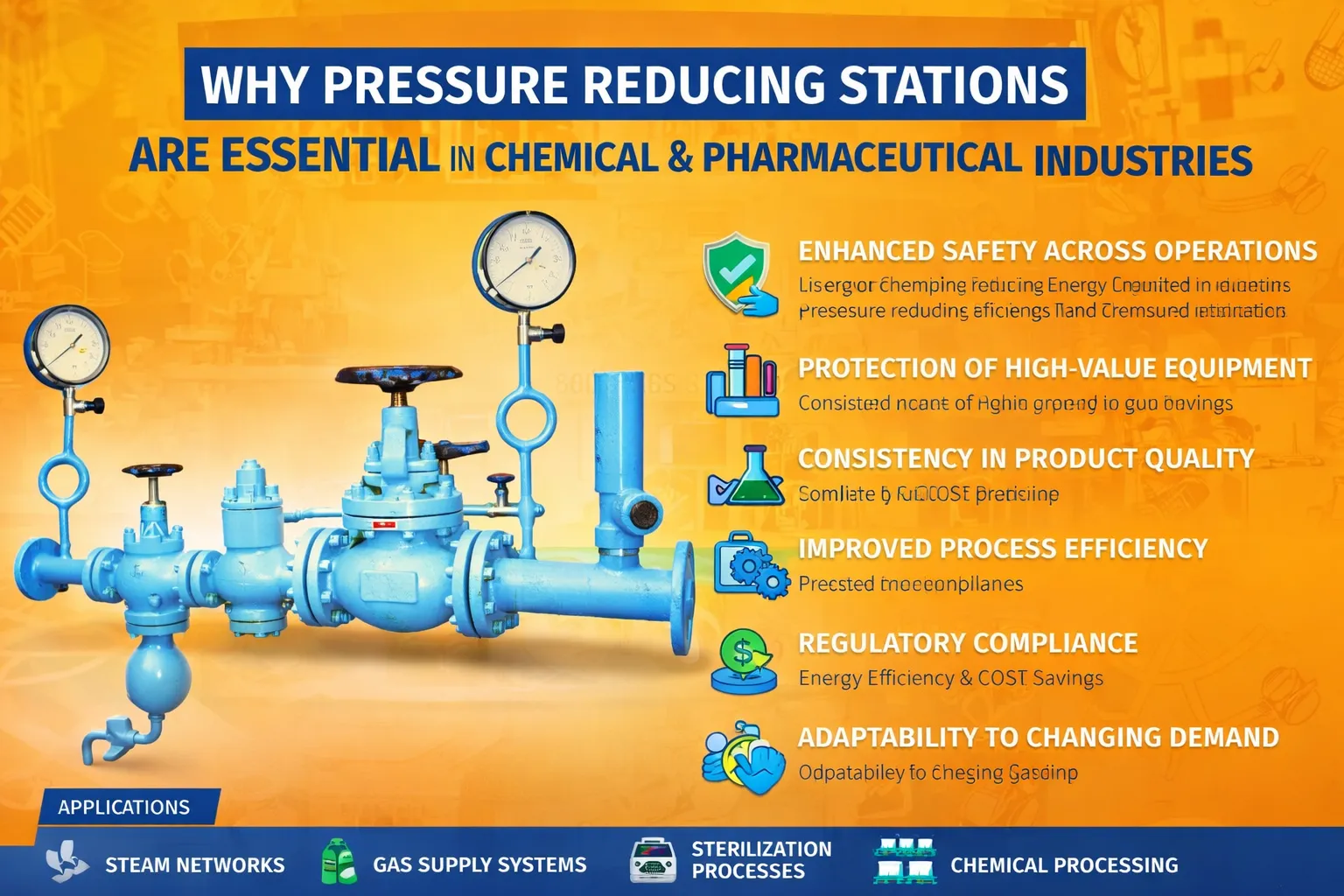
1. Enhanced Safety Across Operations
Safety is a top concern in both industries due to the presence of hazardous materials and high-pressure systems. Excessive pressure can lead to leaks, ruptures, or even explosions.
By installing a reliable prv station, facilities can:
- Prevent over-pressurization in pipelines
- Protect critical systems from sudden pressure spikes
- Reduce the risk of accidents and downtime
Pressure Reducing Stations act as a protective barrier, ensuring that pressure remains within safe operating ranges at all times.
2. Protection of High-Value Equipment
Industrial equipment such as reactors, boilers, and heat exchangers are designed to operate under specific pressure conditions. Exposure to excessive pressure can reduce their lifespan and increase maintenance costs.
Pressure Reducing Stations help:
- Maintain optimal pressure for equipment performance
- Prevent mechanical damage and fatigue
- Lower repair and replacement expenses
A properly configured prv station ensures that expensive machinery continues to operate efficiently over the long term.
3. Consistency in Product Quality
In pharmaceutical manufacturing, consistency is everything. Whether producing tablets, injectables, or chemical compounds, maintaining uniform conditions is essential for achieving reliable results.
Pressure fluctuations can disrupt:
- Reaction rates
- Mixing accuracy
- Sterilization processes
With Pressure Reducing Stations, manufacturers can maintain stable process conditions, ensuring that every batch meets strict quality standards. A dependable prv station directly contributes to product reliability and regulatory compliance.
4. Improved Process Efficiency
Unstable pressure can interrupt workflows, reduce productivity, and increase operational inefficiencies. Maintaining consistent pressure allows processes to run smoothly without unnecessary interruptions.
Pressure Reducing Stations enable:
- Continuous and stable production cycles
- Reduced system downtime
- Better control over resource utilization
By optimizing pressure levels, a prv station helps improve overall plant efficiency and throughput.
5. Regulatory Compliance and Industry Standards
Chemical and pharmaceutical industries must adhere to stringent regulations such as Good Manufacturing Practices (GMP) and various safety standards. Pressure control is a key requirement in these compliance frameworks.
Using Pressure Reducing Stations helps organizations:
- Maintain validated process conditions
- Ensure safe operating environments
- Pass inspections and audits with confidence
A properly maintained prv station supports adherence to both local and international regulatory requirements.
6. Energy Efficiency and Cost Savings
Excess pressure often results in wasted energy, especially in steam and gas systems. By controlling and optimizing pressure, industries can significantly reduce energy consumption.
Pressure Reducing Stations contribute to:
- Lower energy losses
- Improved thermal efficiency
- Reduced operational costs
An efficient prv station not only enhances performance but also supports sustainability goals by minimizing energy waste.
7. Adaptability to Changing Demand
Industrial processes rarely operate under constant load conditions. Demand for steam, gas, or fluids can vary throughout the production cycle.
A modern prv station is designed to:
- Automatically adjust to fluctuating demand
- Maintain consistent output pressure
- Prevent system imbalances
This adaptability makes Pressure Reducing Stations ideal for dynamic and high-demand industrial environments.
Applications in Chemical and Pharmaceutical Plants
Pressure Reducing Stations are widely used in various applications, including:
- Steam distribution networks
- Clean steam systems for sterilization
- Gas supply systems
- Liquid chemical processing lines
- HVAC and cleanroom environments
In each of these areas, a prv station ensures precise pressure control, which is essential for both safety and performance.
Key Components of a PRV Station
A standard Pressure Reducing Station consists of several components that work together to deliver reliable performance:
- Pressure Reducing Valve (PRV) for controlling pressure
- Strainers to remove impurities
- Pressure gauges for monitoring
- Safety valves for emergency pressure release
- Control systems for automation
Each component in the prv station plays a crucial role in maintaining system stability and efficiency.
Best Practices for Implementation
To maximize the benefits of Pressure Reducing Stations, industries should follow best practices such as:
- Proper sizing of valves and pipelines
- Regular inspection and maintenance
- Installation of high-quality components
- Monitoring system performance continuously
A well-designed and maintained prv station ensures long-term reliability and optimal performance.
Conclusion
In chemical and pharmaceutical industries, where precision and safety are non-negotiable, Pressure Reducing Stations serve as a cornerstone of efficient operations. From protecting equipment and ensuring worker safety to maintaining product quality and reducing energy costs, their importance cannot be overstated.
A robust and well-maintained prv station enables industries to operate with confidence, consistency, and compliance. As manufacturing processes continue to evolve, investing in advanced Pressure Reducing Stations will remain a key factor in achieving operational excellence and sustainable growth.


























Sign in to leave a comment.