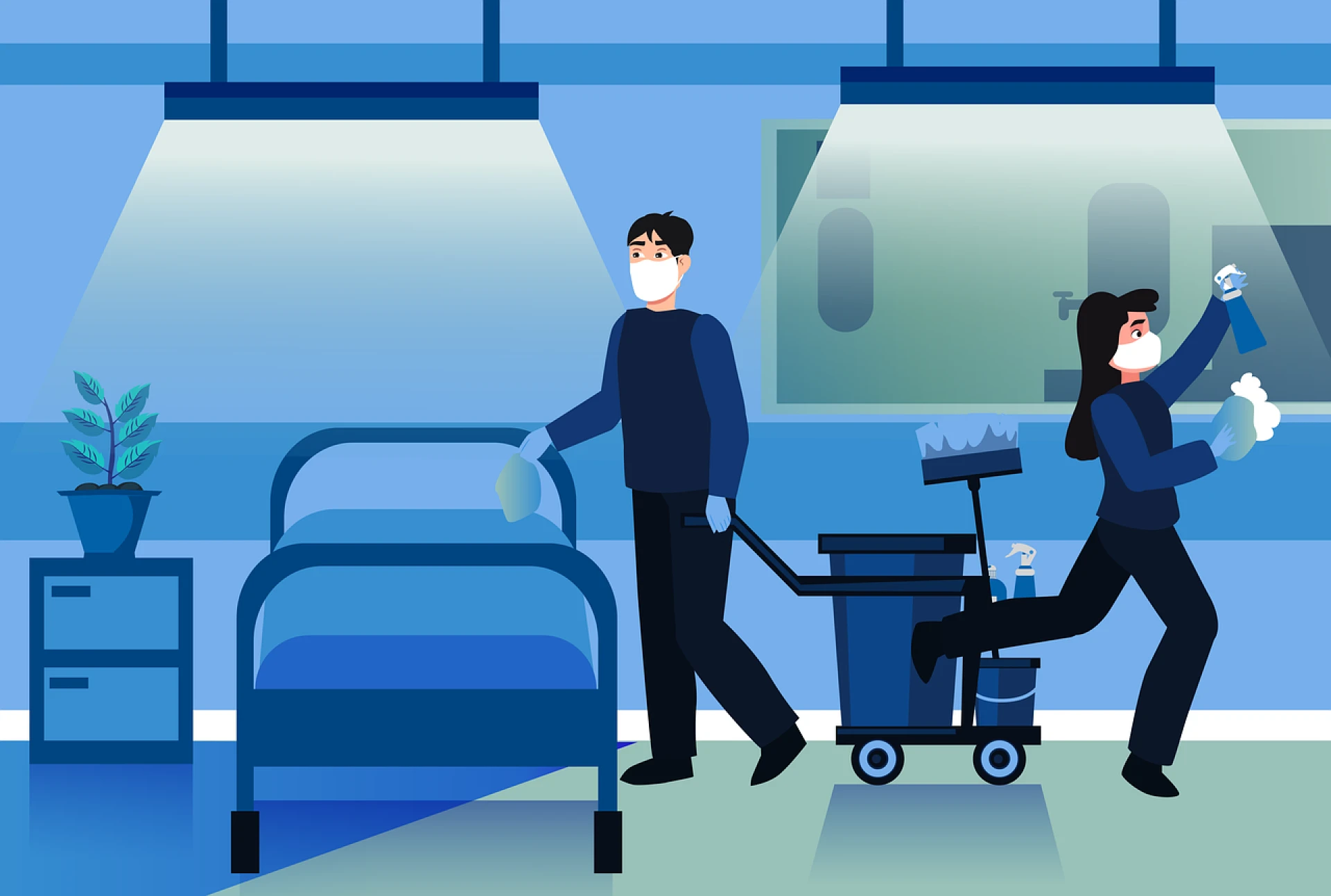

Cleaning is a universal necessity, but the process goes beyond simply removing dirt or dust. Effective cleaning is rooted in specific principles that ensure thoroughness, efficiency, and hygiene. For professionals, understanding these fundamentals is crucial, especially in environments where cleanliness directly impacts health and safety. This article delves into the five fundamentals of cleaning, explaining how they form the backbone of maintaining spotless spaces.
1. Soil Removal: The First Step to Cleanliness
Soil removal is at the heart of any cleaning process. It involves identifying and eliminating the dirt, dust, and debris present on surfaces. Soil can vary from visible particles to microscopic contaminants, and the method of removal depends on the type of soil and the surface.
- Dry Soil: Dust and loose particles are best removed using brooms, vacuum cleaners, or microfiber cloths.
- Wet Soil: Stains or spills often require water-based solutions and cleaning agents.
Professionals who earn a British Cleaning Certificate are trained to assess the soil type and determine the most effective cleaning method, ensuring that surfaces are thoroughly cleaned without damage.
2. The Right Cleaning Agents for the Job
Choosing the appropriate cleaning agent is critical to effective cleaning. Cleaning agents are designed for specific purposes, ranging from sanitizing to polishing. The key categories include:
- Detergents: Ideal for breaking down grease and dirt.
- Disinfectants: Used to kill bacteria, viruses, and other pathogens.
- Solvents: Effective for removing paint, adhesives, and stubborn stains.
- Selecting the wrong cleaning agent can damage surfaces or fail to achieve desired results. With professional training, such as courses offered through a Cleaning Certificate, cleaners learn to match agents with specific cleaning tasks.
3. Understanding Cleaning Equipment and Tools
Using the right equipment ensures that cleaning tasks are performed efficiently and safely. This includes tools such as mops, scrubbers, vacuums, and high-pressure washers. To maximize effectiveness:
- Choose tools suitable for the surface: Delicate materials may require softer brushes or cloths.
- Maintain equipment: Regular cleaning and servicing of tools ensure they remain functional and hygienic.
A trained cleaner understands how to leverage equipment to achieve optimal results, a skill honed through professional certification programs like the British Cleaning Program.
4. Timing and Scheduling: Cleaning at the Right Moment
Timing is often overlooked in cleaning but is vital for achieving effective results. Some cleaning tasks need immediate attention, while others can be scheduled periodically.
- Immediate Cleaning: Spills or hazards should be addressed promptly to prevent stains or safety issues.
- Routine Cleaning: Regular maintenance tasks ensure that areas remain consistently clean.
- Professional cleaners are taught to create schedules that balance efficiency with thoroughness, ensuring no task is overlooked.
5. Inspection and Quality Control
The final fundamental of cleaning is inspection. This step ensures that all cleaning tasks meet the required standards. Effective inspection involves:
- Visual Checks: Ensuring surfaces appear clean and free of debris.
- Touch Tests: Confirming that no residues remain.
- Hygiene Testing: In critical environments like healthcare or food service, tools like swab tests verify cleanliness.
Trained professionals with certifications like the Cleaning Certificate are equipped to perform thorough inspections, ensuring that cleaning meets or exceeds industry standards.
Why the Fundamentals Matter
These five fundamentals of cleaning form a structured approach that can be applied across various settings, from homes to commercial spaces. When combined, they create a process that guarantees both aesthetic appeal and hygiene.
For those interested in mastering these principles, pursuing professional training through programs like the British Cleaning Certificate is an excellent step toward gaining expertise and credibility in the field.
Conclusion
Cleaning is more than a routine task—it’s a skill rooted in science and strategy. By understanding the five fundamentals, individuals can transform basic cleaning into an efficient and impactful process. Whether you’re looking to enhance your knowledge or build a career, professional certification ensures you’re equipped with the expertise to succeed.



























Sign in to leave a comment.