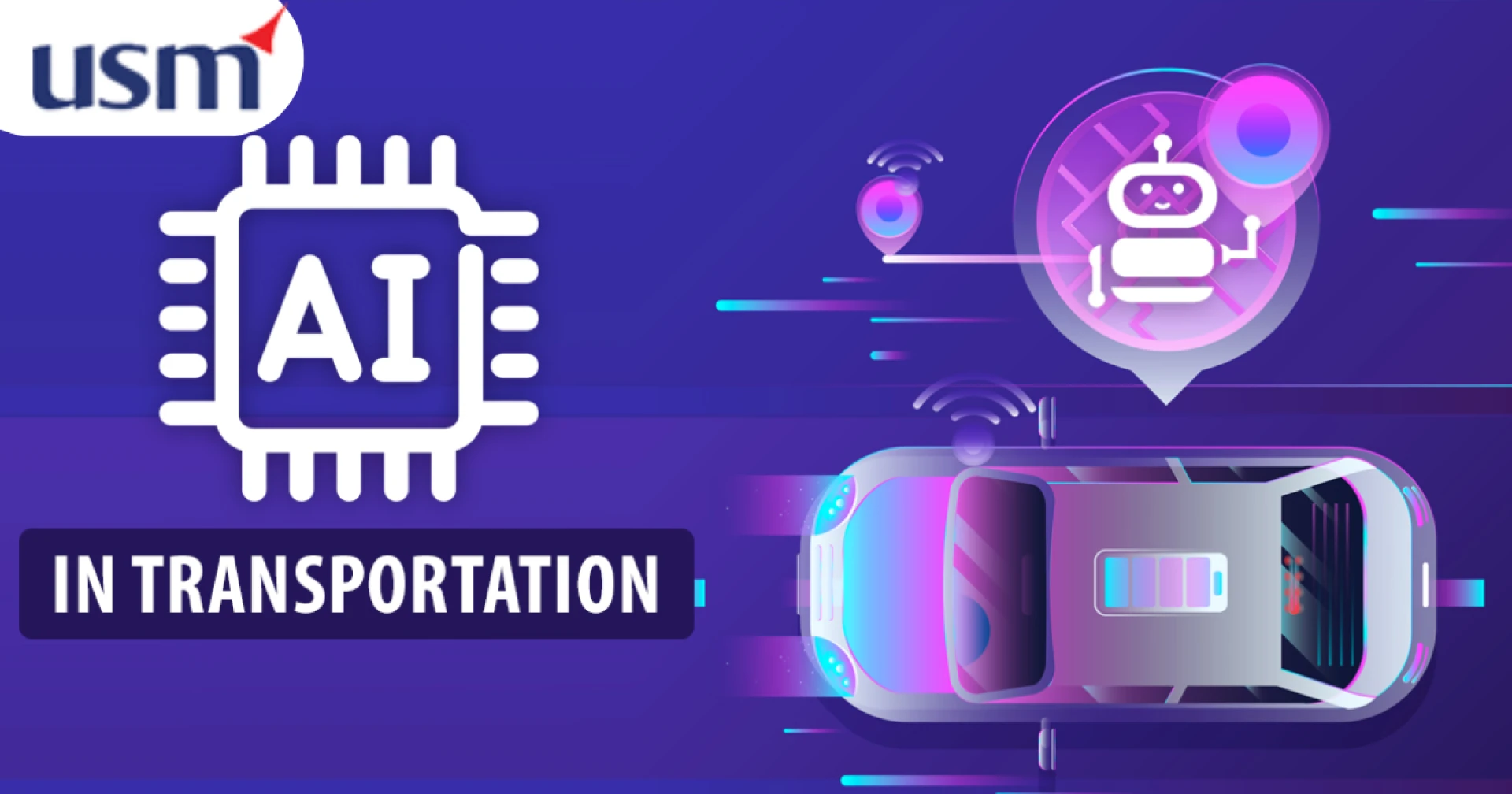

Artificial Intelligence (AI) is transforming almost every industry, and transportation is one of the sectors experiencing rapid and significant change. As global urbanization increases and the demand for faster, safer, and more efficient mobility grows, AI provides the tools to optimize how people and goods move from one place to another. From autonomous vehicles to intelligent traffic management systems, AI-driven solutions are paving the way for a more connected, sustainable, and convenient transportation ecosystem. Below are the key advantages of AI in the transportation industry, explored in detail.
1. Enhanced Road Safety
One of the greatest benefits of AI in transportation is its contribution to road safety. Most traffic accidents are caused by human mistake.. With AI-powered systems, vehicles can detect obstacles, pedestrians, and potential hazards faster than human drivers. Advanced driver-assistance systems (ADAS), powered by AI, use sensors, cameras, and algorithms to monitor surroundings and issue warnings or take corrective actions, such as automatic braking or lane-keeping. This reduces the chances of collisions and fatalities, creating safer roads for both drivers and pedestrians.
2. Autonomous Vehicles and Self-Driving Technology
AI Applications in Transportation is the backbone of autonomous vehicles. Self-driving cars, buses, and trucks use AI algorithms to analyze vast amounts of data from radar, cameras, LiDAR, and GPS. These systems help vehicles understand traffic conditions, follow routes, and make real-time decisions without human intervention. For freight and logistics, autonomous trucks can operate around the clock, reducing delivery times and cutting labor costs. In the long run, self-driving technology could minimize congestion, improve efficiency, and reshape how people perceive commuting and travel.
3. Intelligent Traffic Management
Traffic congestion is one of the main issues that cities throughout the world are dealing with. Real-time traffic data is analysed by AI-driven traffic management systems to improve signal timings, redirect cars, and ease congestion. Smart traffic signals, for instance, may adapt to traffic patterns, cutting down on intersection idle time and increasing fuel economy. Additionally, by forecasting traffic patterns, predictive algorithms assist city planners in creating more effective road networks. AI saves time by reducing traffic and pollution, which helps to maintain a sustainable environment.
4. Improved Logistics and Supply Chain Efficiency
Transportation is a vital component of the global supply chain. AI enhances logistics through improved demand forecasting, fleet operating optimisation, and route planning. Machine learning models look at factors like weather, delivery schedules, and fuel consumption to determine the best routes. Logistics firms can also anticipate delays and modify operations with the aid of predictive analytics. In sectors that significantly depend on prompt transportation, this degree of accuracy lowers expenses, speeds up deliveries, and guarantees customer pleasure.
5. Reduced Environmental Impact
Sustainability is a major global concern, and AI can play a vital role in reducing the environmental footprint of transportation. By optimizing routes, improving fuel efficiency, and promoting the use of electric vehicles, AI helps reduce carbon emissions. Smart public transportation systems encourage more people to use buses, trains, and shared mobility options, reducing reliance on private cars. AI-powered predictive maintenance also ensures vehicles run efficiently, avoiding unnecessary fuel consumption and extending their lifespan.
6. Predictive Maintenance and Reduced Downtime
Real-time sensor data analysis using AI systems allows for vehicle health monitoring.This predictive maintenance approach identifies potential mechanical issues before they lead to breakdowns. For instance, AI systems in trucks, trains, and airplanes can detect unusual vibrations, temperature changes, or engine performance anomalies. Early detection allows operators to schedule maintenance proactively, reducing downtime, improving safety, and lowering repair costs. This is particularly crucial in industries like aviation and freight, where delays can be extremely costly.
7. Enhanced Passenger Experience
AI significantly improves the experience of passengers in public and private transportation. In public transit, AI-driven apps provide real-time updates on bus and train schedules, delays, and alternative routes, allowing passengers to plan their journeys more effectively. Personalized AI-based recommendation systems suggest the best modes of travel based on preferences, traffic conditions, and cost. Within vehicles, AI enhances comfort through intelligent climate control, entertainment systems, and voice assistants, making journeys more enjoyable and stress-free.
8. Cost Efficiency for Businesses
For transportation companies, AI brings significant cost savings.AI-powered solutions can help fleet managers maximise fuel efficiency, cut down on idle time, and enhance asset utilisation. While extending operating hours, autonomous trucks and delivery robots lessen reliance on human labour.Predictive analytics also allow companies to forecast demand, preventing resource wastage. By reducing operational costs and enhancing efficiency, AI makes businesses more competitive in a fast-evolving market.
9. Integration with Smart Cities
AI in transportation aligns perfectly with the vision of smart cities. By connecting vehicles, traffic systems, and infrastructure through the Internet of Things (IoT), AI helps create seamless urban mobility solutions. For example, vehicles can communicate with traffic lights, parking systems, and even other vehicles to reduce accidents and improve efficiency. This integration fosters more organized cities, where transportation is synchronized with energy management, public safety, and environmental monitoring.
10. Better Decision-Making Through Data Insights
AI analyses enormous volumes of data to help stakeholders in the transport sector make well-informed decisions.. Whether it’s city planners designing roads, airlines managing flight schedules, or logistics companies allocating resources, AI provides actionable insights. These insights help businesses and governments address challenges proactively, predict future demands, and create long-term strategies for sustainable and efficient transportation networks.
Read Also : computer vision applications in retail





























Sign in to leave a comment.