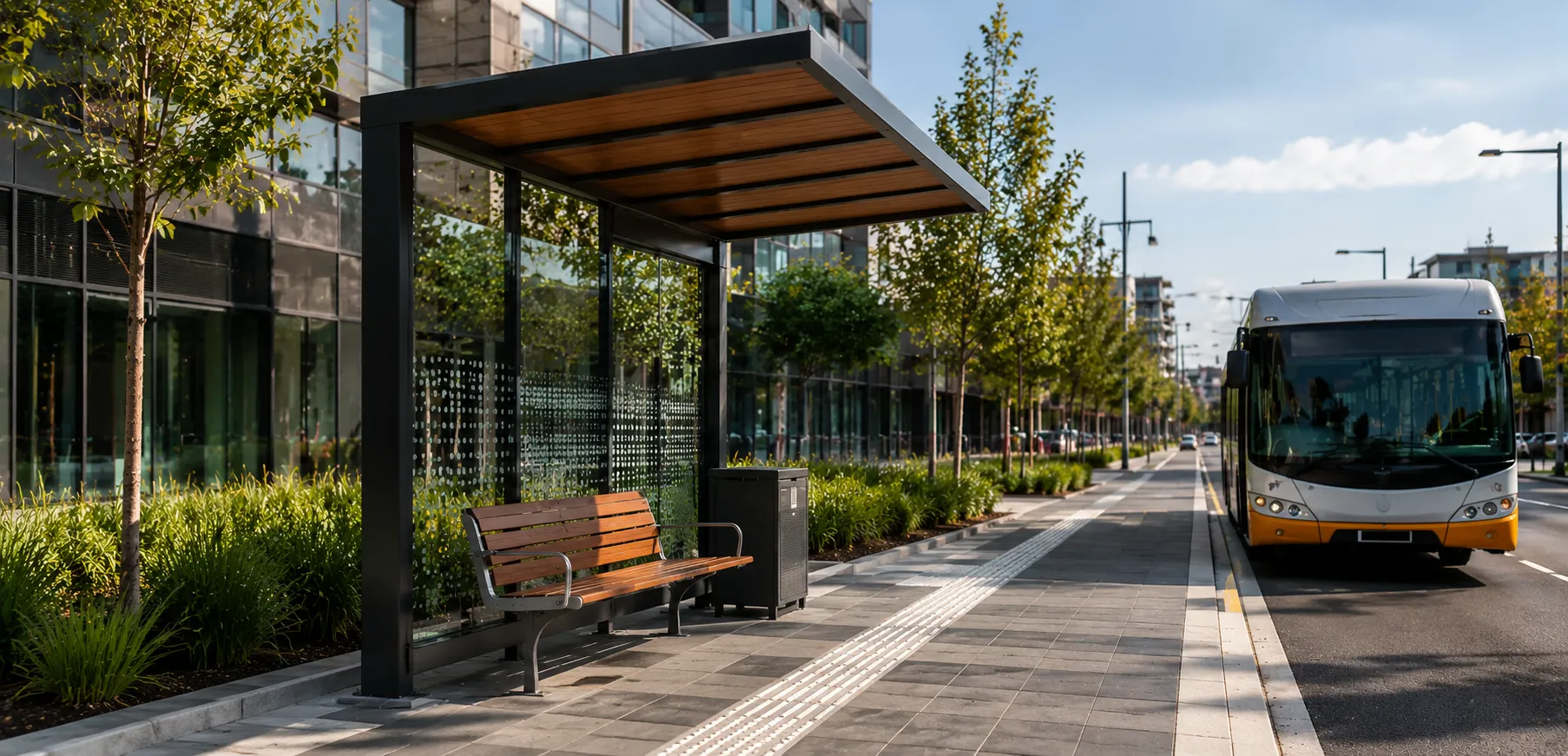

The City of Greater Dandenong is one of Melbourne's most diverse and rapidly growing municipalities. As urban infrastructure expands to serve a growing population, public transport amenities — particularly bus stops — play a critical role in ensuring safe, accessible, and efficient commuter experiences. Whether you are a council planner, a civil contractor Melbourne relies on for public works, or a developer involved in transport infrastructure, understanding the bus stop design requirements in this region is essential.
This article outlines the key bus stop design standards, guidelines, and considerations that apply within the City of Greater Dandenong, helping stakeholders plan, construct, and maintain compliant and functional bus stop facilities.
Why Bus Stop Design Standards Matter
Bus stops are more than just a place where passengers wait. They represent a critical touchpoint between pedestrians and the broader public transport network. Poor design can lead to safety hazards, accessibility barriers, and an overall reduction in public transport usage.
For any bus stop builder working within Greater Dandenong, compliance with local and state-level standards ensures:
- Passenger safety on and off the road
- Accessibility for people with disabilities, elderly passengers, and pram users
- Aesthetic integration with the surrounding streetscape
- Operational efficiency for bus services
Following the correct standards also protects civil contractors and councils from liability and ensures public infrastructure is built to last.
Governing Standards and Guidelines
Bus stop infrastructure in Greater Dandenong must comply with a combination of federal, state, and local guidelines. The primary references include:
1. Disability Discrimination Act (DDA) 1992 and DSAPT
The Disability Standards for Accessible Public Transport (DSAPT) set minimum requirements for all public transport infrastructure in Australia. Bus stops must meet these standards to ensure equal access for people with disabilities.
Key DSAPT requirements include:
- Accessible boarding and alighting zones
- Clear path of travel from the footpath to the boarding point
- Tactile ground surface indicators (TGSIs) to guide visually impaired passengers
- Kerb ramps and level access platforms where required
Any bus stop design services Melbourne providers must incorporate DDA compliance as a non-negotiable element of every project.
2. Austroads and VicRoads Guidelines
Austroads (the association of Australasian road transport and traffic agencies) and VicRoads publish technical guidelines for road-related infrastructure, including bus stops. These cover:
- Bus stop placement relative to intersections and driveways
- Sight lines and visibility for both drivers and passengers
- Road markings, signage, and kerb treatments
- Bus bay dimensions and turning radii for different bus types
3. City of Greater Dandenong Local Planning Policies
At the local level, Greater Dandenong's planning scheme and infrastructure guidelines may impose additional requirements related to streetscape design, landscaping, and integration with adjacent land uses. Civil contractors undertaking bus stop construction projects in this municipality should always consult the local council's infrastructure team for site-specific requirements.
Key Design Elements for Bus Stops in Greater Dandenong
Shelter and Seating
A well-designed bus stop should provide adequate shelter from rain, wind, and sun. In Greater Dandenong, where weather can be unpredictable, shelters are often a mandatory requirement on high-frequency routes.
Standard requirements include:
- Shelters with a minimum internal width of 1,500mm to allow wheelchair access
- Seating for at least two to four passengers, including a space for at least one wheelchair user
- Lean rails or perch rails as supplementary support options
- Vandal-resistant and weather-durable materials, such as powder-coated steel and toughened glass panels
Platform and Landing Areas
The bus stop platform is one of the most critical functional areas of any bus stop design. Requirements typically include:
- A minimum platform length of 14 metres to accommodate standard bus doors
- A clear width of at least 2.5 metres on the platform to allow passenger movement
- A firm, even, and slip-resistant surface finish
- Level access between the bus floor and the boarding platform, especially on upgraded "Superstop" or premium routes
Tactile Ground Surface Indicators (TGSIs)
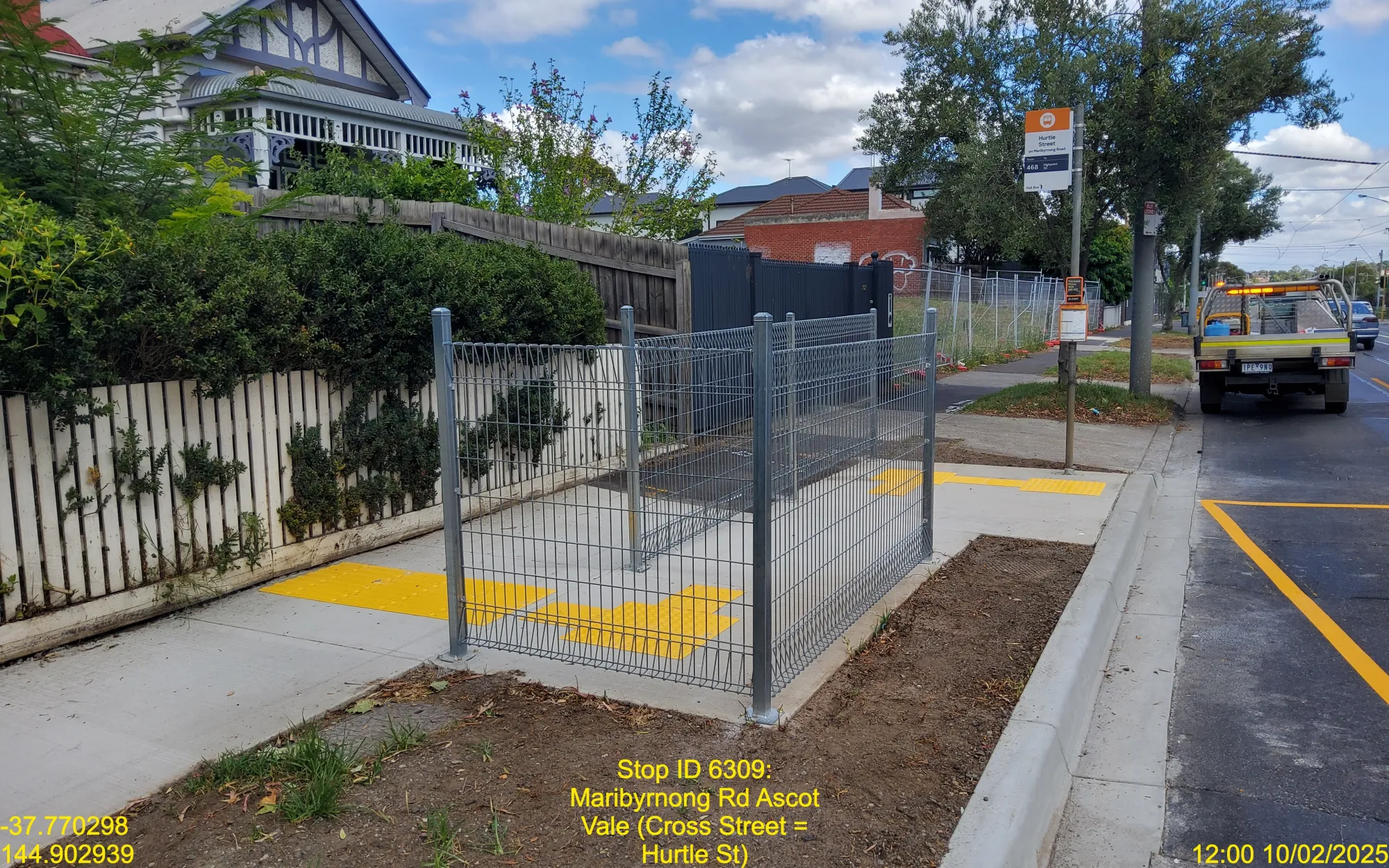
Under DDA and DSAPT requirements, TGSIs must be installed to assist passengers with vision impairments. These include:
- Warning TGSIs (raised dome-shaped indicators) placed at the edge of the platform
- Directional TGSIs (raised bar indicators) guiding passengers along the path of travel
- TGSIs must contrast visually with surrounding surfaces and meet Australian Standard AS 1742.15
Kerb and Road Interface
The kerb treatment at a bus stop directly affects the ease with which buses can align close to the platform, enabling smooth boarding. Requirements include:
- Kerb height of 150mm to 160mm at the boarding zone to facilitate level or near-level boarding
- Kerb build-outs (bus boarders) may be required at certain locations to bring the kerb line flush with the traffic lane
- Appropriate kerb ramp transitions at each end of the boarding platform connecting to the footpath
Signage and Lighting
Clear, well-placed signage is vital for both passengers and drivers. Standard requirements for bus stop construction projects include:
- PTV-compliant bus stop signs at the appropriate height and position
- Real-time passenger information displays on major routes
- Adequate lighting (minimum 20 lux at platform level) to ensure visibility during evening hours
- Clear route maps and timetable holders that are protected from weather damage
Pedestrian Access Routes
A bus stop does not exist in isolation — it must connect seamlessly to the surrounding pedestrian network. Bus stop design services Melbourne professionals must consider:
- An uninterrupted accessible route connecting the nearest intersection or pedestrian crossing to the boarding zone.
- Minimum 1,500mm clear width for all pathways
- Crossing facilities such as pedestrian signals or zebra crossings where required
- Removal of obstructions such as street furniture, utility boxes, and vegetation that may block access
Environmental and Landscaping Considerations
Greater Dandenong's planning policies encourage greener streetscapes. Where space permits, bus stop design should include:
- Tree planting for shade and visual amenity
- Permeable paving in non-structural zones to support stormwater management
- Bicycle parking facilities near bus stops to encourage multimodal travel
Working with a Civil Contractor in Melbourne
For councils, developers, and transport agencies seeking to deliver compliant bus stop infrastructure, partnering with an experienced civil contractor Melbourne trusts is key. A specialist contractor with expertise in bus stop construction will:
- Conduct thorough site assessments prior to design
- Coordinate with VicRoads, PTV (Public Transport Victoria), and local council
- Manage permits, traffic management plans, and utility service adjustments
- Deliver construction works with minimal disruption to road users and local businesses
- Ensure all works are signed off against relevant Australian Standards and accessibility legislation
Choosing a contractor who also provides end-to-end bus stop design services Melbourne — from concept and detailed design through to construction and defect liability — ensures accountability and consistency across the entire project lifecycle.
Conclusion
Bus stop design in the City of Greater Dandenong must meet a detailed set of requirements drawn from federal accessibility legislation, state road authority guidelines, and local planning policies. From platform dimensions and TGSI placement to shelter design and lighting, every element serves a purpose in delivering safe, accessible, and functional public transport infrastructure.
Whether you are a council officer managing capital works, a developer seeking planning approval, or a bus stop builder delivering a construction contract, understanding these requirements is the foundation of every successful project. Engaging qualified bus stop design services Melbourne professionals and working with experienced civil contractors from the early stages helps keep your project on schedule, within budget, and compliant with all required standards.
For expert guidance on bus stop construction and civil infrastructure works across Greater Dandenong and the broader Melbourne metropolitan area, consult a reputable civil contractor Melbourne with a proven track record in public transport and road infrastructure projects.
























Sign in to leave a comment.